What Maintenance Is Required to Keep Your Trane, Rheem, or Carrier Warranty Valid?
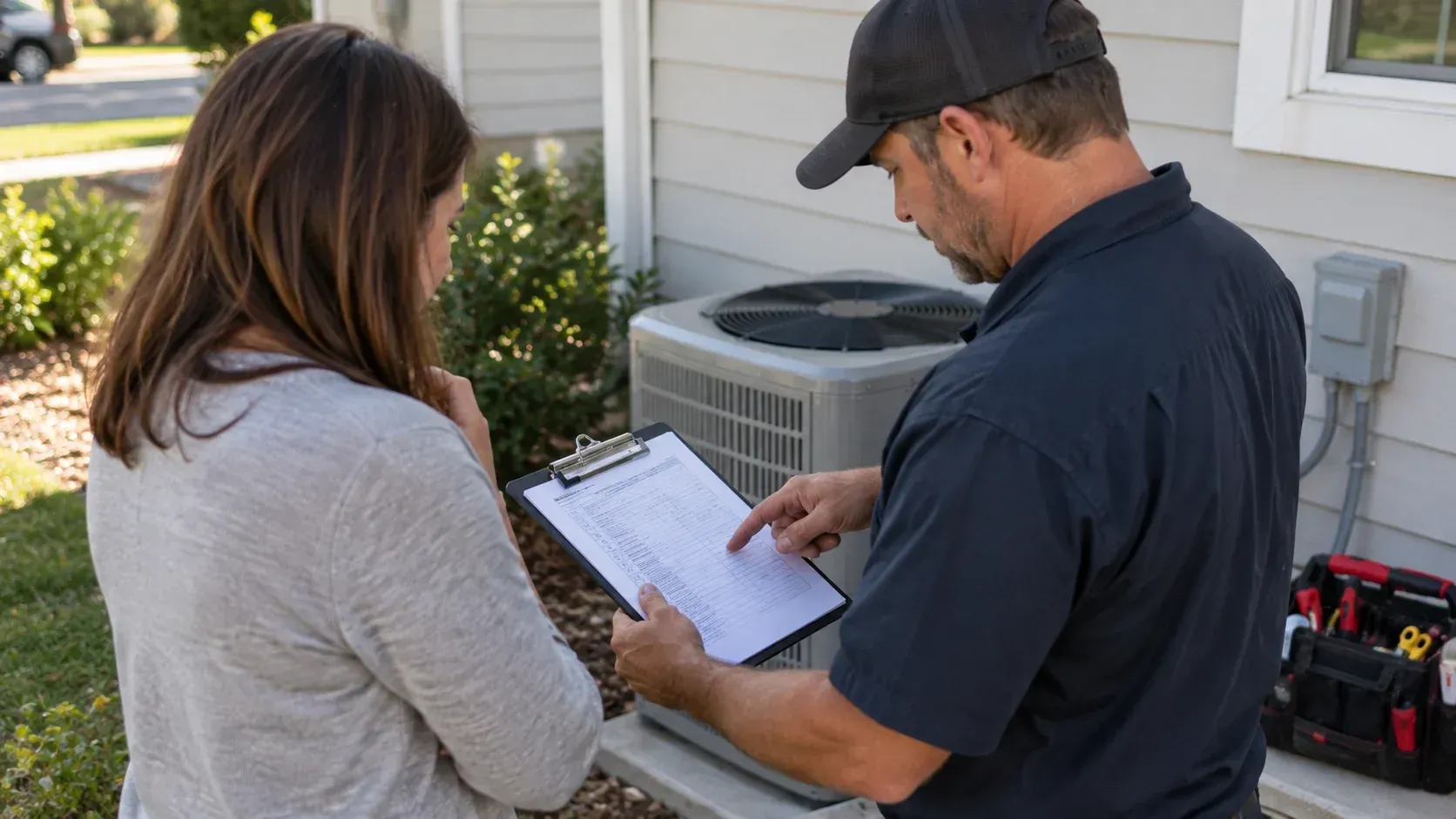
Table of Contents
- Introduction
- The Warranty Maintenance Requirement Basics
- Annual Professional Tune-Up Essentials
- Documentation and Record-Keeping
- Trane, Rheem, and Carrier Specific Requirements
- Consequences of Skipping Required Maintenance
- Decision Framework: Planning Your Service Schedule
- Conclusion
- Next Steps
- Frequently Asked Questions
Key Takeaways
- Most manufacturers require annual professional maintenance to maintain warranty coverage, typically a spring or fall tune-up
- Manufacturers mandate professional service because they need documentation and verification that maintenance was performed correctly
- Skipping required maintenance voids warranty protection on major components like compressors, which can cost $2,000-$4,000+ to replace
- Annual maintenance documentation must be kept in organized records the manufacturer can verify if you file a claim
- Maintenance schedules should align with seasonal demand to improve system efficiency when you need cooling or heating most
- Different manufacturers may have specific requirements, so reviewing your warranty documentation prevents costly mistakes
Introduction
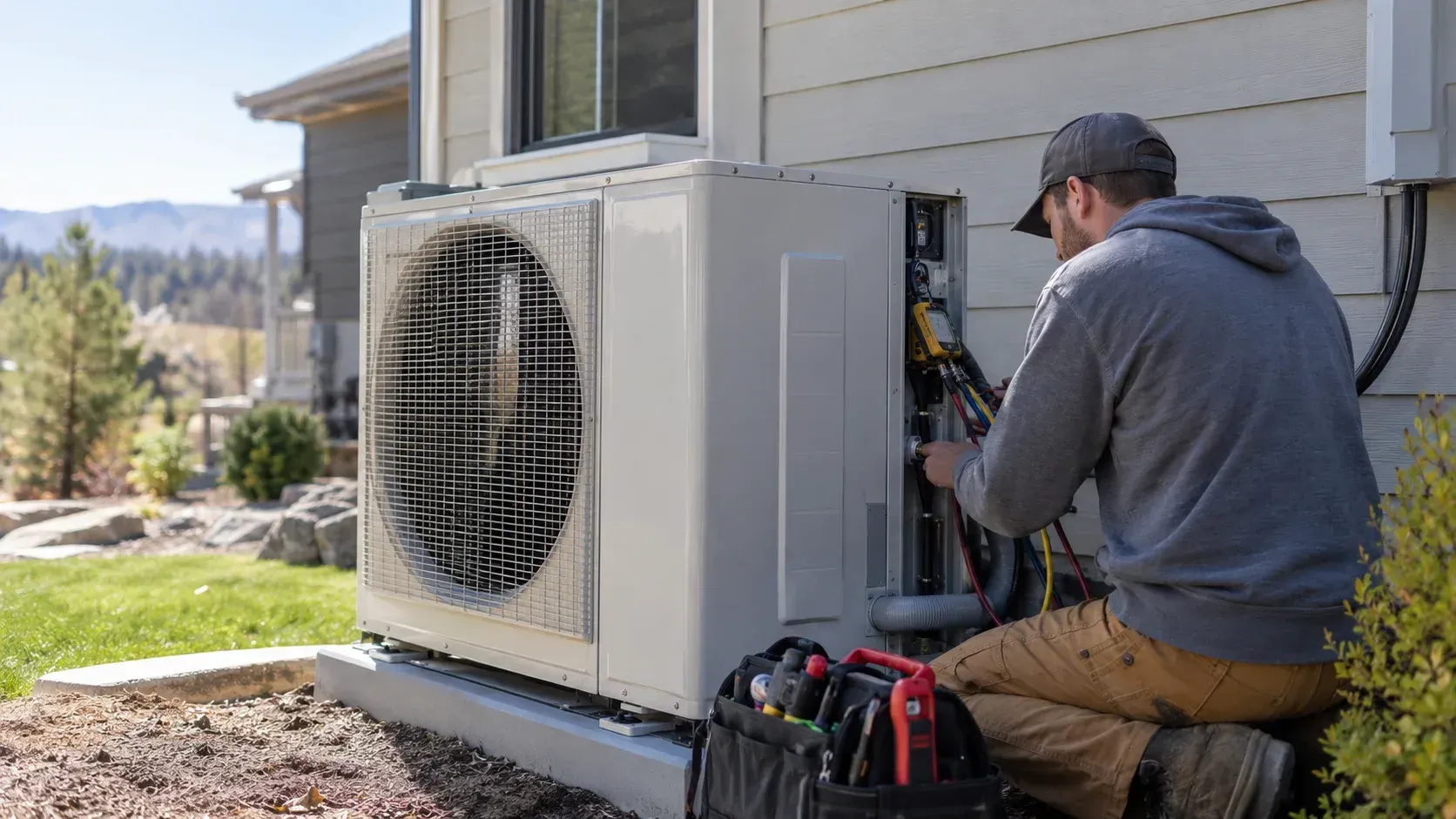
Most Trane, Rheem, and Carrier system warranties require annual professional maintenance to remain valid, typically a spring or fall tune-up performed by a certified technician. This maintenance must be documented and performed to manufacturer specifications to protect your warranty coverage on major components. Understanding exactly what your warranty demands prevents you from accidentally voiding coverage on expensive parts.
Warranty maintenance requirements exist because manufacturers need verification that systems are properly maintained. Without professional oversight, components fail prematurely, creating disputes about whether manufacturer defects or homeowner neglect caused the problem. Annual maintenance documentation proves you held up your end of the warranty agreement, protecting you if something fails.
For homeowners in Blount County with Trane, Rheem, or Carrier systems, staying compliant with warranty requirements is straightforward once you understand the specifics. This guide explains what manufacturers actually require and how to stay in compliance year after year.
The Warranty Maintenance Requirement Basics
Warranties on HVAC systems are conditional. They provide coverage only if you meet specific terms and conditions, and maintenance is almost always a requirement.
Why Manufacturers Require Maintenance
Manufacturers include maintenance requirements because regular service prevents premature failure caused by neglect. A well-maintained system lasting 20 years is different from a neglected system failing at 10 years. By requiring maintenance, manufacturers protect themselves from claims on systems that failed due to customer neglect rather than manufacturer defects.
They also use maintenance requirements to create a relationship between you and a professional technician who can identify problems early. A technician who services your system annually catches refrigerant leaks, worn components, and airflow restrictions before they cause complete system failure. This early intervention protects both the manufacturer's reputation and your investment.
What "Valid Warranty" Means
A valid warranty means the manufacturer will cover repair or replacement of defective parts at no cost to you during the warranty period - typically 5-12 years depending on the component and manufacturer. An invalid or voided warranty means you pay full price for any repairs needed, regardless of whether the failure is the manufacturer's fault or yours.
Major components like compressors carry the longest warranty protection because they're the most expensive to replace. A compressor replacement costs $2,000-$4,000+ installed. If your warranty is void, that's your expense. If warranty is valid, the manufacturer covers it (excluding labor in some cases). This is why warranty maintenance matters financially.
Maintenance Frequency Requirements
Most manufacturers require at least one professional maintenance visit per year. Some systems specify spring maintenance, others fall maintenance, and some allow either. A few manufacturers recommend two visits annually - one before cooling season and one before heating season. Review your specific warranty documentation to know what your manufacturer requires.
Many homeowners confuse "recommended" maintenance with "required" maintenance. Manufacturers strongly recommend two maintenance visits annually for optimal performance, but warranties typically require only one. However, some warranties do require twice-yearly service, so verification is essential.
Annual Professional Tune-Up Essentials
Professional annual maintenance involves specific steps that technicians follow to ensure your system receives comprehensive service.
What a Professional Tune-Up Includes
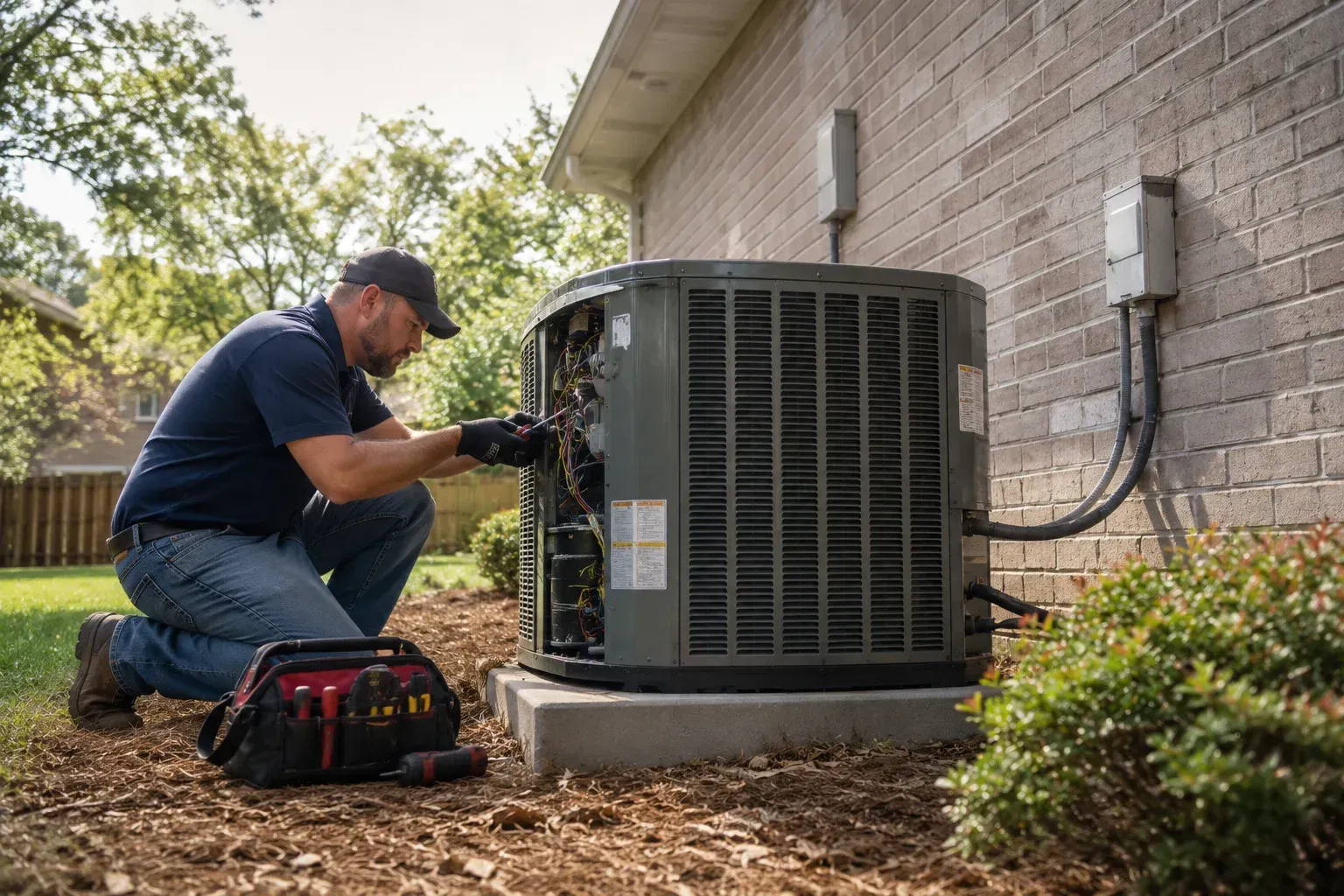
A complete HVAC maintenance visit typically includes:
- System startup and operational verification
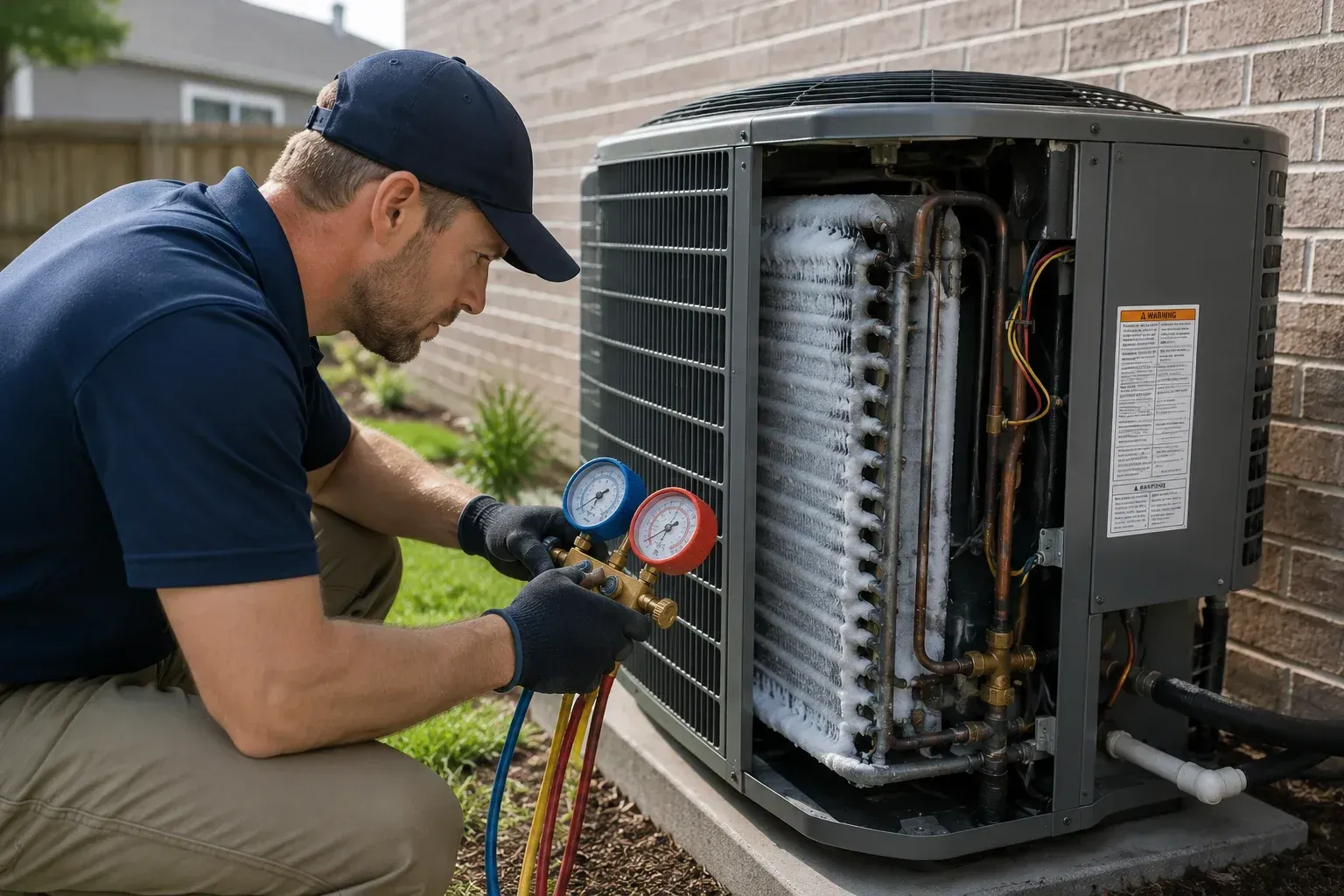
- Refrigerant pressure and temperature checks
- Electrical connection inspection and tightening
- Compressor amperage verification
- Condenser and evaporator coil cleaning
- Air filter replacement
- Thermostat calibration
- Airflow measurement and ductwork inspection
- Drain line flushing and clearing
- Documentation of all work performed
Not all of these steps occur during every visit, but a comprehensive tune-up covers most major inspection points. The exact scope depends on your system type and whether you're getting pre-cooling or pre-heating service.
Why Technician Qualifications Matter
The technician performing your maintenance must be certified and qualified. Many warranties specify that maintenance must be performed by technicians certified by the manufacturer or by licensed HVAC contractors. When you work with certified HVAC technicians, you're ensuring warranty compliance and professional service standards are met. Work performed by uncertified individuals or handymen does not count toward warranty compliance, even if they perform the same tasks.
This is where documentation becomes critical. When your contractor completes maintenance, they should note their certification and licensing on the service documentation. This proves to the manufacturer that the work met their standards.
Documentation Requirements
After your maintenance visit, your contractor should provide a detailed service report documenting:
- Date of service
- Work performed with specific details
- Parts replaced or inspected
- Refrigerant levels and pressures
- Technician name and certification
- Company name and contact information
- Contractor's license number
Keep this documentation organized and accessible. If you need to file a warranty claim years later, manufacturers request this service history. Having records readily available proves you maintained your system properly.
Documentation and Record-Keeping
Warranty claims often fail not because maintenance wasn't performed, but because homeowners can't prove it was performed correctly.
Organizing Your Service Records
Create a folder - physical or digital - dedicated to your HVAC system. Keep:
- Original warranty documentation from purchase
- All service reports and maintenance records
- Receipts for any repairs or part replacements
- System manuals and manufacturer documentation
- Installation documents from when the system was put in
When you file a warranty claim, manufacturers request this documentation. Having everything organized in one place makes the process smoother and reduces disputes about whether maintenance was actually performed.
Manufacturer-Specific Documentation Needs
Different manufacturers have different documentation expectations. Some require:
- Specific maintenance forms filled out during service
- Proof of registration of the warranty
- Serial number verification
- Installation and startup documentation
Review your warranty booklet to understand what your specific manufacturer requires. Some manufacturers have online portals where you can register your system and upload service records. Using their system ensures documentation is in the format they accept.
Digital vs. Physical Records
Digital records are convenient and searchable, but physical copies provide backup if your digital files are lost. Consider keeping both - scan service reports into a digital folder and maintain originals in a physical folder. This redundancy protects against loss of critical warranty documentation.
Trane, Rheem, and Carrier Specific Requirements
While these manufacturers follow similar warranty structures, specific requirements vary.
Trane Warranty Requirements
Trane typically requires professional maintenance to keep compressor warranties valid. They specify that service must be performed by Trane-certified technicians or licensed contractors. Trane warrants compressors for 10 years on equipment purchased as a system, but this requires annual professional maintenance. They provide documentation forms that contractors should use during service.
Trane's warranty registration can be completed online through their website, and they maintain your service history if you have maintenance performed through their network.
Rheem Warranty Requirements
Rheem generally requires annual professional maintenance to maintain extended coverage on compressors. They typically allow service through any licensed HVAC contractor, not just Rheem-authorized dealers. However, contractors must document work using Rheem's standards.
Rheem offers an online warranty registration system and allows service documentation to be uploaded. Keeping your records current in their system provides verification if you need to file a claim.
Carrier Warranty Requirements
Carrier's warranty typically requires professional maintenance by Carrier-certified technicians or licensed contractors for compressor coverage. Carrier often partners with local dealers who provide authorized service and proper documentation.
Carrier has specific maintenance requirements for different system types, so reviewing your specific system's warranty manual is essential. Their website allows registration and online management of warranty documentation.
Checking Your Specific Warranty
Rather than relying on general manufacturer information, open your actual warranty documentation and read the maintenance requirements section. Each model may have slightly different requirements, and your system's age might affect which warranty terms apply. When in doubt, contact the manufacturer's warranty department directly and ask for clarification.
Consequences of Skipping Required Maintenance
Understanding what happens when you don't maintain your system helps explain why warranty requirements exist.
Compressor Failure Without Warranty Protection
The most expensive scenario is a compressor failure. Without warranty maintenance, a compressor failure costs $2,000-$4,000+ for replacement and installation. With valid warranty, the manufacturer covers the part - you pay only labor costs if applicable. Understanding compressor replacement costs helps explain why warranty maintenance is financially critical. The financial difference between warranty coverage and out-of-pocket replacement is substantial.
Compressor failures often occur suddenly with no warning. You wake up to find your AC or heating not working, and the diagnosis reveals compressor failure. If your warranty is void due to missed maintenance, you face the full replacement cost.
Cascading Component Failure
When one component fails because maintenance was skipped, other components sometimes fail as a result. A refrigerant leak that goes undetected damages the compressor. A dirty coil that restricts airflow causes the evaporator coil to freeze, which damages the compressor. What started as a maintenance gap becomes multiple expensive failures.
System Performance Degradation
Beyond warranty considerations, skipped maintenance degrades system performance. Your cooling or heating becomes less effective, your energy bills increase, and your comfort suffers. A maintained system runs efficiently; a neglected system works harder and costs more to operate.
Reduced System Lifespan
Systems that receive regular maintenance typically last 15-20 years. Systems that skip maintenance often fail by year 12-15. The difference in lifespan directly reflects the impact of maintenance on system longevity.
Decision Framework: Planning Your Service Schedule
Use this framework to determine the best maintenance schedule for your situation.
Step 1: Determine Your Warranty Requirements
Locate your warranty documentation and read the maintenance requirement section carefully. Answer:
- How many professional maintenance visits are required annually?
- Must maintenance be performed by specific certified technicians?
- What documentation is required?
- What is the warranty period for major components?
Step 2: Choose Your Primary Maintenance Season
In Blount County, identify whether you depend more on cooling or heating:
- If cooling is primary: Schedule spring maintenance (March-April)
- If heating is primary: Schedule fall maintenance (October-November)
- If both are significant: Plan both spring and fall maintenance visits
Step 3: Select a Qualified Contractor
Verify that your contractor:
- Holds appropriate licenses for Alabama
- Carries HVAC liability insurance
- Understands your manufacturer's warranty requirements
- Uses or can obtain manufacturer-approved documentation forms
- Can provide detailed service reports after each visit
Step 4: Schedule Annually at the Same Time
Set a recurring annual appointment rather than scheduling ad-hoc. Many contractors offer maintenance agreements where they contact you to schedule annual service. This approach prevents accidentally missing required maintenance.
Step 5: Maintain Organized Documentation
Create a file for your system and request detailed service reports after each maintenance visit. Store these reports organized by year. This documentation protects you if you need to file a warranty claim.
Evaluation Table: Maintenance Planning Scenarios
| Situation | Cooling Demand | Heating Demand | Maintenance Schedule | Documentation Need |
|---|---|---|---|---|
| Single-story home, good insulation | High (6 months) | Low (2 months) | Spring visit | Comprehensive spring report |
| Older home, moderate climate | Moderate (5 months) | Moderate (4 months) | Spring & Fall | Two annual detailed reports |
| Business owner, high usage | Constant | Constant | Spring & Fall minimum | All manufacturer-approved forms |
| New system, strict warranty | Variable | Variable | Per warranty terms | Perfect compliance documentation |
Conclusion
Your HVAC warranty protection depends on performing and documenting the maintenance your manufacturer requires. For Trane, Rheem, and Carrier systems, this typically means at least one annual professional maintenance visit by a certified technician, with detailed documentation kept for warranty verification.
The cost of annual maintenance - typically $150-$300 per visit - is minimal compared to the cost of a major component failure without warranty protection. Skipping maintenance to save a few hundred dollars annually risks losing thousands in potential warranty coverage.
Understanding your specific warranty requirements, selecting a qualified contractor, and maintaining organized records keeps your coverage valid and your system operating efficiently. When something eventually fails, having valid warranty protection makes a significant financial difference.
Next Steps
If you're uncertain about your system's specific warranty requirements, a conversation with your HVAC contractor clarifies what you need to do. They can review your warranty documentation, explain your manufacturer's exact requirements, and establish a maintenance schedule that keeps your coverage valid.
An annual maintenance agreement with a qualified contractor removes the guesswork. You're contacted annually to schedule service, detailed documentation is provided after each visit, and your warranty protection is maintained automatically. This approach protects your investment and ensures your system operates at peak efficiency year after year.
Need help determining your warranty maintenance requirements or establishing a maintenance schedule? Contact us to discuss your Trane, Rheem, or Carrier system and get a personalized maintenance plan that keeps your warranty valid and your system running smoothly.
Frequently Asked Questions
What happens if I miss one year of required maintenance?
A: Most manufacturers void warranty coverage if required maintenance is missed. When you file a claim for a failure, the manufacturer discovers you skipped maintenance and denies the warranty claim. Warranty voidance is typically effective retroactively - you lose coverage for that entire year. It's not a grace period - missing maintenance creates risk immediately.
Can I switch contractors and still keep my warranty valid?
Yes, you can use different contractors for maintenance as long as each contractor is licensed and certified. However, all service documentation must meet your manufacturer's standards. When switching contractors, confirm with your new contractor that they understand your warranty requirements and provide proper documentation. What matters is that documentation is complete and meets manufacturer standards, not which contractor performed the work.
Do I need to purchase an extended warranty to keep my system covered?
No, manufacturer warranties automatically provide coverage for specified periods - typically 5-12 years depending on the component. You don't need to purchase extended warranties for coverage to be valid. However, some third-party extended warranty plans are available if you want coverage beyond the manufacturer's standard warranty period.
Can I use a generic service plan instead of meeting specific warranty requirements?
Only if the service plan explicitly satisfies your manufacturer's warranty requirements. Some generic service plans provide maintenance but may not meet your warranty's documentation or certification standards. Before purchasing any service plan, verify that it satisfies your manufacturer's specific maintenance requirements. Do not assume a maintenance plan is compatible with your warranty.
What documentation should I keep permanently?
Keep original warranty documentation, installation paperwork, and all service reports indefinitely. Service records should be retained for at least seven years. If you sell your home, provide the new owner with all warranty documentation and service records - this increases the home's value and ensures warranty coverage transfers properly.
Related Posts