How Ductless Mini Split Systems Can Transform Your Home’s Comfort
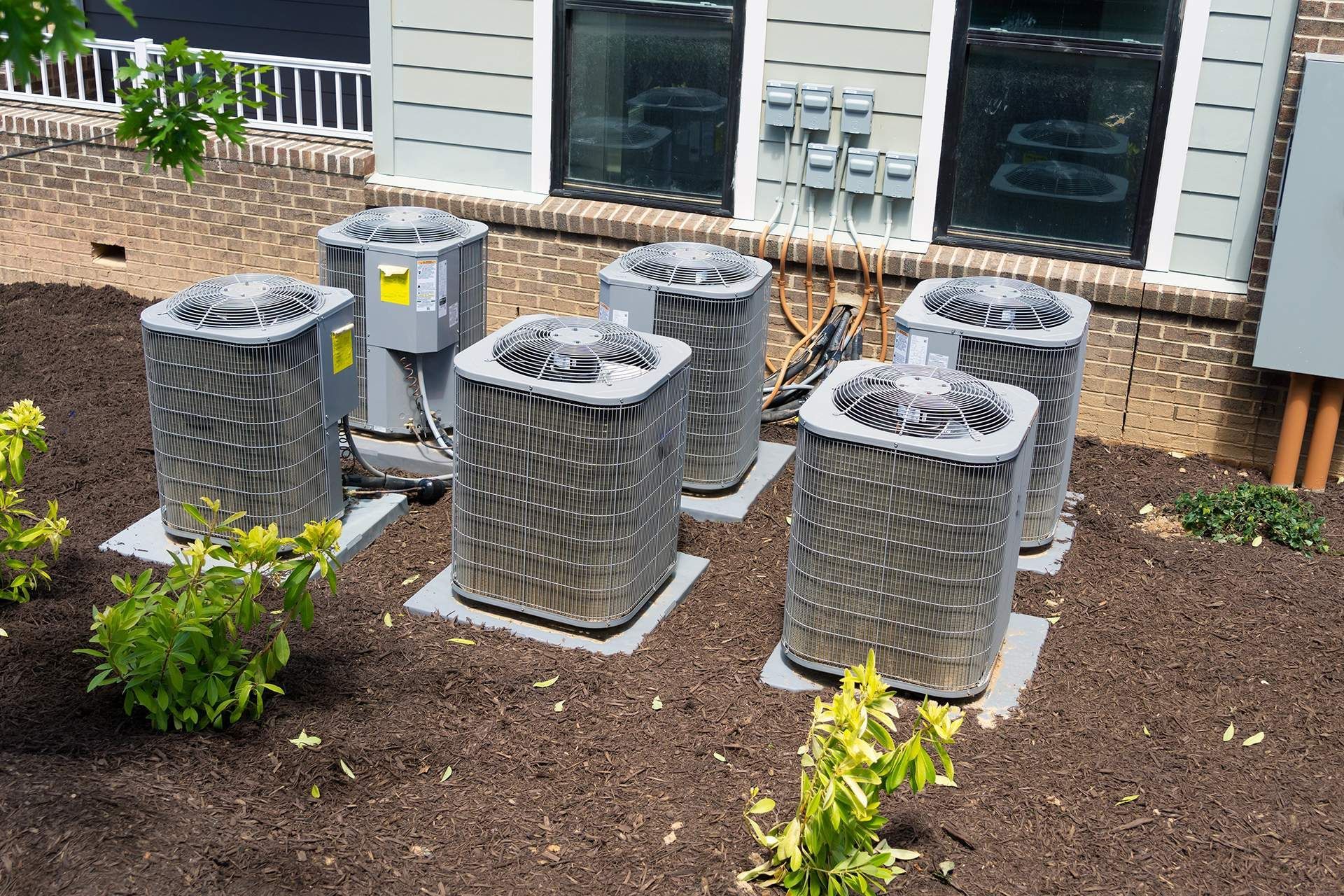
Table of Contents
- Understanding How ductless mini split systems Work
- Why ductless HVAC Elevates Home Comfort
- Energy Efficiency Benefits
- Ideal Applications for Mini Splits
- What to Expect During mini split installation
- Long-Term Value for Homeowners
- Final Thoughts and How to Get Help
Key Takeaways
- Ductless mini split systems provide precise room-by-room comfort control and eliminate the need for bulky ductwork.
- Ductless HVAC units improve efficiency, reduce energy loss, and offer flexible placement for almost any home layout.
- Proper mini split installation ensures maximum comfort, efficiency, and long-term performance.
Understanding How Ductless Mini Split Systems Work
A ductless mini split system works by connecting two main components: an outdoor compressor and one or more indoor air-handling units. Unlike traditional HVAC systems that rely on a network of ducts to circulate air, mini splits deliver conditioned air directly into each zone. This design significantly reduces energy loss and ensures that heating and cooling are delivered exactly where needed.
Ductless mini split systems provide precise room-by-room comfort control and eliminate the need for bulky ductwork. Homeowners considering upgrades often explore ductless HVAC options because these systems offer energy-efficient solutions without major renovations. Whether you’re planning a full home improvement or adding comfort to a single room, a professional mini split installation can make all the difference.
Each indoor unit operates independently. That means you can set one room to be cooler without affecting the temperature in the rest of the house. This type of control is one of the reasons homeowners quickly discover the convenience and cost savings that come with ductless HVAC.
The installation process also avoids major renovation. Since only a small conduit is needed to connect indoor and outdoor units, you don’t have to worry about cutting into walls to make room for ductwork. This makes it an ideal system for both modern homes and older properties that were never designed for central HVAC.
Why Ductless HVAC Elevates Home Comfort
Comfort is not just about temperature; it's also about consistency, air quality, and noise. Ductless HVAC addresses these concerns by delivering steady, even airflow without the temperature swings that occur with traditional forced-air systems.
Traditional systems often struggle to maintain stable temperatures because ductwork can leak, clog, or disperse air unevenly. Mini splits eliminate this problem altogether. Each room receives dedicated airflow directly from the indoor unit, resulting in faster heating or cooling and more reliable comfort.
These systems also run quietly. Indoor air handlers are engineered for minimal noise, making them ideal for bedrooms, offices, and living spaces where a peaceful environment matters.
Air quality improves as well. Since there are no ducts to accumulate dust, pollen, or debris, the system delivers cleaner air. Many units come with advanced filtration features, helping reduce allergens and improving the overall indoor environment.
Energy Efficiency Benefits
One of the biggest reasons homeowners switch to ductless mini split systems is the dramatic improvement in efficiency. Duct losses in standard HVAC systems can account for a large percentage of wasted energy. Eliminating ducts removes that inefficiency entirely.
Mini splits use advanced inverter technology, which continuously adjusts compressor speed instead of turning on and off repeatedly. This allows the system to maintain stable temperatures with far less energy use.
Another advantage is zone-based heating and cooling. If you rarely use certain rooms, you don’t have to waste energy heating or cooling them. This targeted approach often leads to noticeable reductions in monthly utility bills.
For homeowners who care about environmental impact, ductless systems are also a more sustainable choice. Their reduced power consumption and ability to avoid wasted energy make them a cleaner, greener solution for year-round comfort.
Ideal Applications for Mini Splits
While ductless HVAC works well in almost any home, certain situations make these systems truly transformative.
Older Homes Without Ductwork
Many historic or older homes were not built with duct systems, making central HVAC installation complicated and expensive. Mini splits solve this problem by delivering comfort without altering the structure. Learn more about heat pumps and mini splits.
Home Additions
When adding a new room, sunroom, garage apartment, or extended space, connecting it to the central system can strain the existing HVAC. A mini split installation provides independent comfort without overloading the main system.
Hard-to-Heat or Cool Areas
Basements, attics, bonus rooms, and rooms facing direct sun often experience temperature imbalances. Mini splits target these problem areas, ensuring comfort throughout the entire house.
Multi-Story Homes
Temperature differences between floors are common. By installing separate zones for each level, you can achieve balanced comfort without constant thermostat adjustments.
Rental Units or In-Law Suites
Independent zoning allows renters or guests to control their own comfort without affecting the main home.
What to Expect During mini split installation
Understanding the mini split installation process helps homeowners know what to expect and plan accordingly. Installation is typically quicker and less disruptive than traditional HVAC because it requires minimal structural modification.
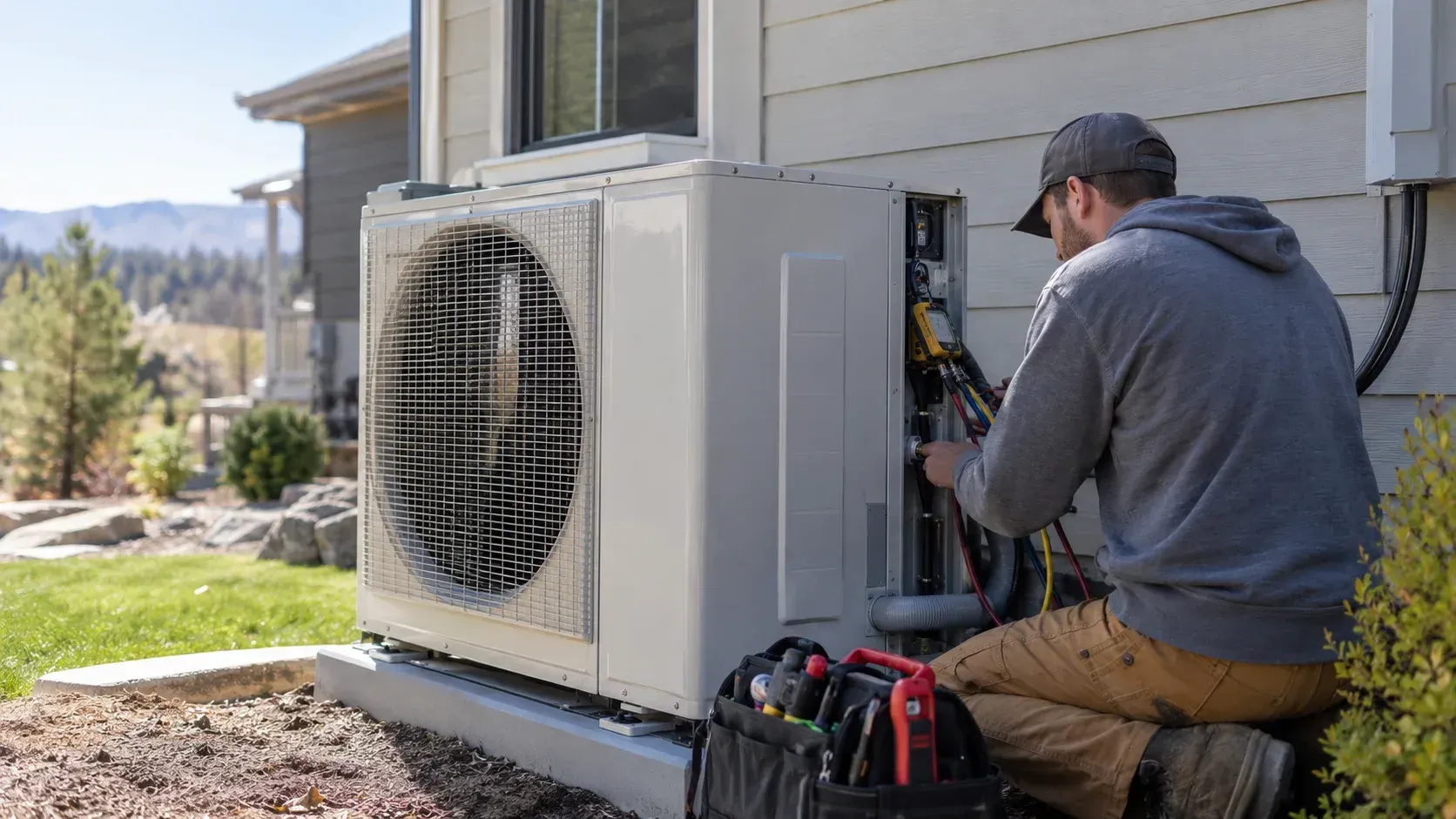
A trained technician begins by determining how many indoor units are needed based on home layout and comfort requirements. Proper placement ensures even airflow and efficient temperature control. The outdoor unit is then placed on a stable surface, often mounted on a wall bracket or concrete pad.
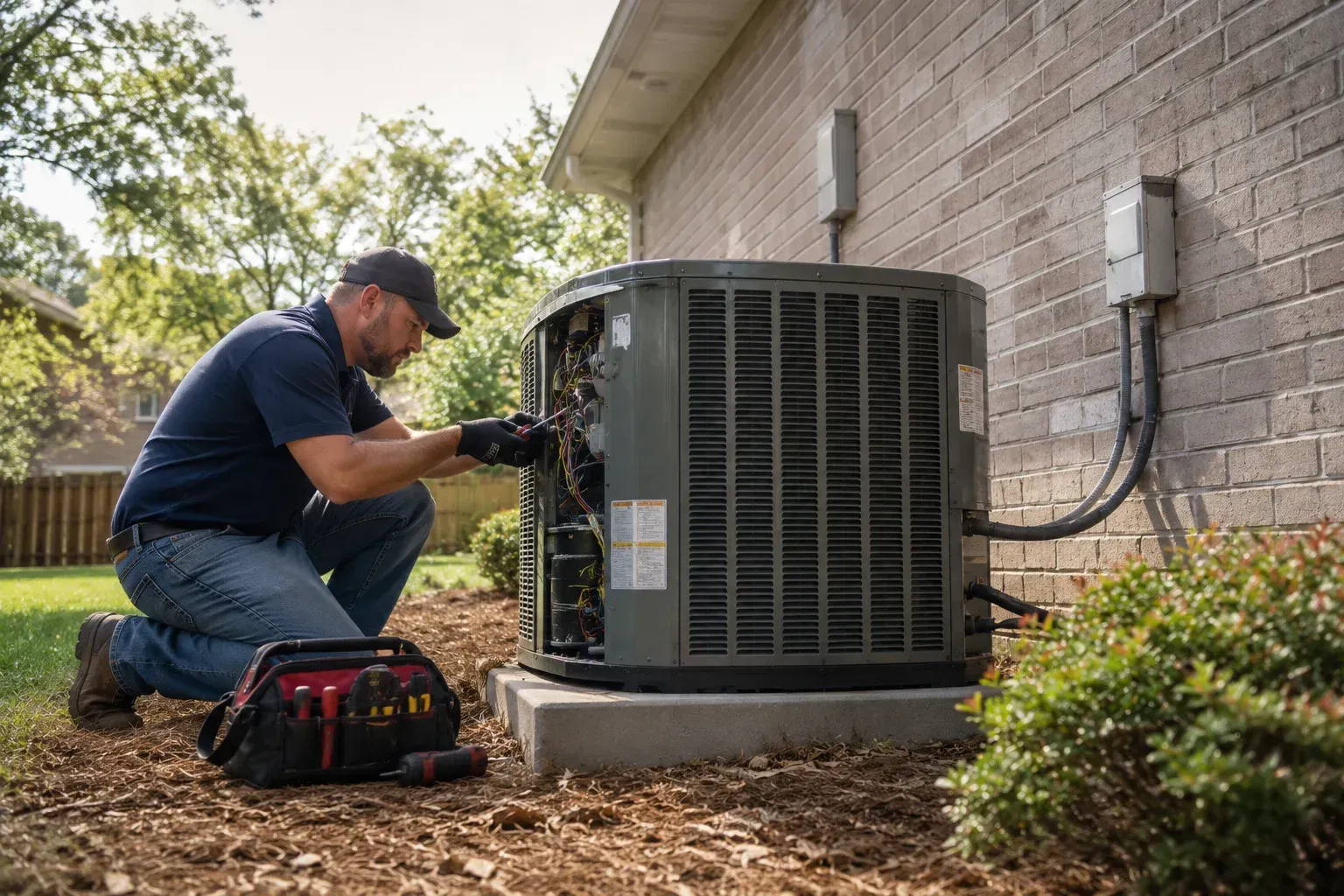
A small conduit containing refrigerant lines, electrical wiring, and drainage connects the outdoor and indoor units. This requires only a small opening through the exterior wall. Once all units are installed and secured, the system is tested, refrigerant levels are checked, and the thermostat or controller is programmed for optimal performance.
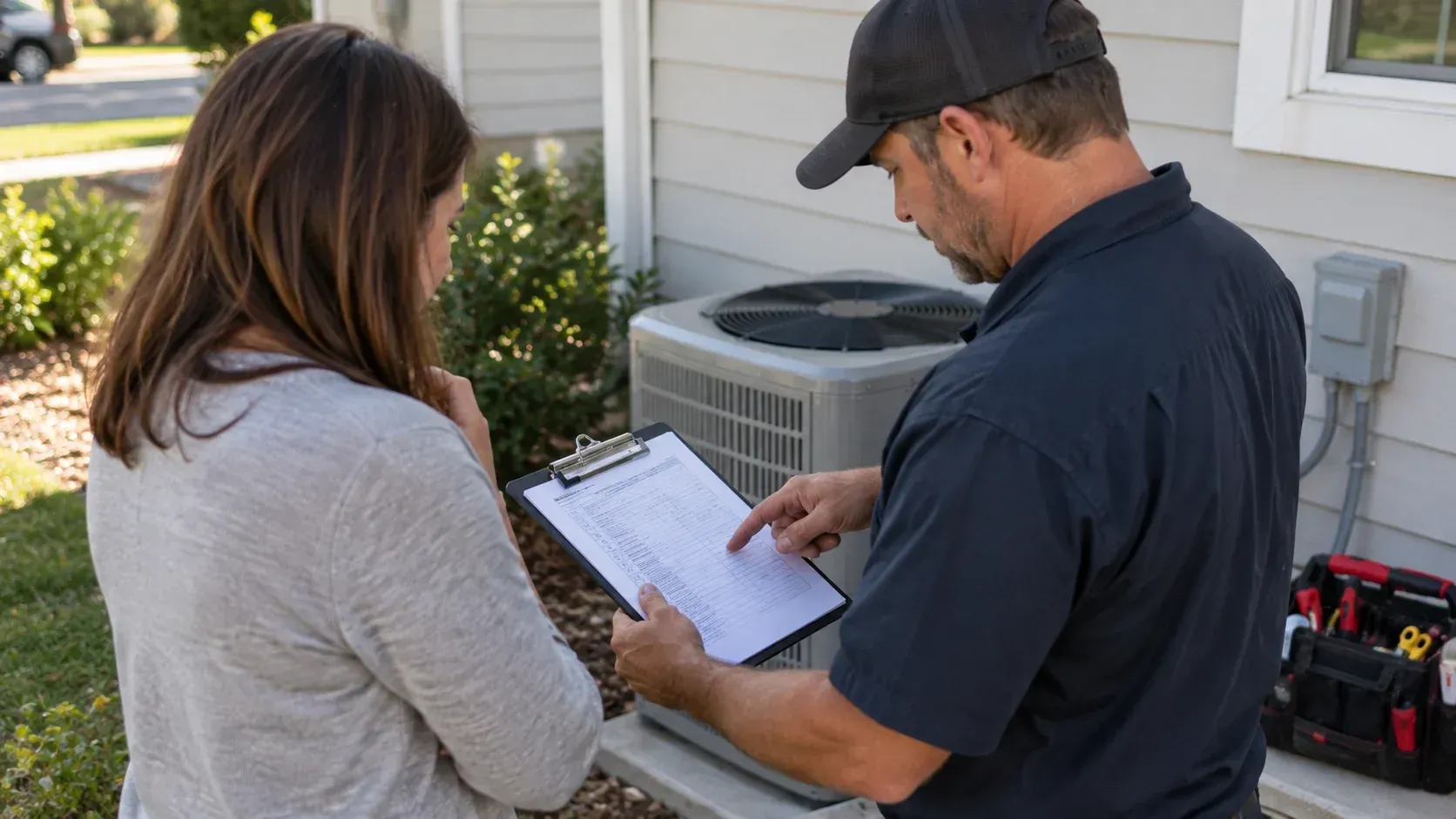
The most important factor in a successful installation is working with a qualified professional. Poor installation can lead to reduced efficiency, leaks, noise problems, or system failure. A trained technician ensures proper sizing, secure connections, and correct calibration.
Long-Term Value for Homeowners
While the upfront cost of ductless mini split systems can be higher than some standard HVAC options, the long-term benefits often outweigh the initial investment. Lower energy bills, longer system lifespan, fewer repairs, and flexible zoning make mini splits a smart choice for many homeowners.
These systems are built for durability. With regular maintenance—such as cleaning filters, checking refrigerant levels, and ensuring the outdoor unit remains free of debris—your mini split can provide reliable comfort for many years.
Homeowners also appreciate how easy it is to expand the system. If you decide to finish a basement or build an addition later, you can simply add another indoor unit to the existing setup without replacing the entire system.
Final Thoughts and How to Get Help
If you are looking for a way to elevate comfort, reduce energy costs, and gain precise control over every room in your home, ductless mini split systems offer one of the most efficient solutions available today. With flexible design options, quiet operation, and powerful performance, ductless HVAC continues to grow in popularity among homeowners who want smarter, more reliable climate control.
Whether you're upgrading an older home, conditioning a newly finished space, or simply seeking more consistent temperatures, a professional mini split installation can transform your daily comfort.
To learn more or discuss installation for your home,
contact Silas HVAC for more details, expert guidance, and support.
Frequently Asked Questions
What are ductless mini split systems, and how do they work?
We use ductless mini split systems to heat and cool specific rooms efficiently. They have an outdoor compressor and indoor units that deliver air directly to each space, giving us precise temperature control without bulky ducts.
Why should we choose ductless HVAC for our home?
We choose ductless HVAC because it offers energy efficiency, quiet operation, and cleaner air. It allows us to control temperatures room by room and avoid energy loss from traditional duct systems.
How long does a mini split installation usually take?
We find that mini split installation is quick and minimally disruptive. Depending on the number of units, most installations are completed in a few hours to a day, letting us enjoy improved comfort fast.
Can ductless mini split systems save us money on energy bills?
Yes! By heating and cooling only the rooms we use and avoiding duct losses, ductless mini split systems help us reduce energy consumption and save on monthly utility bills.
Are ductless HVAC systems suitable for older homes?
Absolutely. We rely on ductless HVAC in older homes because they don’t require extensive ductwork. This makes it easy for us to upgrade comfort without major renovations.
Related Posts