How to Handle Common Issues with Copper Pipe Repairs
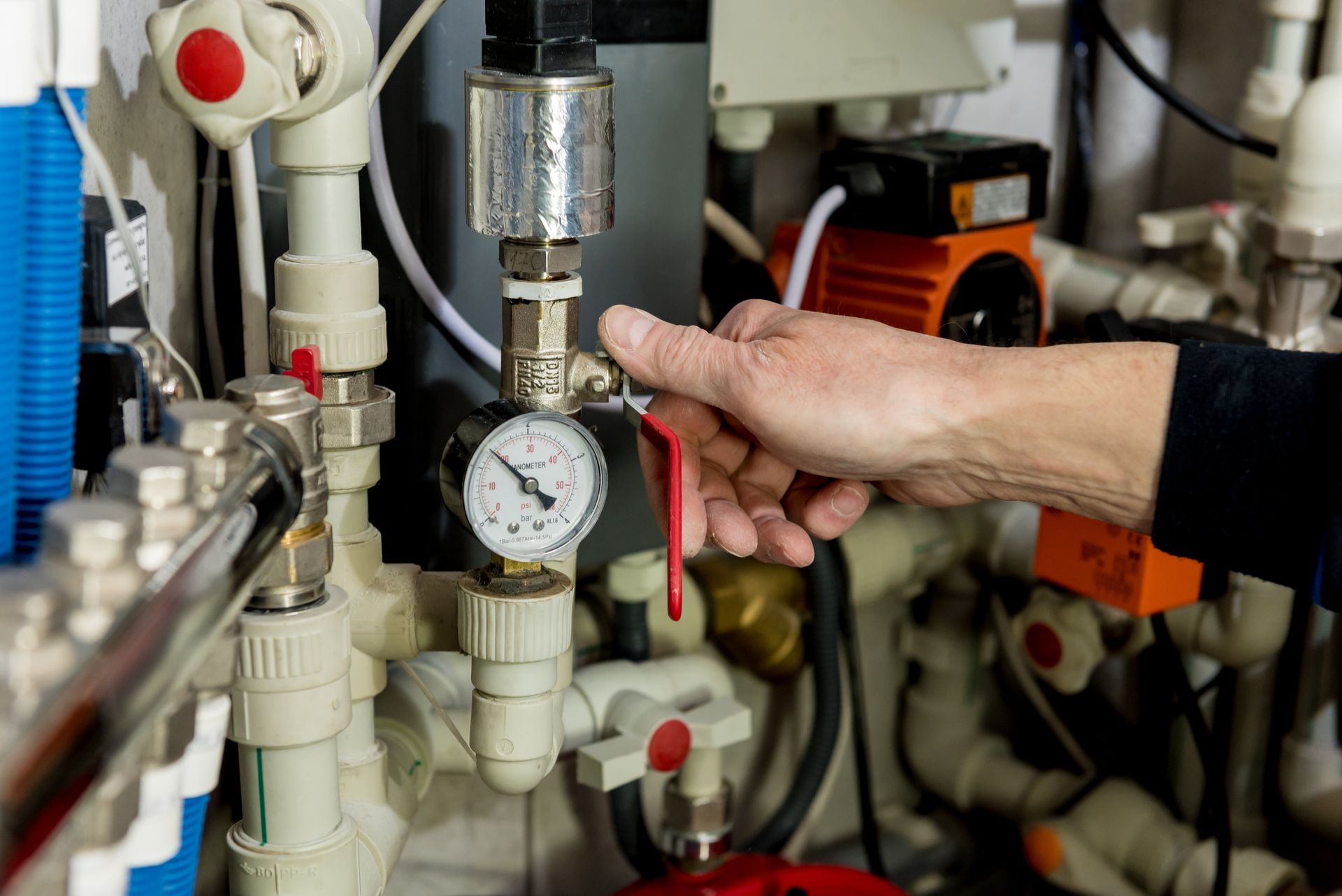
Copper pipes are renowned for their durability and reliability in residential plumbing systems. However, over time, they can develop issues that require prompt attention to maintain optimal HVAC system performance and efficient heating & air conditioning service.
This guide explores the common problems associated with copper pipes and provides detailed solutions, incorporating essential keywords for comprehensive coverage.
Identifying Common Issues with Copper Pipes
Identifying common issues with copper pipes is crucial for maintaining the integrity of your plumbing system and ensuring efficient HVAC services. Here are the main issues to watch out for:
- Leaks
One of the most frequent problems with copper pipes is leaking. Leaks can occur due to corrosion, physical damage, or improper installation. Signs include water stains on walls or ceilings, damp spots on floors, or a noticeable increase in water bills. - Corrosion
Copper pipes are susceptible to corrosion, especially in environments with acidic water or high humidity levels. Corrosion appears as greenish-blue stains on the pipes or fittings and can weaken the pipe structure over time. - Frozen Pipes
In colder climates, copper pipes can freeze during winter, leading to potential bursts when the pipes thaw. Signs of frozen pipes include reduced water flow or no water coming from faucets. Prevention involves proper insulation of pipes in unheated areas or those exposed to extreme cold - Pinhole Leaks
These are tiny punctures that develop on copper pipes due to various factors such as water chemistry, high water pressure, or manufacturing defects. Pinhole leaks may not be immediately noticeable but can cause significant damage over time. - Water Pressure Issue
Fluctuating water pressure can stress copper pipes, leading to leaks or bursts. Symptoms include noisy pipes, fluctuating water flow, or problems with appliances like washing machines. - Water Quality Problems
Poor water quality, including high mineral content or acidity, can accelerate corrosion and lead to premature pipe failure. Regular testing and treatment of water quality can help mitigate these issues. - Degradation Over Time
Copper pipes, while durable, can degrade over decades of use. Factors such as age, quality of installation, and exposure to environmental elements contribute to the gradual wear and tear of copper plumbing systems.
Identifying these common issues early on allows homeowners to take proactive steps such as scheduling HVAC maintenance services, inspecting pipes regularly, and addressing any signs of damage promptly. This proactive approach helps in maintaining the efficiency and longevity of your plumbing system and ensures reliable HVAC services throughout the year.
How to Handle Copper Pipe Repairs
Locate and Assess the Leak:
Upon discovering a leak, immediately turn off the water supply to minimize damage. Use a pipe inspection camera or visually inspect the affected area to pinpoint the leak's exact location. Marking the area facilitates efficient HVAC repair and maintenance.
Repair Techniques:
Depending on the severity of the leak, choose the appropriate repair method:
- Temporary Solutions: Apply pipe repair clamps or epoxy putty for quick fixes to small leaks or pinhole leaks, ensuring immediate containment until permanent repair is possible.
- Soldering or Brazing: For larger leaks or burst pipes, soldering or brazing involves heating the joint and applying solder to create a durable seal, ensuring reliable heating & air conditioning service.
- Section Replacement: Severely damaged sections may require cutting out the affected area and replacing it with new copper pipe, enhancing the longevity of your HVAC system and preventing future issues.
Preventive Measures:
- Water Quality Management: Maintain balanced pH levels and consider installing water softeners to reduce corrosion risks and extend the lifespan of copper pipes, optimizing HVAC system efficiency.
- Insulation and Protection: Insulate pipes in cold-prone areas or unheated spaces to prevent freezing and potential HVAC system breakdowns, ensuring consistent heating & air conditioning service.
- Regular Maintenance: Schedule routine inspections and HVAC repair services with a licensed plumber to detect early signs of corrosion, leaks, or other issues, maintaining optimal system performance throughout the year.
Professional Assistance:
While DIY solutions can address minor issues, complex problems such as extensive corrosion or multiple leaks should be handled by a professional HVAC technician. Experienced professionals have the expertise and specialized equipment necessary for comprehensive HVAC repair and maintenance, ensuring your system operates efficiently and reliably.
Conclusion
Effectively managing common issues with copper pipe repairs requires proactive maintenance, timely repairs, and preventive measures tailored to your HVAC system needs. By understanding the signs of leaks, corrosion, and frozen pipes, homeowners can safeguard their plumbing infrastructure and optimize heating & air conditioning service efficiency.
Whether addressing minor repairs or seeking professional assistance, prioritizing the integrity of copper pipes ensures long-term reliability and minimizes the risk of costly water damage. Regular maintenance and prompt action are essential for maintaining the efficiency and longevity of your HVAC system, ensuring comfort and peace of mind year-round.
Keep Your Air Conditioner Mold-Free and Efficient!
Is mold growth compromising the efficiency of your air conditioning unit and indoor air quality? Fear not! With years of expertise in HVAC services, including mold remediation, Silas Heating & Cooling is your trusted ally in Horton, Alabama, and nearby areas such as Blount County, Albertville, Boaz, Guntersville, and Fort Payne.
Our seasoned technicians specialize in delivering top-notch service tailored to your specific needs. Whether you require mold removal, air duct cleaning, or comprehensive HVAC repair and maintenance, we're fully equipped to handle it all. We recognize the critical importance of maintaining pristine indoor air quality and offer emergency services to ensure your comfort around the clock.
Don't let mold compromise your air conditioner's efficiency.
Contact us today for a complimentary quote and entrust our skilled team to address all your HVAC needs with professionalism and precision. With Silas Heating & Cooling at your service, enjoy a mold-free and refreshing indoor environment year-round. Schedule your service now and breathe easy knowing your air conditioner is in capable hands!
Frequently Asked Questions
What steps should I take if I find a leak in my copper pipes?
If you discover a leak in your copper pipes, it's crucial to act promptly. Start by shutting off the main water supply to prevent further damage. Use a pipe inspection camera or visually inspect the affected area to pinpoint the leak's location accurately. For a temporary fix, consider using a pipe repair clamp or epoxy putty until a permanent repair can be scheduled.
How can I prevent corrosion in my copper pipes?
Preventing corrosion in copper pipes involves several strategies. Regularly monitor and balance the pH levels of your water. Consider installing a water softener to mitigate mineral buildup that accelerates corrosion. Insulating pipes in areas prone to high humidity or temperature fluctuations can also help prolong their lifespan and efficiency.
What are the signs that my copper pipes may be frozen?
Signs of frozen copper pipes include reduced water flow, frost on exposed pipes, or no water coming from faucets. If you suspect frozen pipes, immediately turn off the water supply and attempt to thaw them gently using a hairdryer or warm towels. Avoid using direct heat sources to prevent damage.
When should I consider replacing rather than repairing my copper pipes?
Replacement may be necessary if your copper pipes have extensive corrosion, frequent leaks, or are nearing the end of their lifespan. Consulting with a qualified plumber, who has years of experience in handling HVAC units and power solutions, can provide valuable insights into the condition of your pipes and recommend the best course of action for your budget heating and cooling needs.
How often should I schedule maintenance for my copper plumbing system?
Regular maintenance for your copper plumbing system, including HVAC units, is recommended at least once a year. A professional inspection can detect early signs of corrosion or leaks. Additionally, cleaning air ducts and ensuring ductless systems are operating efficiently can optimize your cooling system's performance and extend its longevity.
Related Posts