Beginner’s HVAC Maintenance Guide
We understand that maintaining your HVAC system can feel overwhelming, especially if you're new to homeownership or handling HVAC upkeep. However, with a few essential tips and tricks, you can ensure that your heating, ventilation, and air conditioning (HVAC) system operates efficiently year-round. This guide is designed for beginners who want to keep their HVAC systems running smoothly, extend their lifespan, and avoid costly repairs.
In this blog, we'll cover the basics of HVAC maintenance, from simple tasks like checking filters to more seasonal tasks that can help your system perform at its best. Whether you’re taking the DIY approach or simply want to understand how to care for your home’s comfort system, this guide will give you the knowledge and confidence to keep your home HVAC comfort in check.
Understanding HVAC Maintenance: Why It Matters
When it comes to your home’s HVAC system, proper maintenance is key to ensuring that it works efficiently and lasts for years. Regular maintenance not only keeps your system running but can also improve indoor air quality, enhance comfort, and save you money on energy bills.
By following a simple HVAC maintenance guide, you'll reduce the likelihood of breakdowns, improve energy efficiency, and protect your investment. A little attention goes a long way!
Year-Round HVAC Tips for Optimal Performance
Your HVAC system operates year-round, regardless of the season. Here are some essential tips to keep it running smoothly all year long:
Change Air Filters Regularly
One of the simplest and most effective things you can do for your HVAC system is to change the air filters regularly. A clogged or dirty filter can restrict airflow, causing the system to work harder and consume more energy.
How often? We recommend changing your filters every 1-3 months, depending on the type of filter and your home’s needs.
Tip: Use high-quality filters designed to trap dust, allergens, and particles to improve indoor air quality.
Inspect and Clean the Coils
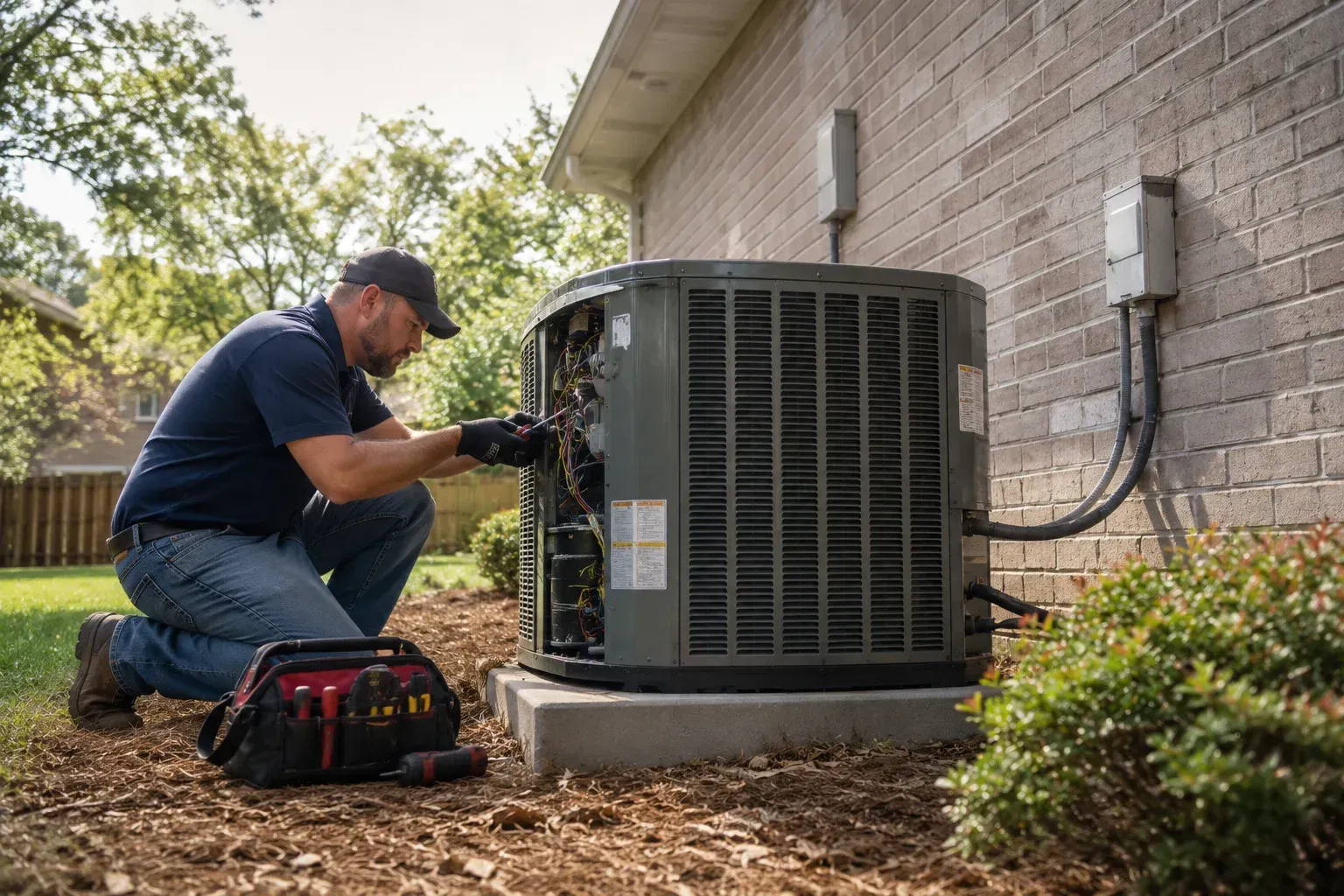
Both the evaporator and condenser coils in your HVAC unit need periodic cleaning to ensure that they are working efficiently. Over time, coils can accumulate dirt, which reduces their ability to absorb and expel heat.
What to do? Turn off the system, clean the coils with a coil cleaner, and ensure that the coils are free from dirt or debris.
Tip: This is best done by a professional, but you can check for visible dirt buildup and clean around the unit yourself.
Clear the Drain Line
The condensate drain line ensures that excess moisture is removed from the system. If the line gets clogged, it can lead to water damage or a system malfunction.
How to clear it? Use a wet/dry vacuum to remove any debris from the drain. Additionally, check the line for leaks or cracks.
Seasonal HVAC Maintenance: Preparing for Winter and Summer
While some maintenance tasks are essential year-round, others are specific to the seasons. Here’s how to prepare your HVAC system for both hot and cold weather.
Winter HVAC Maintenance: Stay Warm and Cozy
Before the winter months roll in, it’s important to prepare your HVAC system for the colder weather. Here’s what to do:
- Check the Thermostat
Ensure that your thermostat is working properly, as it controls your home’s heating system. If you have a programmable thermostat, adjust it to lower temperatures when you’re away and raise it before you come home. - Inspect the Ductwork
Inspect your home’s ductwork for any holes, leaks, or blockages. Gaps in your ductwork can lead to energy loss, making your system work harder to heat your home. Sealing any leaks can help maintain home HVAC comfort and reduce heating costs. - Test the Heater
Run your heater a few days before you need it to make sure it’s working properly. If you notice any strange noises or smells, it’s time to call a professional HVAC technician. - Insulate Your Home
To avoid heat loss during winter, ensure your home is well insulated. Check windows, doors, and attics for drafts and seal them as needed to keep your home warm and energy-efficient.
Summer HVAC Maintenance: Stay Cool and Comfortable
Just like winter, your HVAC system needs attention before the heat hits. Here’s how to get your system ready for summer:
- Clean the Condenser Unit
Your condenser unit works hard during the summer months. Make sure it’s free from dirt, leaves, and other debris that can block airflow. Clean the area around the unit to ensure proper ventilation. - Check Refrigerant Levels
Low refrigerant levels can cause your air conditioner to perform inefficiently. If you’re not familiar with handling refrigerant, it’s a good idea to have a professional inspect and recharge the levels. - Inspect Insulation and Seals
Just as with winter, ensure that your home is insulated properly to keep cool air in. Check seals around windows and doors, and look for gaps in ductwork to prevent cooled air from escaping.
Troubleshooting Common HVAC Problems
Even with regular maintenance, problems can still arise. Here are some common issues and how to troubleshoot them:
- HVAC system not turning on?
Check the circuit breaker and thermostat settings. If both are fine, the problem could be with the electrical system, and it’s best to call a professional. - Not enough cool or warm air?
Check your filters and make sure the vents are open and not blocked by furniture. Low airflow could also indicate a problem with the ductwork or blower motor. - Unusual noises?
Squealing or grinding noises could be a sign of a mechanical issue, such as a worn belt or motor problem. It’s important to address this quickly to avoid further damage.
Hiring a Professional HVAC Technician
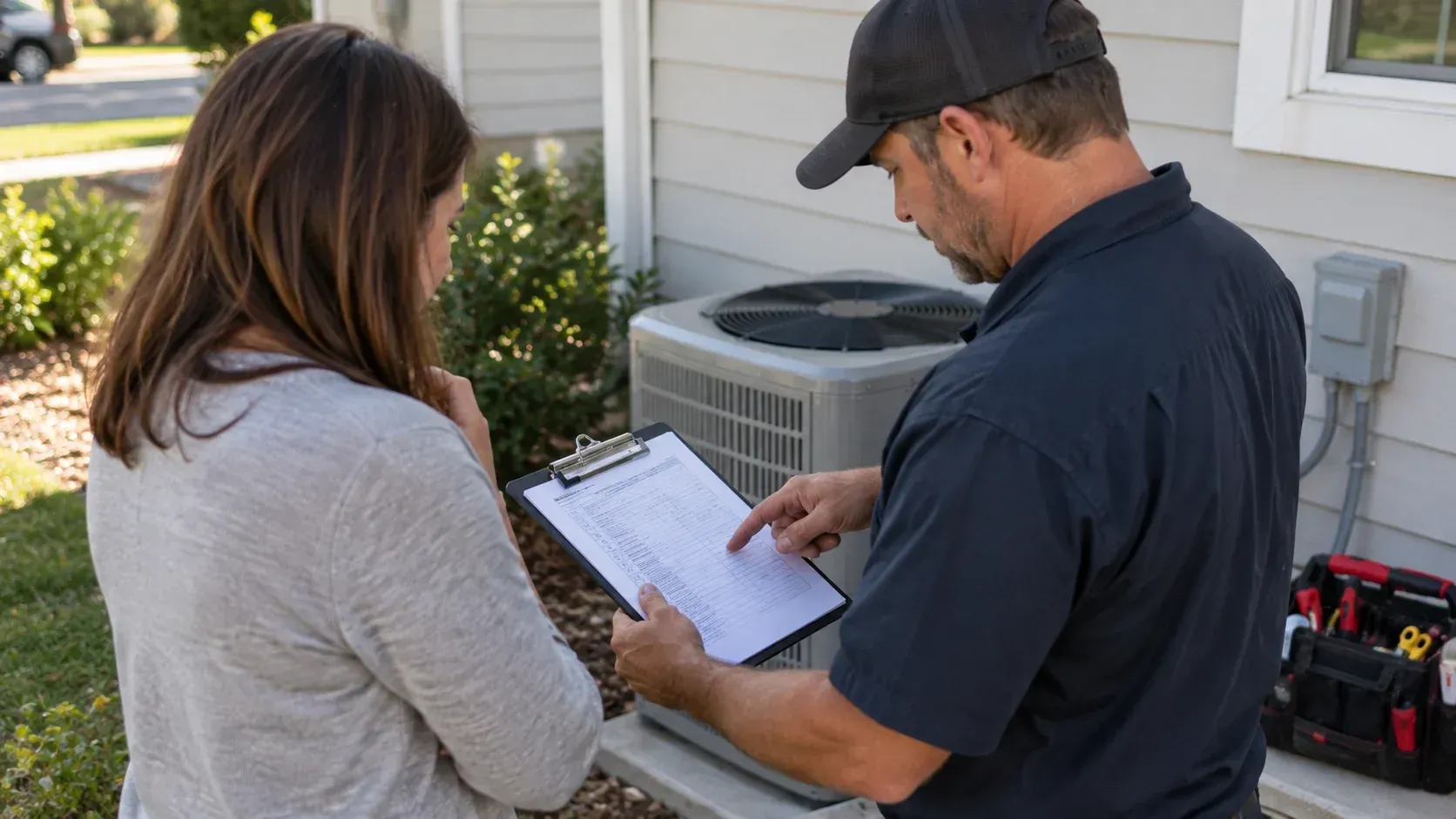
While many HVAC maintenance tasks can be handled by homeowners, there are certain situations where it’s best to call in the professionals. A qualified HVAC technician can:
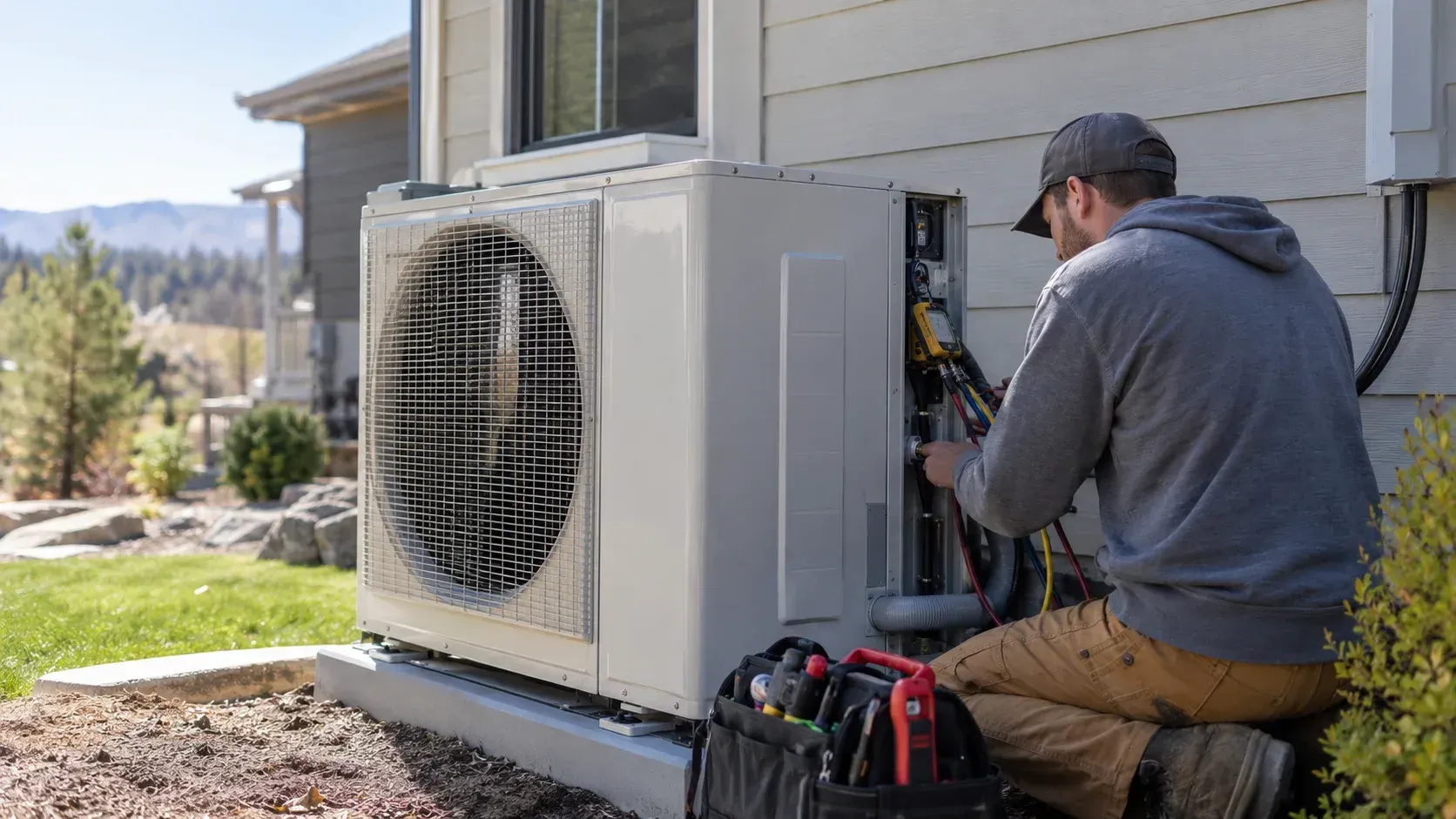
- Perform more advanced tasks, such as checking refrigerant levels, cleaning coils, and inspecting the entire system.
- Offer recommendations for improving energy efficiency and saving on energy bills.
- Identify potential issues early and make repairs before they become major problems.
Conclusion
By following this HVAC maintenance guide, you can ensure that your heating and cooling system is in top condition all year long. Regular attention to tasks like changing air filters, cleaning coils, and checking your thermostat will improve your home’s comfort and efficiency.
At
Silas Heating and Cooling, we’re here to help with any HVAC maintenance needs you may have. If you’re unsure about handling some of the more technical aspects or need a professional inspection, don’t hesitate to reach out to us at
(256) 572-9630 or
ssilashvac@yahoo.com. With these simple maintenance steps, you can enjoy a more efficient, longer-lasting HVAC system, keeping your home comfortable throughout every season.
Related Posts