DIY vs. Professional HVAC Maintenance
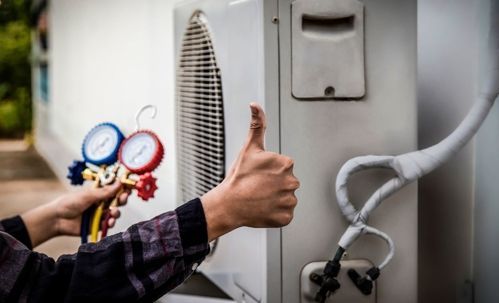
Keeping your HVAC system in optimal condition is crucial for maintaining a comfortable and energy-efficient home. You may wonder whether it’s better to handle HVAC maintenance yourself or hire a professional. This decision can impact both your wallet and the longevity of your system. To help you make an informed choice, let’s break down the pros and cons of DIY HVAC maintenance versus hiring a professional, along with a helpful HVAC maintenance checklist to guide you.
The Basics of HVAC Maintenance
Your HVAC system is responsible for heating, cooling, and maintaining indoor air quality. Like any other machinery, it requires regular maintenance to perform efficiently. Neglecting your system can lead to higher energy bills, frequent repairs, and even a complete breakdown. There are two main routes for HVAC maintenance: do-it-yourself (DIY) or hiring a professional.
Each option comes with its own set of benefits and risks, which we'll explore in detail.
Understanding DIY HVAC Maintenance
DIY HVAC maintenance involves performing routine tasks on your own to ensure that your system is running efficiently. This approach appeals to many homeowners because it can save money on professional services. However, not all HVAC tasks are safe or practical to handle without professional expertise.
Here are a few common DIY tasks:
- Changing Air Filters:
This is one of the easiest tasks homeowners can do. Air filters should be replaced every 1-3 months to keep the air in your home clean and ensure proper airflow through your HVAC system. Dirty filters can restrict airflow and make your system work harder, which can lead to increased energy costs. - Cleaning Vents and Registers:
Dust and debris can block airflow, so regularly cleaning vents and registers is a simple way to keep your system running smoothly. A vacuum cleaner can help you remove dust and dirt, ensuring that your HVAC system operates efficiently. - Checking the Thermostat:
Ensuring your thermostat is set to the appropriate temperature and working correctly can help maintain efficiency. If your thermostat is outdated or malfunctioning, consider upgrading to a programmable model, which can help you save energy and money by adjusting temperatures based on your schedule. - Clearing Debris Around Outdoor Units:
Make sure the area around your outdoor condenser is clear of leaves, dirt, and other debris to allow for proper airflow. Overgrown vegetation can block airflow, causing your system to work harder and increasing the risk of breakdowns.
While these tasks are manageable for most homeowners, DIY HVAC maintenance has its limits.
The Risks of DIY HVAC Maintenance
Although there are simple tasks you can handle yourself, certain aspects of HVAC maintenance require specialized skills and equipment.
Here are some risks of going the DIY route:
- Safety Concerns:
HVAC systems involve electrical components and refrigerants that can be hazardous if handled improperly. Attempting to repair or maintain these parts without proper knowledge can lead to injury or damage. For example, refrigerants can be harmful to your health and the environment if not handled correctly. - Voiding Warranties:
Many HVAC manufacturers require regular professional maintenance to keep warranties valid. DIY repairs or maintenance may void the warranty, leading to higher costs if something goes wrong. Always check your manufacturer’s guidelines to ensure you’re complying with their requirements. - Inadequate Repairs:
If you don’t have experience with HVAC systems, it’s easy to overlook small problems that can escalate into larger issues over time. A professional technician is trained to spot these early signs and address them before they become major repairs. For instance, a small refrigerant leak might not seem significant, but it can lead to compressor failure if left untreated.
In short, while DIY HVAC maintenance can be cost-effective for basic tasks, it’s important to know your limitations.
The Benefits of Professional HVAC Maintenance
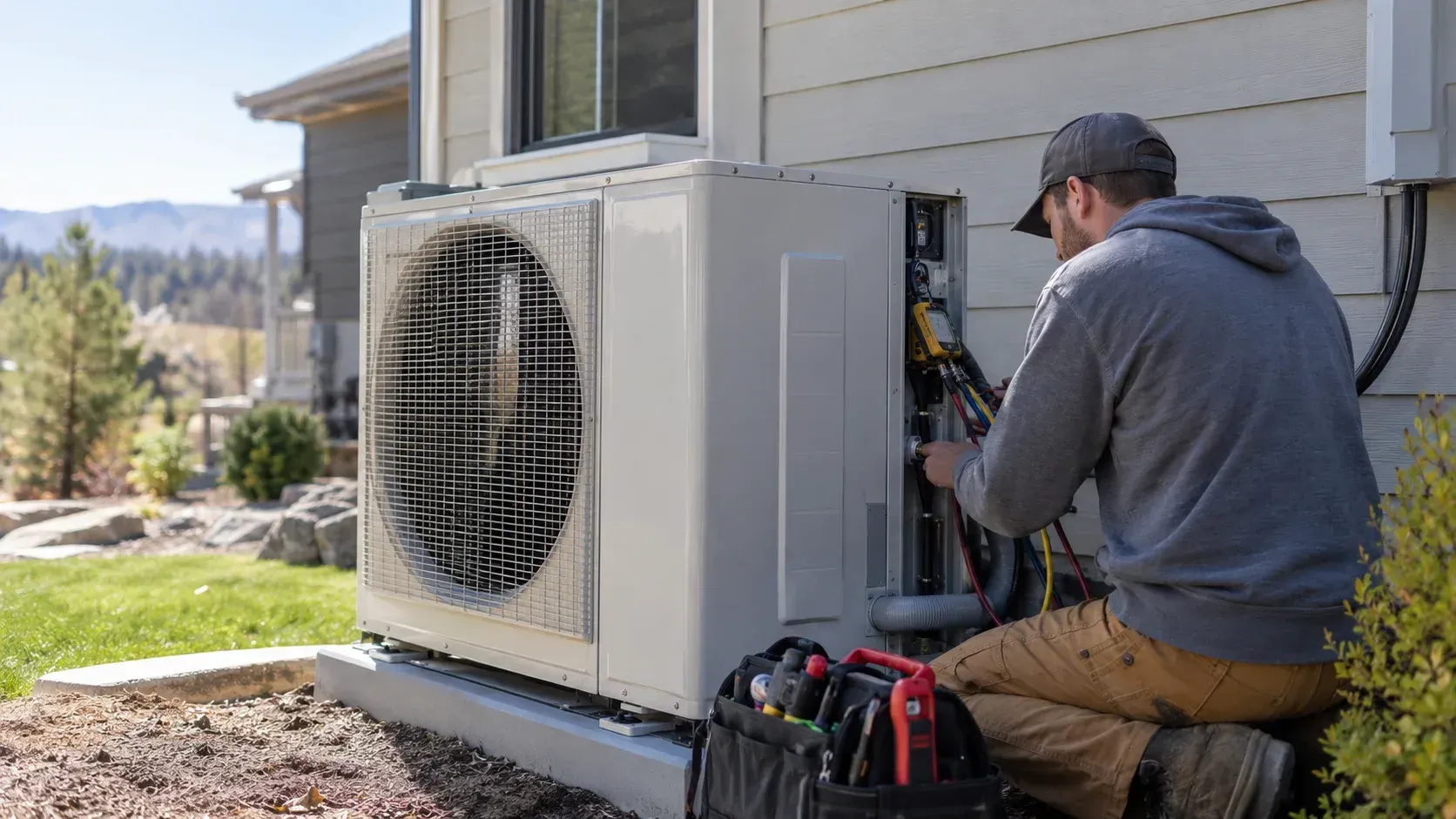
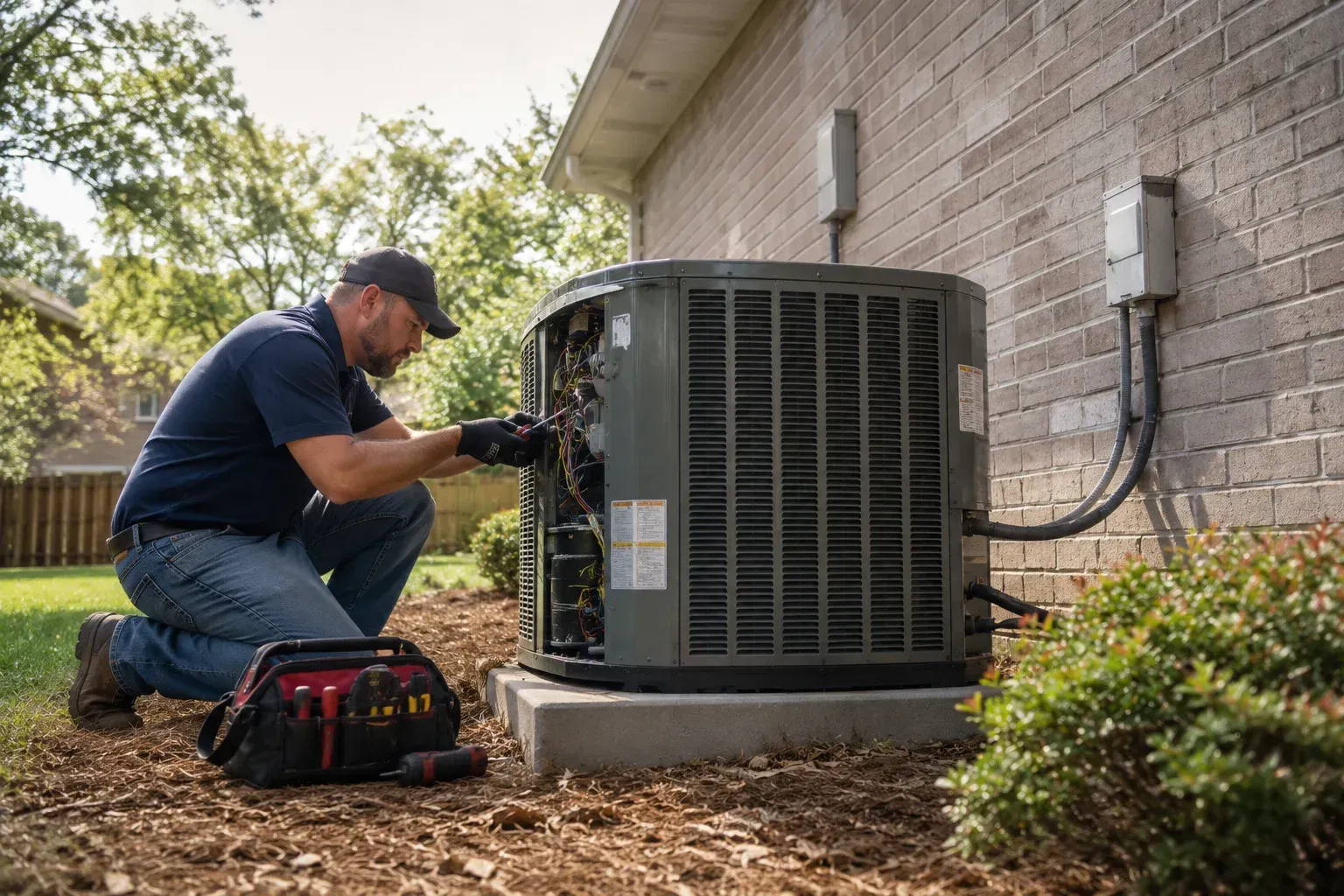
Hiring a professional for your HVAC maintenance ensures that your system receives expert care. Professionals have the training and tools to handle complex tasks and identify potential problems that might be missed by an untrained eye.
Here’s why professional maintenance is a wise investment:
- Comprehensive Service:
Professionals conduct thorough inspections and use specialized tools to test every component of your HVAC system, from the coils to the refrigerant levels. This ensures that your system is running efficiently and safely. A comprehensive service may include checking the ductwork, testing for gas leaks, and inspecting the overall system performance. - Early Detection of Issues:
A trained HVAC technician can identify minor issues, such as leaks or worn-out components, before they turn into costly repairs. Early detection can save you from unexpected breakdowns and extend the life of your system. Regular professional maintenance often includes diagnostics that can pinpoint problems you might not be aware of. - Safety and Compliance:
HVAC systems involve technical components like refrigerants, which must be handled safely and according to local regulations. A professional will ensure that your system is compliant with all safety codes and regulations. They will also be familiar with any local building codes that need to be adhered to during maintenance or repair. - Preserving Warranties:
Most manufacturers require regular professional maintenance to keep warranties in effect. By hiring a licensed technician, you ensure that your system’s warranty remains valid, protecting you from expensive repairs down the line. Keeping records of professional maintenance can also help if you ever need to file a warranty claim. - Customized Maintenance Plans:
Many HVAC companies offer tailored maintenance plans that fit your system’s needs and your budget. These plans often include bi-annual checkups and discounts on repairs, giving you peace of mind throughout the year. Regularly scheduled maintenance can help you avoid costly repairs and keep your system running efficiently.
While hiring a professional involves an upfront cost, it often pays off by extending the life of your HVAC system and preventing costly repairs.
HVAC Maintenance Checklist
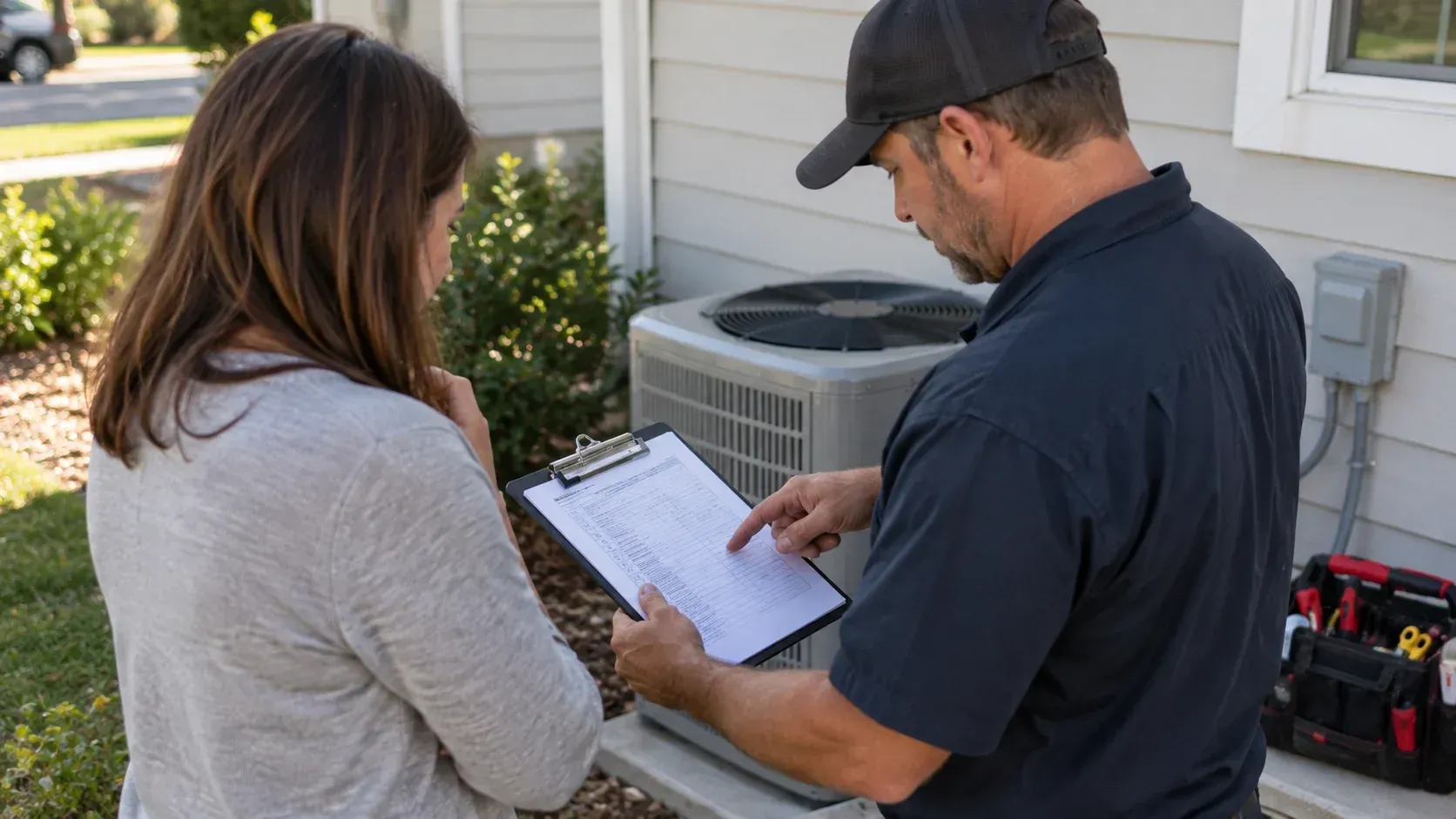
Whether you’re performing basic DIY HVAC maintenance or hiring a professional, having a clear HVAC maintenance checklist can help you stay on top of necessary tasks.
Here’s a helpful list to ensure your system stays in top shape:
- Change Air Filters: Every 1-3 months, depending on usage and air quality.
- Inspect Thermostat Settings: Check if it’s working correctly and set it to energy-efficient temperatures.
- Clean Vents and Registers: Remove dust and debris from all air vents.
- Inspect Insulation: Ensure ducts and pipes are properly insulated to prevent energy loss.
- Clear Outdoor Unit: Remove leaves, dirt, and debris from around the condenser unit.
- Check Refrigerant Levels: A professional can measure and adjust refrigerant levels if necessary.
- Examine Electrical Connections: Ensure all connections are secure and in good condition.
- Inspect Condensate Drain: Make sure the condensate drain is clear and functioning to prevent water damage.
- Lubricate Moving Parts: Proper lubrication can reduce friction and prevent wear and tear.
- Test System Operation: Run the system and listen for unusual noises or performance issues.
This checklist helps ensure that whether you take the DIY route or hire a professional, your HVAC system stays in good condition.
Conclusion
When it comes to HVAC maintenance, both DIY and professional approaches have their pros and cons. DIY tasks can be a cost-effective way to handle basic upkeep, but for more complex issues, professional maintenance is essential to ensure safety, compliance, and long-term efficiency.
By following an HVAC maintenance checklist and understanding the limitations of DIY work, you can keep your HVAC system running smoothly for years to come.
If you're considering professional HVAC maintenance, reach out to
Silas Heating & Cooling at
ssilashvac@yahoo.com or call us at
(256) 572-9630. We’re here to help with all your heating and cooling needs!
Related Posts