Copper Pipes in Your Home: How Long Can They Really Last?
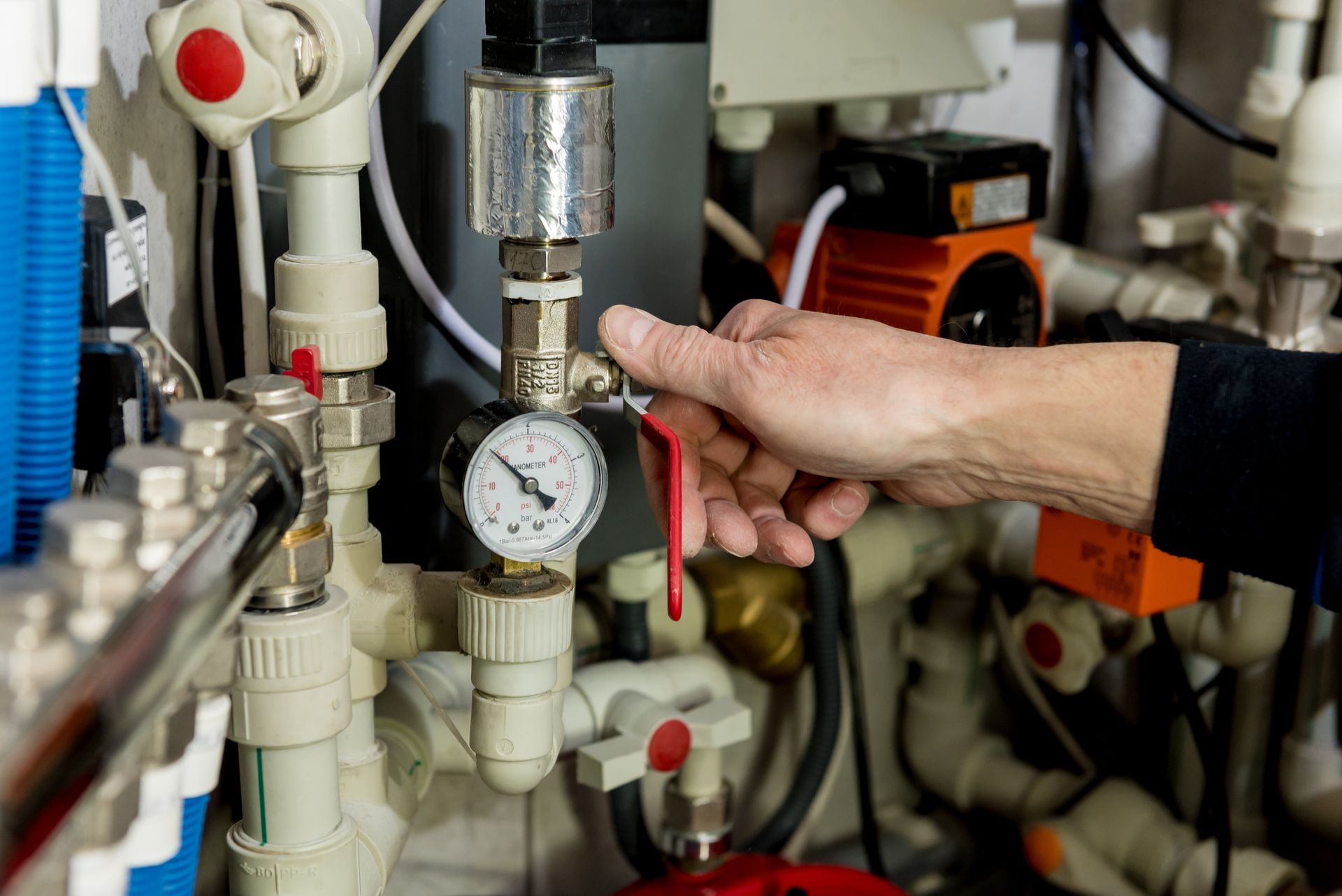
Copper pipes have long been heralded as a cornerstone of residential plumbing systems, prized for their resilience, resistance to corrosion, and ability to withstand high pressures. Yet, despite their reputation for durability, questions persist about just how long these essential fixtures can truly last.
In this comprehensive guide, we dive into the lifespan of copper pipes within your home and explore the myriad factors that can influence their longevity.
Understanding Copper Pipes
Copper's reign in plumbing stretches back centuries, tracing a lineage of reliability and trustworthiness. This metal boasts remarkable properties that make it an ideal choice for conveying water in domestic settings.
Its innate resistance to corrosion, formidable durability, and capacity to endure both high temperatures and pressures render it a stalwart component of plumbing infrastructure.
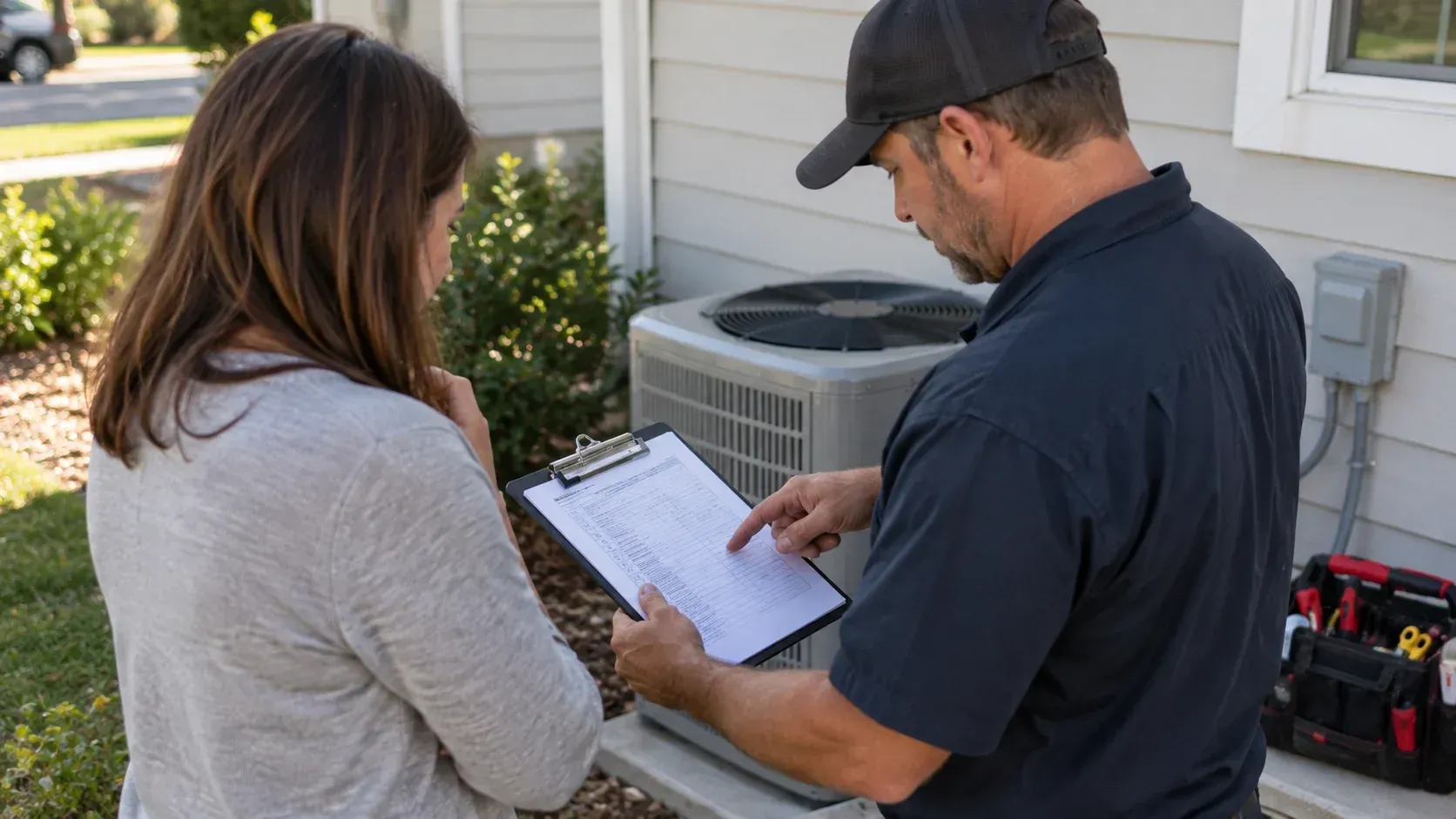
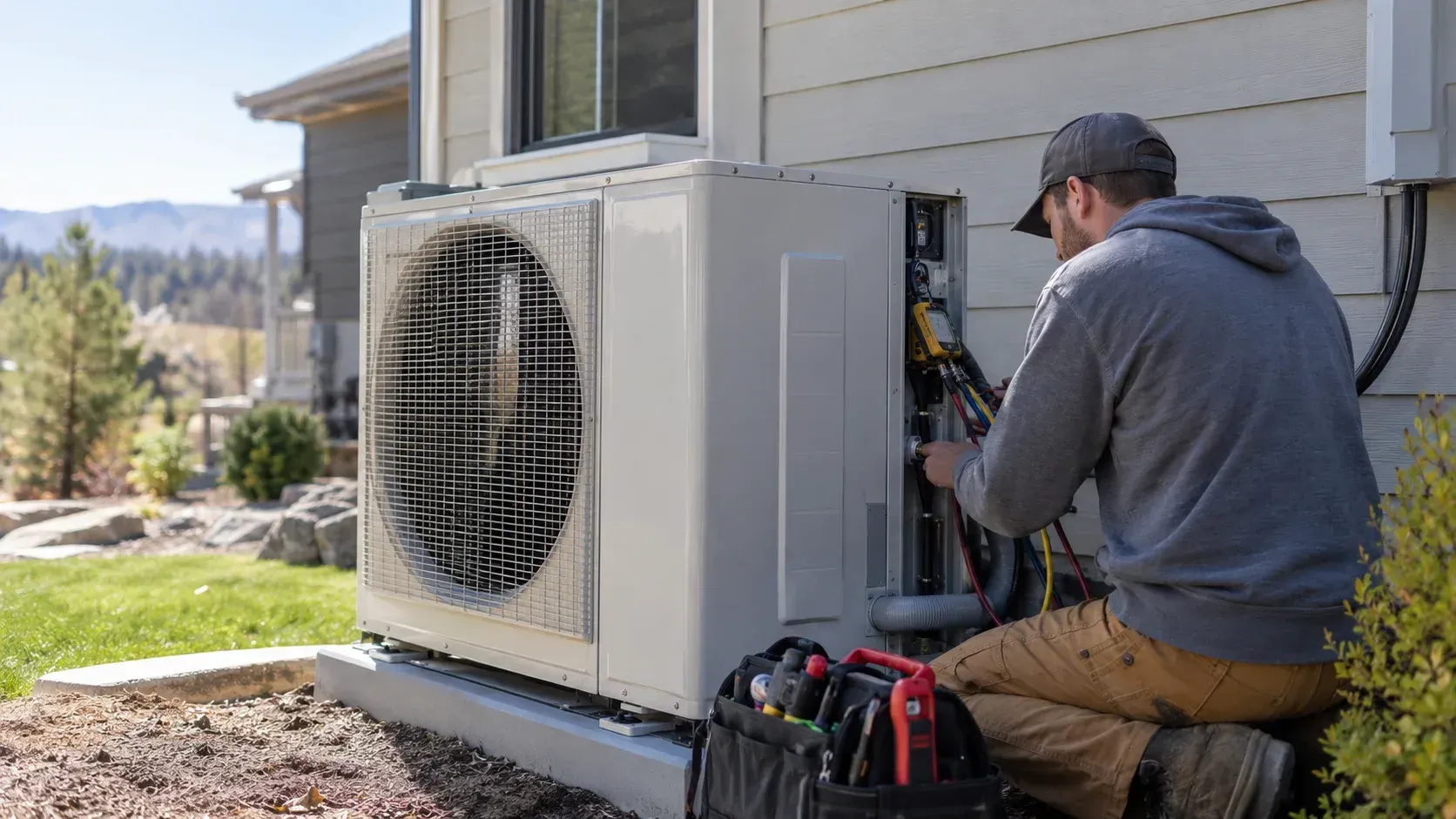
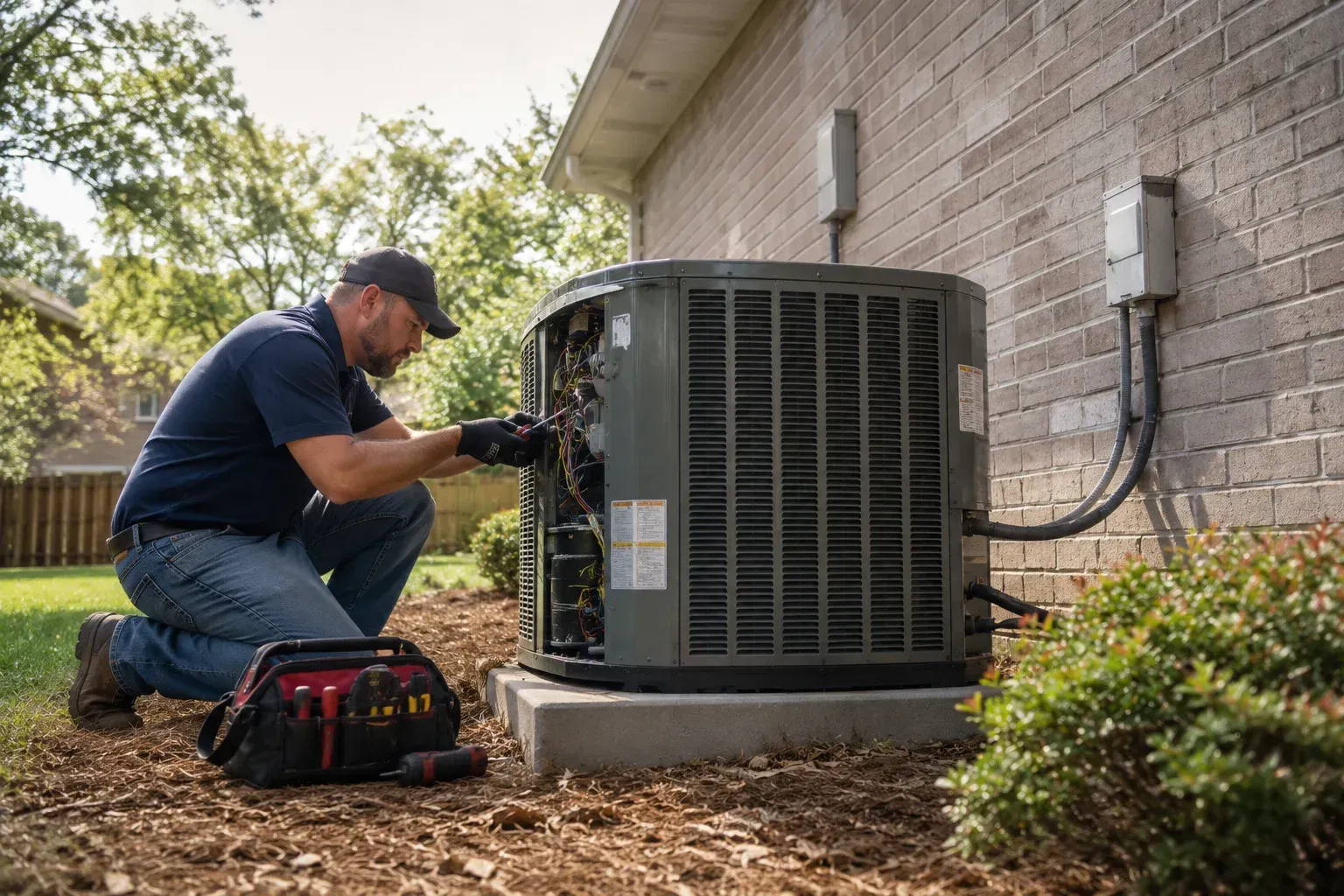
Copper Pipes in HVAC Systems
Copper's reliability in HVAC systems spans centuries, making it an ideal choice for conveying water and refrigerant. Copper pipes play a crucial role in air conditioning units, facilitating refrigerant transfer and ensuring efficient cooling.
They are also vital in air duct systems, maintaining indoor air quality by distributing conditioned air. Understanding copper pipes' significance in HVAC systems underscores their durability and reliability, ensuring optimal performance and indoor air quality.
Factors Affecting The Lifespan of Copper Pipes
The endurance of copper pipes hinges upon a multitude of factors, each playing a pivotal role in shaping the lifespan of these indispensable conduits:
- Water Quality:
The quality of the water flowing through your pipes is a fundamental determinant of their longevity. High mineral content in hard water can lead to mineral buildup within the pipes, hastening wear and tear over time. Additionally, factors such as pH levels and the presence of corrosive agents can exacerbate deterioration, underscoring the importance of water quality management in preserving copper pipe integrity. - Installation Quality:
The manner in which copper pipes are installed is paramount to their enduring performance. Precision in soldering joints and ensuring adequate support are critical aspects of installation. Even minor lapses in craftsmanship can precipitate leaks and premature failure, underscoring the necessity of meticulous installation practices by qualified professionals. - Corrosion Resistance:
While copper is renowned for its inherent resistance to corrosion, it is not impervious to environmental factors that can compromise its integrity. Elevated chlorine levels in water, exposure to aggressive chemicals, and atmospheric conditions can accelerate corrosion processes, diminishing the lifespan of copper pipes. Employing corrosion-resistant coatings or implementing protective measures can mitigate these risks and extend the service life of copper piping systems. - Age and Maintenance:
Like all materials, copper pipes undergo natural degradation over time. However, proactive maintenance measures can significantly prolong their operational lifespan. Regular inspections, prompt repair of any detected issues, and adherence to recommended maintenance schedules are essential for mitigating the effects of aging and ensuring the continued functionality of copper pipes for years to come.
By comprehensively addressing these factors and implementing proactive maintenance strategies, homeowners can optimize the longevity and performance of their copper piping systems within HVAC and plumbing infrastructure.
Through diligent attention to water quality, meticulous installation practices, corrosion prevention measures, and ongoing maintenance, the enduring reliability of copper pipes can be safeguarded, providing sustained functionality and peace of mind for residential and commercial applications alike.
Ensuring the Longevity of Copper Pipes in Your Home
Copper pipes, when maintained properly, boast a commendable lifespan ranging from 20 to 50 years or more. However, this estimate is subject to variation based on several factors, including environmental conditions, maintenance practices, and the demands of daily usage.
Signs of Aging:
Detecting signs of wear and tear in copper pipes necessitates vigilant observation:
- Visible Corrosion:
Keep an eye out for green or blue stains on pipes and fittings, indicative of corrosion. - Frequent Leaks:
An uptick in leaks may foreshadow impending pipe failure and warrants immediate attention. - Diminished Water Pressure:
Reduced water pressure can signal mineral accumulation or corrosion-induced constriction within pipes, signaling potential issues.
Maintenance Tips:
Adhering to proactive maintenance measures is essential for preserving the longevity of copper pipes:
- Regular Inspections:
Conduct routine assessments of your plumbing system to catch emerging issues before they escalate into major problems. - Water Quality Monitoring:
Employ periodic water quality testing to identify any adverse trends that could compromise pipe integrity. - Expert Installation:
Ensure that pipe installation is entrusted to qualified professionals to minimize the risk of installation-related complications. - Proactive Measures:
Consider integrating water softeners or filtration systems into your plumbing setup to enhance water quality and mitigate mineral deposition, thereby safeguarding the integrity of copper pipes.
By adopting these maintenance protocols and remaining vigilant to signs of aging, homeowners can prolong the lifespan of copper pipes in their homes, ensuring reliable plumbing performance for years to come.
Conclusion
Copper pipes epitomize the nexus of reliability and functionality in residential plumbing systems, yet their durability is not absolute. By comprehending the factors influencing their lifespan and embracing proactive maintenance measures, homeowners can ensure the sustained efficacy of their plumbing infrastructure.
Should indications of pipe degradation arise, prompt consultation with a certified plumber can elucidate remedial avenues, safeguarding the integrity of your plumbing system for years to come.
Discover Reliable HVAC Solutions Today with Silas Heating & Cooling!
Are you facing HVAC concerns in Horton, Alabama, or neighboring areas like Blount County, Albertville, Boaz, Guntersville, and Fort Payne? Your search ends here! With extensive experience serving both residential and commercial clients, Silas Heating & Cooling is your trusted partner for all HVAC needs. From emergency services like HVAC repairs to routine maintenance and installations, our skilled technicians deliver prompt and professional service. We understand the significance of a well-functioning HVAC system, particularly in Alabama's climate, and we're dedicated to ensuring your year-round comfort.
Don't endure HVAC disruptions any longer.
Reach out to us today for dependable air conditioning service and tailored HVAC solutions. With our unwavering commitment to excellence and customer satisfaction, you can rely on us to keep your HVAC units operating smoothly. Schedule your service now to experience the Silas Heating & Cooling difference!
Frequently Asked Questions
What is the typical lifespan of copper pipes in a residential plumbing system?
Copper pipes can endure for 20 to 50 years or more under optimal conditions. However, various factors such as water quality, installation quality, corrosion, and maintenance practices can impact their longevity.
How do I know if my copper pipes are nearing the end of their lifespan?
Signs of aging in copper pipes include visible corrosion, frequent leaks, and diminished water pressure. Green or blue stains on pipes, increasing incidence of leaks, and reduced water pressure are indicative of potential issues.
Can copper pipes corrode, and if so, how can I prevent it?
While copper is resistant to corrosion, exposure to certain environmental factors or aggressive chemicals can accelerate corrosion processes. Employing corrosion-resistant coatings, monitoring water quality, and implementing protective measures can help prevent corrosion and prolong the lifespan of copper pipes.
What maintenance practices can I adopt to extend the lifespan of my copper pipes?
Regular inspections, water quality monitoring, and timely repair of any detected issues are essential for preserving the longevity of copper pipes. Additionally, ensuring expert installation and considering proactive measures such as water softeners or filtration systems can help mitigate potential issues and extend the lifespan of copper pipes.
When should I consider replacing my copper pipes?
If your copper pipes exhibit significant corrosion, frequent leaks, or a noticeable decline in water pressure, it may be time to consider replacement. Consulting with a certified plumber, with years of experience in heating & air conditioning, can help assess the condition of your pipes and determine the best course of action.
Are there any risks associated with aging copper pipes?
Aging copper pipes can pose risks such as leaks, reduced water quality, and potential damage to property due to water damage. Addressing signs of aging promptly through regular maintenance and timely repairs can mitigate these risks and prolong the lifespan of copper pipes. Additionally, inquire about warranty options for new installations to ensure peace of mind and protection against unforeseen issues.
Related Posts