What is SEER? Understanding HVAC Energy Efficiency Ratings
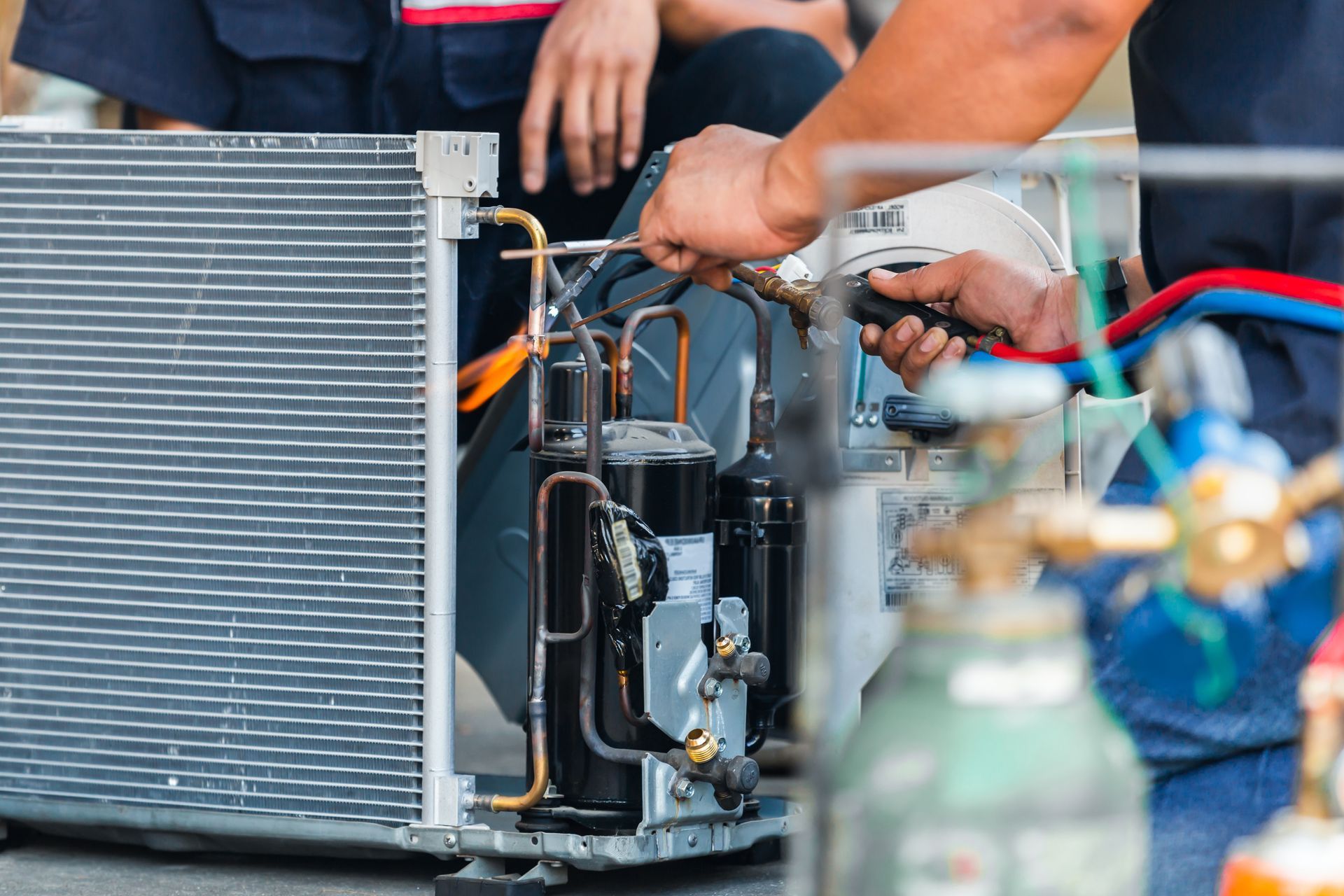
Dive into the world of HVAC systems with our detailed explanation of SEER (Seasonal Energy Efficiency Ratio) ratings and their importance. This blog breaks down how SEER ratings are calculated and what they mean for your home’s energy consumption and utility costs.
Learn about the latest standards for energy efficiency in HVAC systems and get tips on choosing the right SEER rating to maximize comfort while minimizing expenses. Perfect for anyone looking to upgrade or install a new air conditioning system.
What is SEER?
SEER, known as Seasonal Energy Efficiency Ratio, represents the benchmark for assessing the efficiency of air conditioning and HVAC services. This metric is derived by dividing the total cooling output (measured in BTUs) by the total electrical energy input (measured in watt-hours) throughout an entire cooling season.
In essence, SEER encapsulates the unit's prowess in delivering cooling comfort per unit of energy consumed. It's a fundamental gauge in evaluating the efficacy of cooling systems and optimizing HVAC services for homes and businesses alike.
Deciphering SEER Ratings
SEER ratings span a spectrum from 13 to 25, with higher numbers signifying superior energy efficiency. Mandated by the U.S. Department of Energy, minimum SEER requirements dictate the baseline efficiency standards for new HVAC installations.
Opting for a higher SEER-rated system promises not only lower energy bills but also reduced environmental impact, courtesy of decreased energy consumption and emissions..
Factors Influencing SEER Ratings
Numerous elements converge to shape the SEER rating of an HVAC system:
- Equipment Efficiency:
Technological strides in compressor design and refrigerants propel advancements in system efficiency, ultimately leading to higher SEER ratings for contemporary models of cooling systems and air-conditioning units. - Size and Capacity:
Proper sizing and alignment of HVAC equipment with the unique requirements of a residence or commercial space are essential for optimizing efficiency and ensuring comfort. Both oversized and undersized units compromise performance and efficiency. - Installation Precision:
The meticulous installation performed by seasoned professionals is vital for unlocking the full efficiency potential of HVAC units. Substandard installations can result in air leaks, restricted airflow, and diminished efficiency, necessitating frequent HVAC repair. - Climate Considerations:
While SEER ratings follow standardized protocols, actual performance is subject to regional climate variations, humidity levels, and usage patterns. Tailoring HVAC solutions to specific climates and power solutions is paramount for optimal efficiency and performance in diverse environments.
Understanding the Importance of SEER
Comprehending the intricacies of SEER ratings enables homeowners to make informed decisions regarding their HVAC systems and indoor air quality. While opting for higher SEER-rated systems may necessitate a larger initial investment, the long-term advantages in terms of energy savings and environmental stewardship far outweigh the upfront costs.
Moreover, energy-efficient HVAC systems not only contribute to improved indoor comfort and air quality but also provide peace of mind with enhanced warranty coverage. By prioritizing SEER ratings and addressing HVAC needs such as air conditioning service, air duct maintenance, and air filter replacements, homeowners can optimize their HVAC systems for maximum efficiency and longevity.
Conclusion
SEER emerges as a linchpin in the quest for HVAC energy efficiency. Armed with a nuanced understanding of SEER and its implications, homeowners navigate the labyrinth of HVAC options with clarity and confidence.
When contemplating HVAC upgrades or replacements, seeking counsel from HVAC experts facilitates the selection of an optimal system tailored to the unique needs of the home. In the realm of energy-efficient living, SEER stands as a beacon of promise, illuminating the path towards sustainable comfort and prosperity.
Schedule Your HVAC Service Today with Silas Heating & Cooling!
Concerned about SEER ratings and energy efficiency in Horton, Alabama, or nearby areas like Blount County, Albertville, Boaz, Guntersville, and Fort Payne? Silas Heating & Cooling specializes in high-SEER HVAC solutions for both residential and commercial properties. From energy-efficient system upgrades and new installations to repairs and routine maintenance, our technicians focus on maximizing performance while reducing energy costs. In Alabama’s demanding climate, proper SEER-rated systems are critical for consistent comfort and long-term savings.
Stop wasting energy on inefficient HVAC systems. Trust Silas Heating & Cooling for SEER-focused air conditioning services and customized HVAC solutions built for efficiency and reliability. Our commitment to quality ensures your system runs smarter, longer, and more cost-effectively year-round. Experience the Silas Heating & Cooling difference with high-efficiency HVAC solutions designed for comfort and savings.
Frequently Asked Questions
What does SEER stand for?
SEER stands for Seasonal Energy Efficiency Ratio. It's a measure used to evaluate the efficiency of air conditioners and heat pumps.
How is SEER calculated?
SEER is calculated by dividing the total cooling output (measured in BTUs) by the total electrical energy input (measured in watt-hours) over an entire cooling season. This ratio determines the unit's efficiency in delivering cooling comfort per unit of energy consumed.
Why is SEER important?
SEER is important because it helps homeowners understand the efficiency of their HVAC systems. Higher SEER ratings indicate greater energy efficiency, which can lead to lower energy bills and reduced environmental impact.
What is considered a good SEER rating?
A good SEER rating typically falls between 13 and 25. The higher the SEER rating, the more energy-efficient the HVAC system is.
How can I improve the SEER rating of my HVAC system?
There are several ways to improve the SEER rating of your HVAC system, including upgrading to a newer, more efficient model, ensuring proper sizing and installation, regular maintenance, and optimizing airflow by cleaning air filters and ducts.
Are there any incentives for purchasing high-SEER-rated HVAC systems?
Some utility companies and government agencies offer incentives or rebates for purchasing high-SEER-rated HVAC systems. These incentives aim to encourage homeowners to invest in energy-efficient equipment and reduce energy consumption.
What factors affect SEER ratings?
Several factors can influence SEER ratings, including equipment efficiency, size and capacity of the HVAC system, precision of installation, and climate considerations such as humidity levels and usage patterns. Understanding these factors can help homeowners make informed decisions about their HVAC systems.
Related Posts