How AC for Home Systems Work and What to Consider Before Installing One
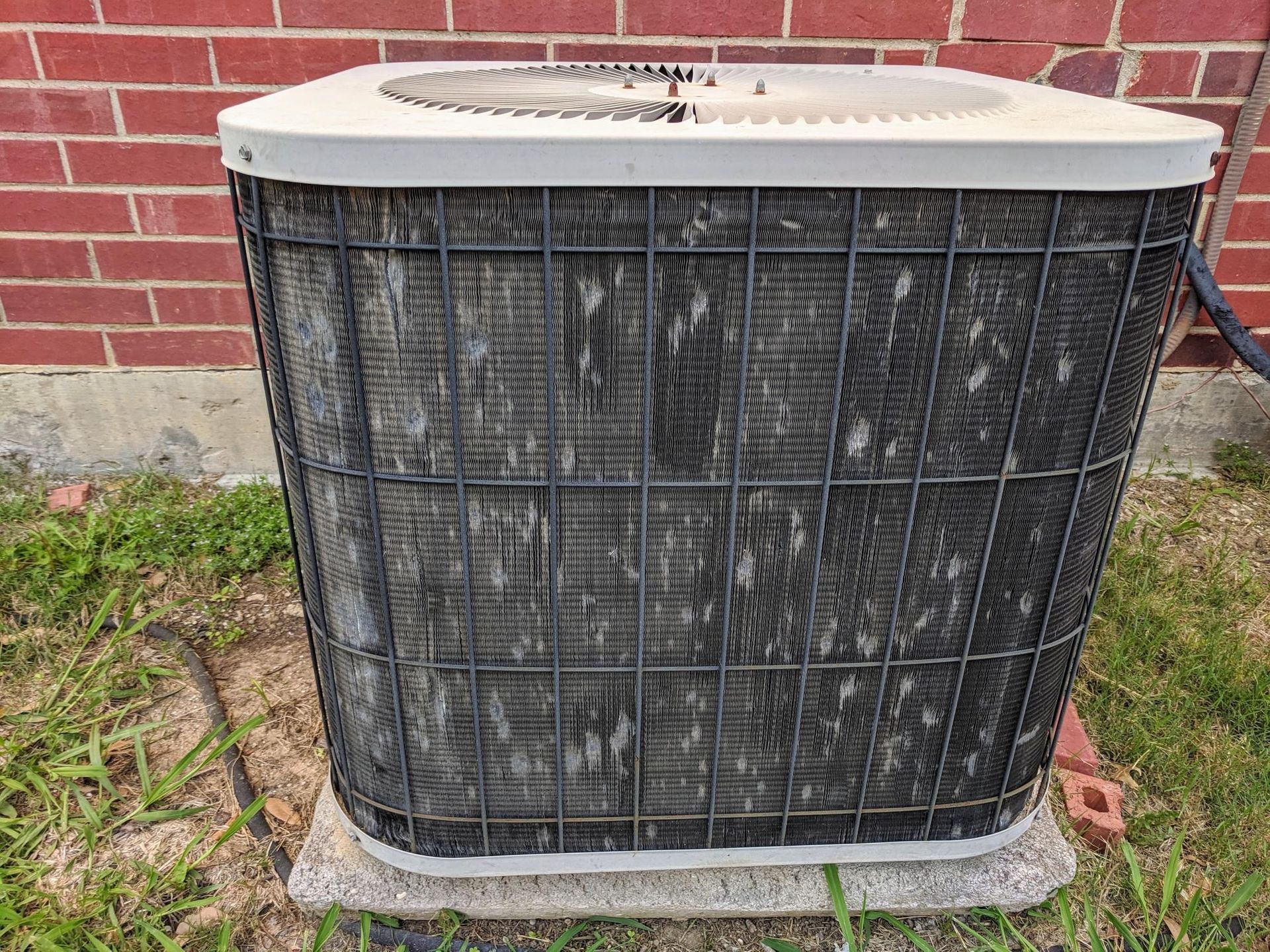
Table of Contents
- Introduction
- How AC for Home Systems Work
- Core Components of Residential Air Conditioning
- The Cooling Cycle Explained
- How Air Is Distributed Throughout the Home
- Types of AC for Home Systems
- Energy Efficiency and Performance Ratings
- Sizing an AC System for Your Home
- Climate Considerations in Horton, AL
- Installation Factors That Affect Performance
- Maintenance, Lifespan, and Operating Limits
- Conclusion
- Book AC Installation Guidance
- Frequently Asked Questions
Key Takeaways
- AC for home systems cool indoor air by removing heat and humidity through a controlled refrigeration cycle.
- Different residential air conditioning system types suit different home layouts, budgets, and usage patterns.
- Proper sizing and efficiency ratings play a major role in comfort, energy use, and system strain.
- Climate, insulation, and airflow all affect how well a system performs after installation.
- Understanding limitations and maintenance needs helps homeowners make informed, realistic decisions.
Introduction
AC for home systems work by removing heat and moisture from indoor air and redistributing cooled air throughout the house using a mechanical refrigeration process. This topic matters to homeowners in Horton, AL because cooling systems affect comfort, energy use, and long-term operating costs, especially in warm and humid climates. Understanding how residential air conditioning functions—and what factors influence installation decisions—helps property owners evaluate options based on facts rather than assumptions.
If you’re curious about the HVAC installation timeline, reviewing it early can help you plan effectively for your home air conditioning system.
How AC for Home Systems Work
Home air conditioning systems are designed to manage indoor temperature and humidity by transferring heat from inside the home to the outdoors. Rather than creating cold air, these systems move heat using pressure changes and refrigerant. Most residential air conditioning systems rely on a closed-loop process that continuously cycles refrigerant through indoor and outdoor components.
This process allows the system to absorb heat indoors and release it outside in a controlled and repeatable way.
Core Components of Residential Air Conditioning
Indoor Evaporator Coil
The evaporator coil absorbs heat from indoor air. Warm air passes over the coil, and the refrigerant inside the coil captures that heat as it evaporates.
Outdoor Condenser Unit
The condenser releases collected heat outdoors. As the refrigerant condenses back into a liquid, the heat is expelled into the surrounding air.
Compressor
The compressor circulates refrigerant between indoor and outdoor units while increasing pressure to support heat transfer.
Expansion Device
This component controls refrigerant flow and reduces pressure before the refrigerant enters the evaporator coil.
Air Handler and Blower
The air handler moves air across the evaporator coil and distributes cooled air through ductwork or direct vents.
The Cooling Cycle Explained
The cooling cycle begins when warm indoor air is pulled into the system. Heat transfers from the air to the refrigerant inside the evaporator coil. The refrigerant then moves to the compressor, where pressure increases. From there, the refrigerant flows to the condenser, where heat is released outdoors. The refrigerant cools, changes state, and returns to the indoor coil to repeat the process.
This cycle runs continuously until the thermostat signals that the desired temperature is reached.
How Air Is Distributed Throughout the Home
Most home air conditioning systems rely on ductwork to deliver cooled air to different rooms. Supply ducts carry conditioned air from the system, while return ducts pull warmer air back for cooling. Airflow balance matters.
Restricted ducts, leaks, or poor layout can reduce efficiency and lead to uneven temperatures. In some residential air conditioning setups, ductless systems deliver air directly to specific zones without centralized ducts.
Types of AC for Home Systems
Central Air Conditioning
Central systems use ductwork to cool the entire home from a single indoor and outdoor unit. These systems are common in larger homes with existing ducts.
Ductless Mini-Split Systems
Mini-splits provide zoned cooling without ductwork. Each indoor unit serves a specific area, which can be useful for additions or homes without ducts.
Heat Pumps
Heat pumps provide both cooling and heating by reversing the refrigeration cycle. They are common in moderate climates and can reduce reliance on separate heating equipment.
Window and Portable Units
These systems cool individual rooms and are typically used when permanent installation is not feasible. They have limited coverage and capacity.
Energy Efficiency and Performance Ratings
Energy efficiency ratings help homeowners compare systems on a standardized basis. Common ratings include SEER (Seasonal Energy Efficiency Ratio) and EER (Energy Efficiency Ratio). Higher ratings indicate greater efficiency under specific test conditions, but real-world performance depends on installation quality, climate, and usage patterns. Efficiency alone does not determine suitability for every home.
Sizing an AC System for Your Home
System size refers to cooling capacity, not physical dimensions. An undersized system may run continuously without maintaining comfort, while an oversized system may cycle frequently and struggle with humidity control.
Proper sizing accounts for:
- Square footage
- Ceiling height
- Insulation quality
- Window placement
- Occupancy levels
Accurate load calculations help align system capacity with actual cooling needs. Learn more about proper sizing and installation in our HVAC installation guide.
Climate Considerations in Horton, AL
Horton, AL experiences warm summers with elevated humidity levels. Residential air conditioning systems in this region must manage both heat and moisture to maintain indoor comfort. Humidity control affects how cool a space feels and can influence indoor air quality. System selection and airflow design play roles in addressing local climate demands without overstressing equipment.
Installation Factors That Affect Performance
Even well-designed systems can underperform if installation factors are overlooked. Important considerations include:
- Duct sealing and insulation
- Proper refrigerant charge
- Electrical compatibility
- Outdoor unit placement
Installation quality influences efficiency, reliability, and system lifespan more than brand or feature lists alone. Review the HVAC installation timeline to understand the key steps.
Maintenance, Lifespan, and Operating Limits
Residential air conditioning systems require regular maintenance to operate as intended. Tasks such as filter replacement, coil cleaning, and airflow checks help manage wear and performance drift. Most systems have defined operating limits based on temperature range, duty cycle, and design assumptions. Understanding these limits supports realistic expectations over time.
Conclusion
AC for home systems function by transferring heat through a refrigeration cycle, supported by coordinated components and airflow design. Homeowners benefit from understanding system types, sizing principles, efficiency ratings, and installation factors before making decisions. An informed approach supports realistic expectations, responsible system selection, and long-term usability without relying on assumptions or guarantees.
Book AC Installation Guidance
For homeowners in Horton, AL seeking clarity around residential air conditioning options, Silas Heating & Cooling provides factual guidance on HVAC installation considerations. We focus on explaining system choices, limitations, and practical factors so property owners can make informed decisions based on their specific needs.
Send us an email at
ssilashvac@yahoo.com or call us at
(256) 572-9630 to schedule your AC consultation and explore the right home air conditioning systems for your house.
Frequently Asked Questions
What does “AC for home” mean?
It refers to residential air conditioning systems designed to cool indoor living spaces by removing heat and humidity.
How long does a residential air conditioning system typically last?
Lifespan varies based on usage, maintenance, climate, and installation quality rather than a fixed timeframe.
Is a higher efficiency rating always better?
Higher ratings indicate improved efficiency under test conditions, but real-world performance depends on many factors.
Can one system cool every room evenly?
Even cooling depends on airflow design, duct condition, and system sizing, not just equipment capacity.
Does installation affect system performance?
Yes. Installation quality directly influences efficiency, reliability, and how closely the system operates to its design intent.
Related Posts