How to Fix an AC Unit That Is Not Cooling Properly
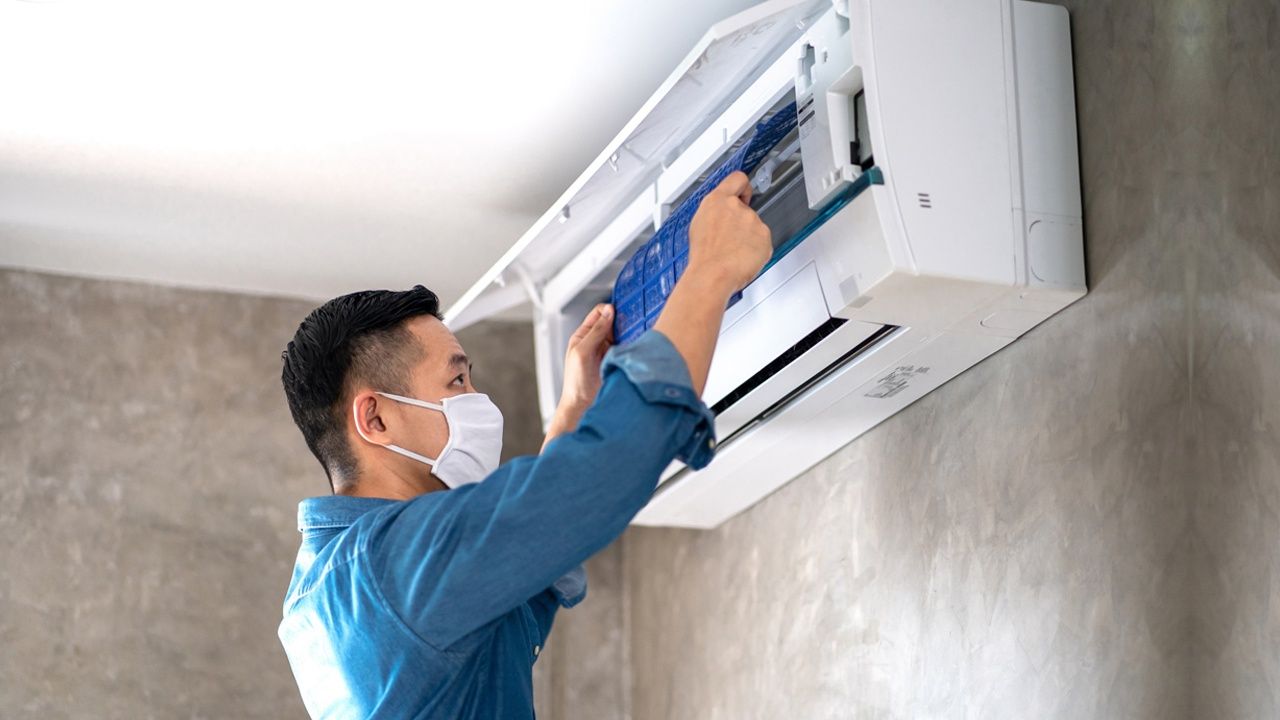
Table of Contents
- Introduction
- Common Reasons an AC Unit Is Not Cooling Properly
- How to Check Air Filters and Airflow
- Inspecting Thermostat Settings
- Understanding Refrigerant Levels and Leaks
- Checking Outdoor and Indoor Unit Obstructions
- Electrical and Mechanical Component Concerns
- When to Consider Professional HVAC Repair in Yuma, AZ
- Preventive Maintenance Tips for Home Cooling Systems
- Conclusion
- Frequently Asked Questions
Key Takeaways
- Fixing an AC unit that is not cooling properly usually starts with basic system checks.
- Airflow restrictions and dirty filters are common causes of cooling inefficiency.
- Thermostat configuration and placement can affect cooling performance.
- Refrigerant issues and mechanical faults often require professional HVAC evaluation.
- Regular maintenance helps protect cooling system performance over time.
Introduction
How to fix an AC unit that is not cooling properly starts with understanding the most common system problems and checking simple components first. Living in Yuma, AZ means cooling systems work under high heat stress, which makes routine inspection especially important.
We know that when cooling systems start failing, comfort levels drop and energy consumption may increase. In this guide, we walk through practical steps for diagnosing cooling problems in a clear and responsible way. This information is based on general HVAC maintenance practices and is meant to help homeowners make informed decisions before requesting repairs or replacing components.
Common Reasons an AC Unit Is Not Cooling Properly
Dirty Air Filters and Reduced System Efficiency
Dirty air filters are among the most frequent causes of poor cooling performance when fixing an AC unit.
Air filters trap dust, pollen, and debris. When clogged, airflow through the system becomes restricted. Restricted airflow forces the system to work harder while delivering less cool air into living spaces.
Checking filters every 30–60 days is a common maintenance practice in hotter climates like Yuma, AZ. Replacing filters regularly supports stable airflow conditions and may help prevent additional strain on cooling components.
Thermostat Communication Problems
Sometimes fixing an AC unit involves checking thermostat communication with the cooling system.
If the thermostat is not set to cooling mode or the temperature setting is higher than indoor temperature, the system may not activate properly. Battery-powered thermostats may also stop sending accurate signals when batteries weaken.
Keeping thermostat settings calibrated helps maintain expected cooling behavior when using home HVAC systems.
How to Check Air Filters and Airflow
Step 1: Inspect the Air Filter Condition
- Turn off the cooling system before opening filter compartments.
- Remove the filter and hold it up to light.
- If light does not pass through easily, airflow restriction may be present.
- Replace disposable filters or clean reusable filters according to manufacturer instructions.
Step 2: Check Air Vents and Registers
- Blocked vents can reduce cooling distribution across rooms.
- Furniture, curtains, or storage items sometimes restrict airflow from vents.
- Ensuring at least several inches of space around air registers helps maintain better air circulation.
Step 3: Inspect Ductwork for Visible Issues
- Leaking or disconnected ducts may reduce cooling efficiency.
- We can visually check accessible duct connections in attics or crawl spaces for obvious gaps.
- Sealing minor leaks with appropriate HVAC-approved materials may improve airflow consistency.
Inspecting Thermostat Settings
Verify Mode and Temperature Settings
- When fixing an AC unit that is not cooling, verify the thermostat is set to cooling or “auto” mode.
- The temperature setting should be below the current room temperature for the system to engage cooling functions.
Check Thermostat Placement
- Thermostats placed near heat sources may misread indoor temperatures.
- Direct sunlight, lamps, or kitchen heat can influence thermostat readings.
- Moving or recalibrating thermostat sensors may help maintain accurate temperature monitoring.
Understanding Refrigerant Levels and Leaks
What Refrigerant Does in Cooling Systems
Refrigerant absorbs heat from indoor air and releases it outside the home.
Low refrigerant levels can reduce cooling capacity.
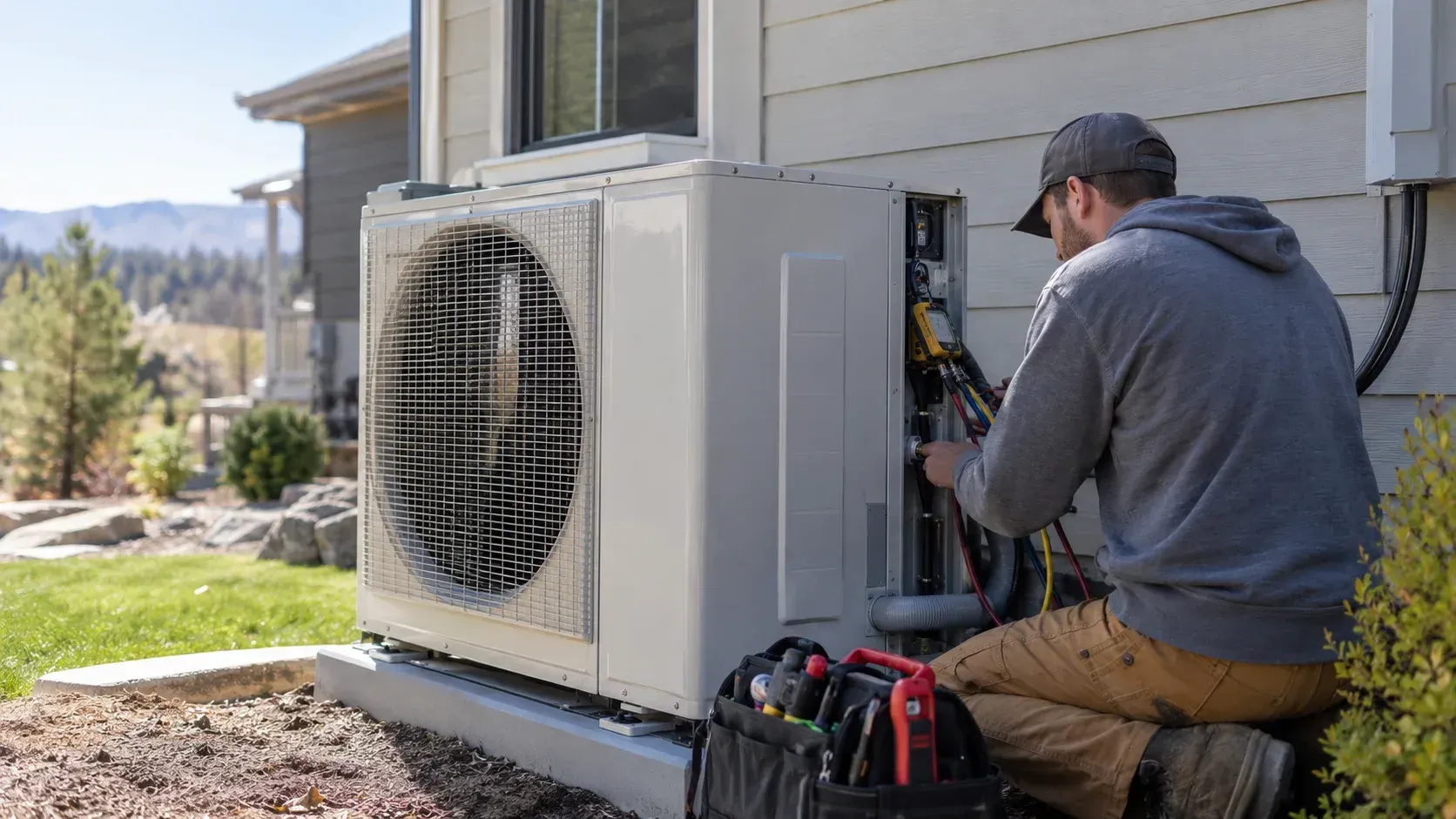
Fixing refrigerant problems typically requires specialized equipment and certified handling.
Signs of Potential Refrigerant Issues
Some indicators may include:
- Weak cool airflow from vents
- Ice forming on indoor coils
- Extended cooling cycle operation
These signs do not automatically confirm refrigerant leaks, but they can indicate the need for professional inspection.
Checking Outdoor and Indoor Unit Obstructions
Outdoor Condenser Unit Inspection
- Outdoor condenser units should have clear space around them.
- Dust, plant debris, or landscaping growth can restrict heat dissipation.
- Keeping at least 2 feet of clearance around the outdoor unit helps airflow exchange.
Indoor Evaporator Coil Conditions
Dust buildup on evaporator coils can reduce heat absorption.
Cleaning coils typically requires careful handling and proper tools. Improper cleaning may damage delicate fins.
Electrical and Mechanical Component Concerns
Capacitors and Starting Components
- Cooling systems rely on electrical components to start compressor and fan motors.
- Worn capacitors may prevent proper system startup.
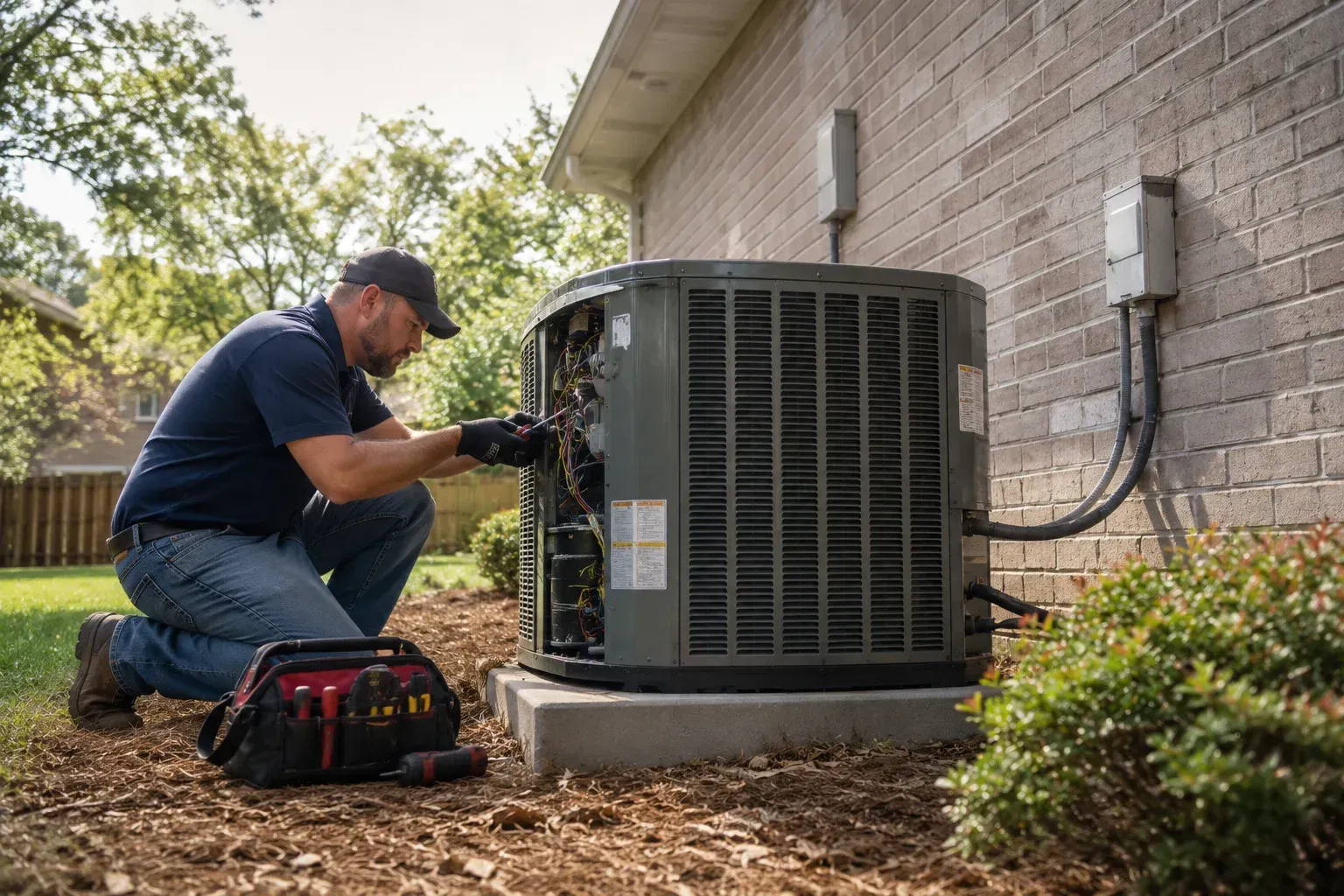
- Electrical testing is usually best performed by qualified HVAC technicians for safety reasons.
Compressor Performance Issues
- The compressor circulates refrigerant throughout the system.
- Mechanical compressor wear may result in weak cooling output or unusual operational sounds.
- Early diagnosis may help avoid larger system damage.
When to Consider Professional HVAC Repair in Yuma, AZ
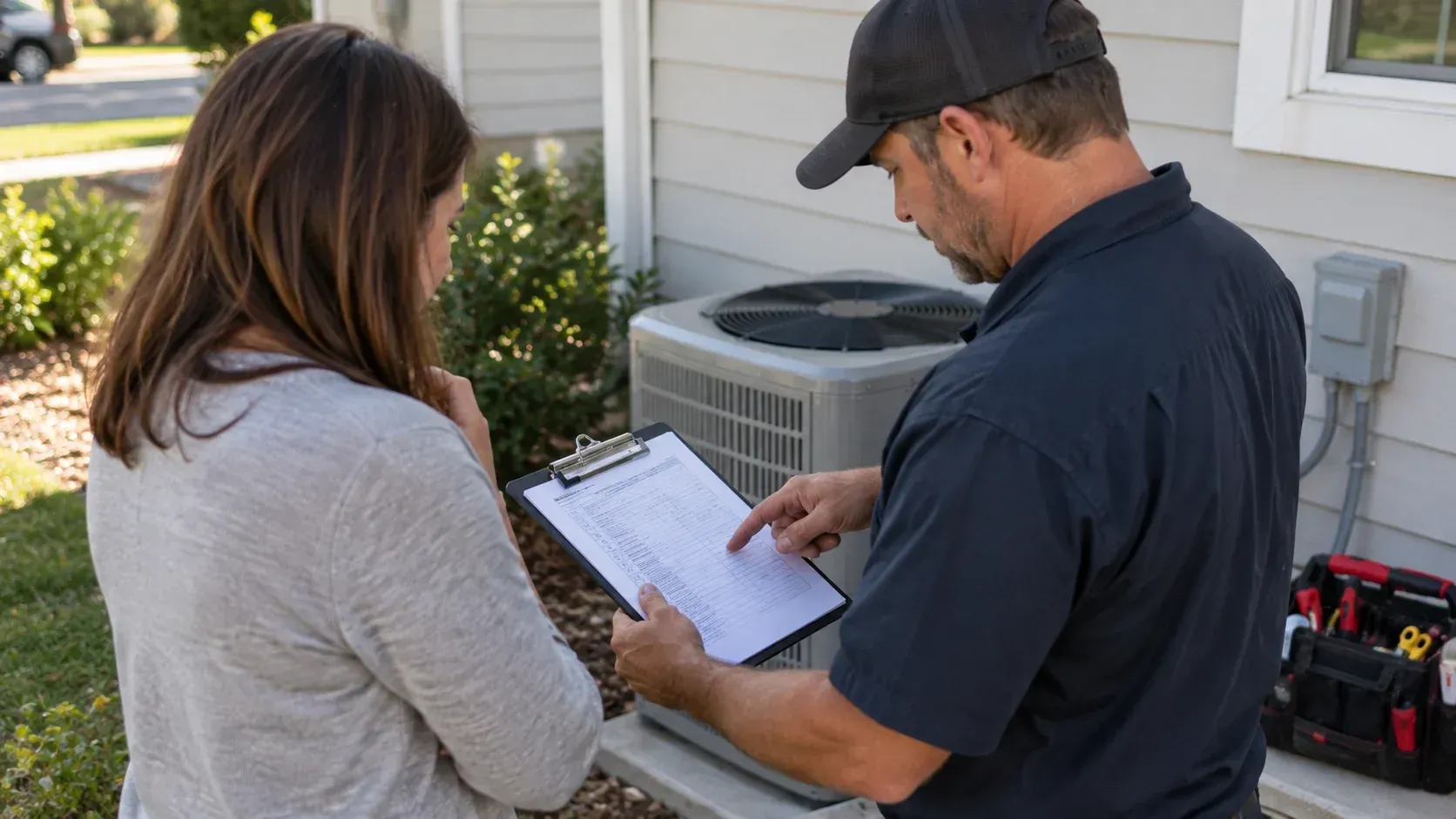
Homeowners in Yuma, AZ often rely on professional HVAC services during extreme summer heat periods.
Professional evaluation may be helpful when:
- The system is not turning on at all
- Unusual noises occur during operation
- Ice continues forming on components
- Cooling performance suddenly declines
Silas HVAC provides HVAC repair services in the local region and focuses on systematic system evaluation rather than quick temporary fixes. Call us at
(256) 572-9630 or send an email at
ssilashvac@yahoo.com to learn more.
Preventive Maintenance Tips for Home Cooling Systems
Schedule Routine System Inspections
Routine maintenance helps identify minor issues before they develop into larger problems.
Annual or seasonal inspections are common practices in high-heat climates.
Maintain Proper Outdoor Unit Environment
Trim vegetation and remove debris near condenser units.
Avoid storing items directly against exterior HVAC equipment.
Monitor Energy Usage Patterns
Sudden increases in electricity consumption can sometimes indicate cooling inefficiencies.
Tracking utility usage trends may help identify performance changes early.
Conclusion
How to fix an AC unit that is not cooling properly often begins with basic inspections of filters, airflow pathways, and thermostat settings. More complex issues may involve refrigerant levels, electrical components, or mechanical system wear.
Understanding these factors helps homeowners make informed maintenance decisions before system performance worsens. Cooling systems in Yuma, AZ face heavy workload demands, making preventive care especially important for long-term system reliability.
For more detailed system evaluation or repair guidance, homeowners may consider consulting qualified HVAC technicians to review system conditions.
Book Silas HVAC service today for professional HVAC repair guidance and diagnostic support.
Frequently Asked Questions
Why is my AC running but not cooling the house?
This may relate to airflow restrictions, dirty filters, thermostat misconfiguration, or refrigerant issues. Professional inspection can help identify specific causes.
How often should I replace my AC air filter?
Many HVAC systems benefit from filter checks every 30–60 days, especially in dusty or hot environments like Yuma, AZ.
Can low refrigerant cause an AC unit to stop cooling?
Low refrigerant can reduce cooling efficiency. Addressing refrigerant problems usually requires specialized HVAC tools and training.
Why does my AC unit freeze even when it is not cooling well?
Frozen components can indicate airflow restrictions, dirty coils, or refrigerant irregularities within the system.
When should I stop trying DIY fixes?
Stopping DIY troubleshooting is often reasonable when electrical, refrigerant, or mechanical component issues are suspected, as these typically require specialized knowledge.
Related Posts