Pros and Cons of Installing Tankless Electric Water Heaters in Your Home
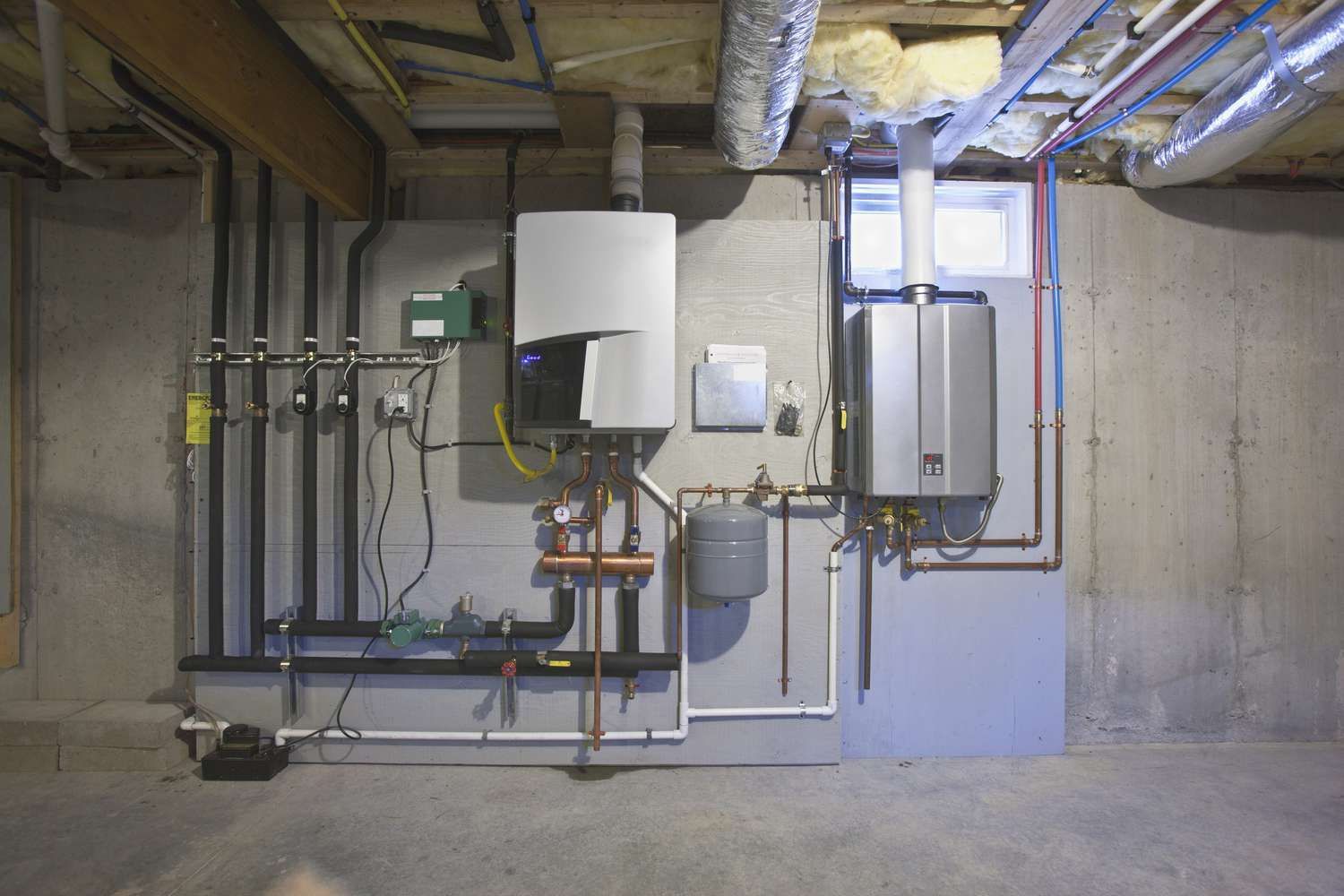
Table of Contents
- What is a Tankless Electric Water Heater?
- Pros of Installing Tankless Electric Water Heaters
- Energy Efficiency
- Space-Saving Design
- Unlimited Hot Water Supply
- Longer Lifespan
- Reduced Risk of Water Damage
- Enhanced Control and Monitoring
- Improved Indoor Air Quality
- Cons of Installing Tankless Electric Water Heaters
- Higher Initial Cost
- Complex Installation Requirements
- Inconsistent Water Temperature
- Limited Hot Water Output
- Maintenance Needs
- Potential Power Outages
- Limited Compatibility with Existing HVAC Needs
- Conclusion
- Upgrade Your Water Heating System with Expert Help—Contact Us Today!
What is a Tankless Electric Water Heater?
A tankless electric water heater, also known as an on-demand water heater, heats water directly without using a storage tank. When a hot water tap is turned on, cold water travels through a pipe into the unit, where it is heated by electric elements.
This means you get a continuous supply of hot water whenever you need it, without waiting for a storage tank to fill up. Tankless electric water heaters are part of modern heating and cooling solutions that focus on efficiency and convenience, similar to innovations in HVAC systems like heat pumps and mini splits.
Pros of Installing Tankless Electric Water Heaters
Tankless electric water heaters are a popular choice for homeowners seeking efficiency and convenience. Unlike traditional models, they heat water on demand, eliminating the need for a storage tank. This results in space savings and lower energy bills. In this section, we’ll highlight the key benefits of installing tankless electric water heaters, showcasing why they might be an excellent upgrade for your home.
- Energy Efficiency
Tankless electric water heaters are highly energy-efficient. Traditional heaters continuously maintain a tank of hot water, which can lead to heat loss and increased energy bills. Tankless systems eliminate this waste by heating water only when needed. The U.S. Department of Energy states that tankless water heaters can be 24-34% more energy-efficient than conventional storage tank heaters for households using 41 gallons or less of hot water daily. - Space-Saving Design
One of the standout features of tankless electric water heaters is their compact size. These units can be mounted on walls and fit in tight spaces, making them an excellent choice for small homes or apartments where space is at a premium. Compared to bulky tank heaters, they offer a sleek, unobtrusive design that can be easily integrated into any home setup. - Unlimited Hot Water Supply
With a tankless electric water heater, you'll never run out of hot water. Unlike traditional tanks, which can deplete their hot water reserves and require time to heat up more, tankless systems provide a continuous hot water supply. This is particularly beneficial for larger families or homes with high hot water demands. - Longer Lifespan
Tankless water heaters generally have a longer lifespan than their tank-style counterparts. While traditional heaters last about 10-15 years, tankless models can last up to 20 years or more with proper maintenance. This longevity can save you money on replacements and contribute to a more sustainable home. - Reduced Risk of Water Damage
Traditional tank heaters can leak or burst, leading to significant water damage in your home. Tankless electric water heaters minimize this risk since they don't store large volumes of water. This reduces the chances of flooding and the associated repair costs. - Enhanced Control and Monitoring
Modern tankless water heaters often come with advanced control options, allowing you to easily adjust the temperature and monitor energy usage. This integration with smart home technology offers convenience and customization that traditional heaters can't match. - Improved Indoor Air Quality
Tankless electric water heaters can contribute to improved indoor air quality. Since they don't rely on natural gas or propane, there are no combustion emissions or risks of gas leaks, enhancing the safety and air quality within your home.
Cons of Installing Tankless Electric Water Heaters
While tankless electric water heaters offer many advantages, they also come with potential drawbacks. Understanding these cons is crucial for making an informed decision about whether they're the right choice for your home. In this section, we’ll examine the potential challenges and limitations of tankless electric water heaters, so you can weigh the pros and cons effectively.
- Higher Initial Cost
One of the main drawbacks of tankless electric water heaters is their higher upfront cost. The unit price and installation can be more expensive than traditional heaters. However, the energy savings over time can offset this initial investment, making it a cost-effective choice in the long run. - Complex Installation Requirements
Installing a tankless electric water heater can be more complex than installing a traditional tank model. This complexity often necessitates hiring professional HVAC technicians, which can add to the installation cost. Additionally, homes may need upgrades to their electrical systems to accommodate the increased demand of tankless units. - Inconsistent Water Temperature
While tankless systems are designed to provide continuous hot water, they can sometimes struggle with inconsistent temperatures if multiple taps demand hot water simultaneously. This can be particularly challenging in large households with simultaneous high water usage. - Limited Hot Water Output
For larger homes or families, a single tankless unit may not be sufficient to supply hot water to multiple outlets simultaneously. In such cases, homeowners might need to install multiple units, further increasing the cost and complexity of the system. - Maintenance Needs
Although tankless water heaters have a longer lifespan, they still require regular maintenance to function efficiently. Hard water areas may need frequent descaling to prevent mineral buildup, affecting the system's efficiency. - Potential Power Outages
Tankless electric water heaters rely entirely on electricity to function. In the event of a power outage, you won't have access to hot water. This is a consideration for homes in areas prone to frequent power interruptions. - Limited Compatibility with Existing HVAC Needs
If your home has a specific HVAC system in place, integrating a tankless electric water heater may require additional adjustments to ensure compatibility with existing heating and cooling components, such as heat pumps or air conditioning units.
Conclusion
Deciding to install a tankless electric water heater involves weighing the pros and cons based on your specific needs and circumstances. These heaters offer significant energy savings, unlimited hot water, and a compact design but come with higher upfront costs and potential installation challenges. Understanding the implications of these factors, particularly in regions like Alabama, can guide homeowners in making an informed decision that aligns with their HVAC needs and household dynamics.
For those considering this investment, the long-term benefits of a tankless electric water heater can offer increased comfort, efficiency, and sustainability in your home.
Upgrade Your Water Heating System with Expert Help—Contact Us Today!
If you're considering upgrading your water heating system, Silas Heating & Cooling is ready to assist. Our expert team will evaluate your HVAC needs and recommend the best solutions, whether you’re interested in tankless electric water heaters, ductless systems, or other power solutions.
We specialize in optimizing indoor air quality and cooling systems, ensuring your heating & air conditioning setup is both efficient and reliable. Serving Horton, AL, Albertville, Boaz, Guntersville, Fort Payne, and Blount County, we provide top-notch heating and cooling services. To get started or schedule a consultation, call us at (256) 572-9630.
As your trusted HVAC contractor, we’re committed to high-quality service and keeping your home comfortable year-round.
Contact us today for a free quote and take the first step toward a more efficient and reliable water heating system.
Frequently Asked Questions
How does a tankless electric water heater compare to a traditional water heater?
Tankless electric water heaters provide on-demand hot water, making them more energy-efficient than traditional units, which continuously heat and store water. This design reduces standby heat loss and conserves energy. However, tankless systems might involve higher upfront costs and installation requirements, especially if your current setup needs modifications for compatibility with a new thermostat or cooling system.
Are tankless electric water heaters suitable for large households?
Tankless units can handle high demand but may struggle with simultaneous use in large households. In such cases, additional units or a more robust heating & air conditioning system may be necessary to maintain consistent water temperatures. For households with significant hot water needs, considering ductless or budget heating and cooling options might be beneficial.
Can I install a tankless electric water heater myself?
Due to the complexity of installation and potential electrical upgrades, professional HVAC technicians are recommended for installing tankless electric water heaters. They ensure proper setup, compliance with local codes, and integration with your existing HVAC system, including any necessary updates to your thermostat and cooling system.
How do tankless electric water heaters impact my utility bills?
Tankless electric water heaters can reduce utility bills by eliminating standby heat loss and heating water only as needed. The impact on your bills will depend on your household's hot water usage and local energy rates. Over time, these systems can offer significant savings, especially when paired with efficient heating & air conditioning and budget heating and cooling solutions.
What maintenance does a tankless electric water heater require?
Regular maintenance is crucial for tankless systems to ensure efficient operation and extend their lifespan. This includes descaling to prevent mineral buildup in hard water areas, as well as annual inspections to check system performance and indoor air quality. Proper maintenance helps keep your heating & air conditioning system, including your tankless heater, running smoothly and efficiently.
Related Posts