Whole Home Surge Protector Cost
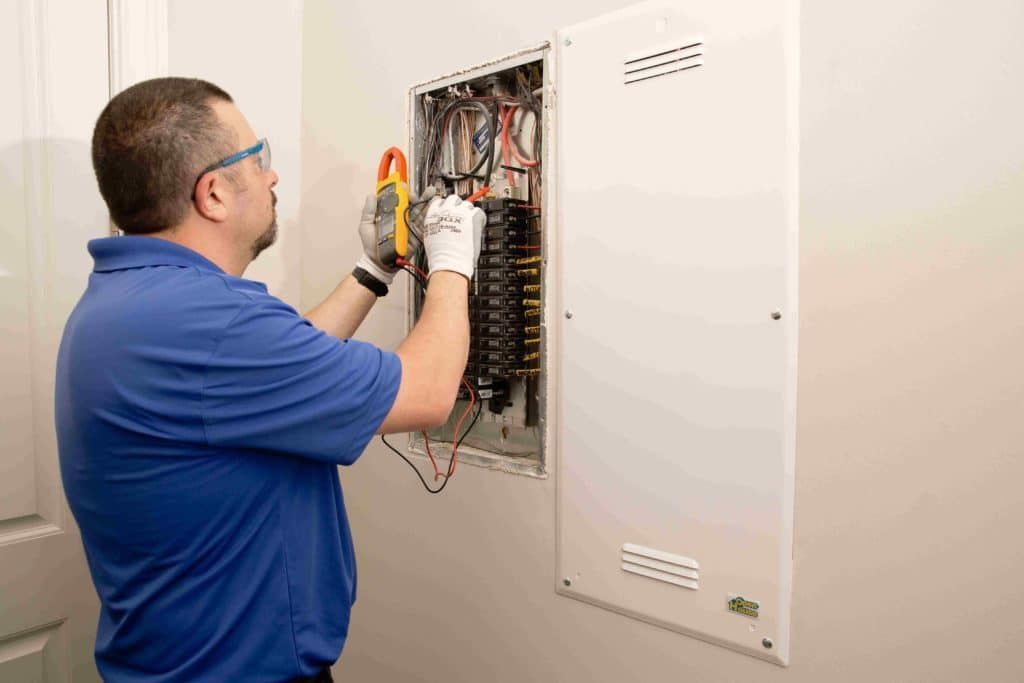
Table of Contents
- What Is a Whole Home Surge Protector?
- Benefits of Whole Home Surge Protectors
- Cost of Whole Home Surge Protectors
- Is It a Smart Investment?
- Installation Considerations
- Conclusion
- Ready to Protect Your Home with a Whole Home Surge Protector?
What Is a Whole Home Surge Protector?
A whole home surge protector is a device installed directly at your electrical panel to protect all the appliances and electronics in your home from electrical surges.
Unlike point-of-use surge protectors, which only safeguard individual devices, a whole home surge protector offers comprehensive protection by intercepting surges before they enter your home’s electrical system. This type of protection is crucial for maintaining the longevity of your HVAC system, air conditioning units, and other sensitive electronics.
Benefits of Whole Home Surge Protectors
- Comprehensive Protection:
A whole home surge protector shields all your electrical devices and appliances, including HVAC systems, air conditioning units, and other high-value electronics. This protection extends to devices that might not be covered by individual surge protectors. - Prevents Damage:
By mitigating the impact of power surges, a whole home surge protector reduces the risk of damage to sensitive electronics like computers, televisions, and home automation systems. This can prevent costly repairs or replacements, making it a wise investment for homeowners with valuable electronics. - Enhances Safety:
Surge protectors help prevent electrical fires caused by surges or faulty wiring. By stabilizing your home’s power supply, they contribute to a safer living environment. - Increases Property Value:
Installing a whole home surge protector can be a selling point for prospective buyers who prioritize comprehensive home protection. It signals that the home has been equipped with advanced safety features. - Peace of Mind:
Knowing that your entire electrical system is protected from unexpected surges provides peace of mind, ensuring that your home’s electrical infrastructure, including heat pumps and mini-splits, remains secure.
Cost of Whole Home Surge Protectors
The cost of installing a whole home surge protector can vary based on several factors:
- Type of Surge Protector:
Basic models typically range from $200 to $500. These models offer standard protection and are suitable for most homes. Advanced models with higher protection ratings, additional features, or built-in monitoring systems can range from $500 to $1,200 or more. - Installation Fees:
Professional installation by a licensed HVAC contractor or electrician is recommended to ensure proper setup and integration with your home’s electrical system. Installation typically costs between $150 and $300, but this can vary based on your location, such as Horton, AL, or other areas like Albertville and Boaz. - Electrical Panel Upgrades:
In some cases, your electrical panel may need an upgrade to accommodate the surge protector. This upgrade can add $500 to $1,500 to the total cost. Electrical panel upgrades ensure that your home’s wiring can handle the additional equipment. - Additional Features:
Surge protectors with features like real-time monitoring, advanced warranty coverage, or integration with smart home systems may have higher upfront costs. However, these features can offer added convenience and protection.
Is It a Smart Investment?
To determine if a whole home surge protector is a smart investment for your home, consider the following factors:
- Value of Your Electronics:
If you have high-value electronics or appliances, such as advanced HVAC systems or home theater setups, the protection offered by a surge protector can save you from costly repairs or replacements. - Frequency of Power Surges:
Homes in areas prone to frequent lightning storms or unstable power grids, like those in Guntersville or Fort Payne, will benefit more from a whole home surge protector. It provides peace of mind during electrical disturbances. - Home Insurance:
Check with your insurance provider to see if surge damage is covered under your policy. Even if your policy covers some surge-related damage, installing a surge protector can prevent potential claims and reduce overall risk. - Long-Term Savings:
The initial cost of a surge protector can be offset by the potential savings on repairs and replacements of damaged electronics. By preventing damage, you can avoid expensive out-of-pocket costs in the future.
Installation Considerations
When installing a whole home surge protector, it’s essential to:
- Choose the Right Protector:
Ensure the surge protector you select is suitable for your home’s electrical system and meets the necessary safety standards. Consult with a professional to choose the right model for your needs. - Hire a Licensed Electrician:
Proper installation is crucial for effectiveness and safety. Hire a qualified electrician or HVAC contractor with years of experience to handle the installation and any necessary electrical panel upgrades. - Regular Maintenance:
Although surge protectors are designed to be durable, periodic inspections and maintenance can ensure continued protection. Regular checks can help identify any issues early and ensure that the device is functioning properly.
Conclusion
Investing in a whole home surge protector is a proactive step in safeguarding your home’s electrical system and valuable electronics. While the initial cost may seem high, the potential savings from preventing damage, combined with the enhanced safety and peace of mind, can make it a wise investment. Evaluate your home’s needs, consider the cost-benefit balance, and consult with a licensed electrician or HVAC contractor to determine the best surge protection solution for your home.
By protecting your electrical infrastructure, including heat pumps and mini-splits, you ensure that your home remains safe and your appliances stay in top condition.
Ready to Protect Your Home with a Whole Home Surge Protector?
Investing in a whole home surge protector is a proactive way to safeguard your valuable electronics and ensure the longevity of your HVAC units. At Silas Heating & Cooling, we understand the importance of protecting your home from unexpected electrical surges.
Whether you're in need of HVAC installation, maintenance, or repair services, our team is here to help. With years of experience in providing power solutions and comprehensive heating and cooling services, we’re your trusted HVAC contractor in Horton, AL, and the surrounding areas including Albertville, Boaz, Guntersville, Fort Payne, and Blount County.
Contact us today at (256) 572-9630 to schedule your free quote or discuss your HVAC needs. Let us help you choose the right whole home surge protector and ensure your home’s electrical system remains secure.
Trust Silas Heating & Cooling for all your heating and air needs, including heat pumps and mini-splits, and enjoy the peace of mind that comes with top-quality protection and service.
Frequently Asked Questions
What is a whole home surge protector?
A whole home surge protector is a device installed at your home's electrical panel to safeguard your entire electrical system and connected appliances from power surges. These surges can arise from lightning strikes, power outages, or other electrical issues. By diverting excess voltage, the surge protector helps protect your HVAC system, air conditioning units, and other essential components from damage.
How much does a whole home surge protector cost?
The cost of a whole home surge protector typically ranges between $300 and $800, depending on its capacity and the size of your home. This cost includes both the surge protector unit and professional installation. In Alabama, including areas like Horton, AL, and Albertville, having a surge protector installed can help protect your HVAC services, heat pumps, and air conditioners from potential damage.
Is a whole home surge protector worth the investment?
Absolutely. Investing in a whole home surge protector is a wise decision as it offers comprehensive protection for your home’s electrical system, including your HVAC system and air conditioning units. By preventing potential damage, a surge protector can help you avoid costly repairs and replacements, making it a smart investment for safeguarding your HVAC needs and maintaining air quality.
Can a whole home surge protector be installed in any home?
Generally, a whole home surge protector can be installed in most homes, including those in areas like Guntersville and Fort Payne. It’s important to consult with a professional HVAC contractor or electrician to ensure that your electrical panel is compatible with the surge protector. They will assess your home's electrical system to determine the best solution for your HVAC system and air conditioning service needs.
How often should a whole home surge protector be replaced?
Whole home surge protectors are built to last, but their effectiveness can diminish over time due to frequent surges. It's advisable to have your surge protector inspected during regular HVAC maintenance or emergency service calls. In general, replacing the surge protector every 5 to 10 years is recommended, or sooner if it shows signs of wear, to ensure continued protection for your air ducts, air filters, and other critical systems.
Related Posts