Signs It's Time for a New HVAC Installation
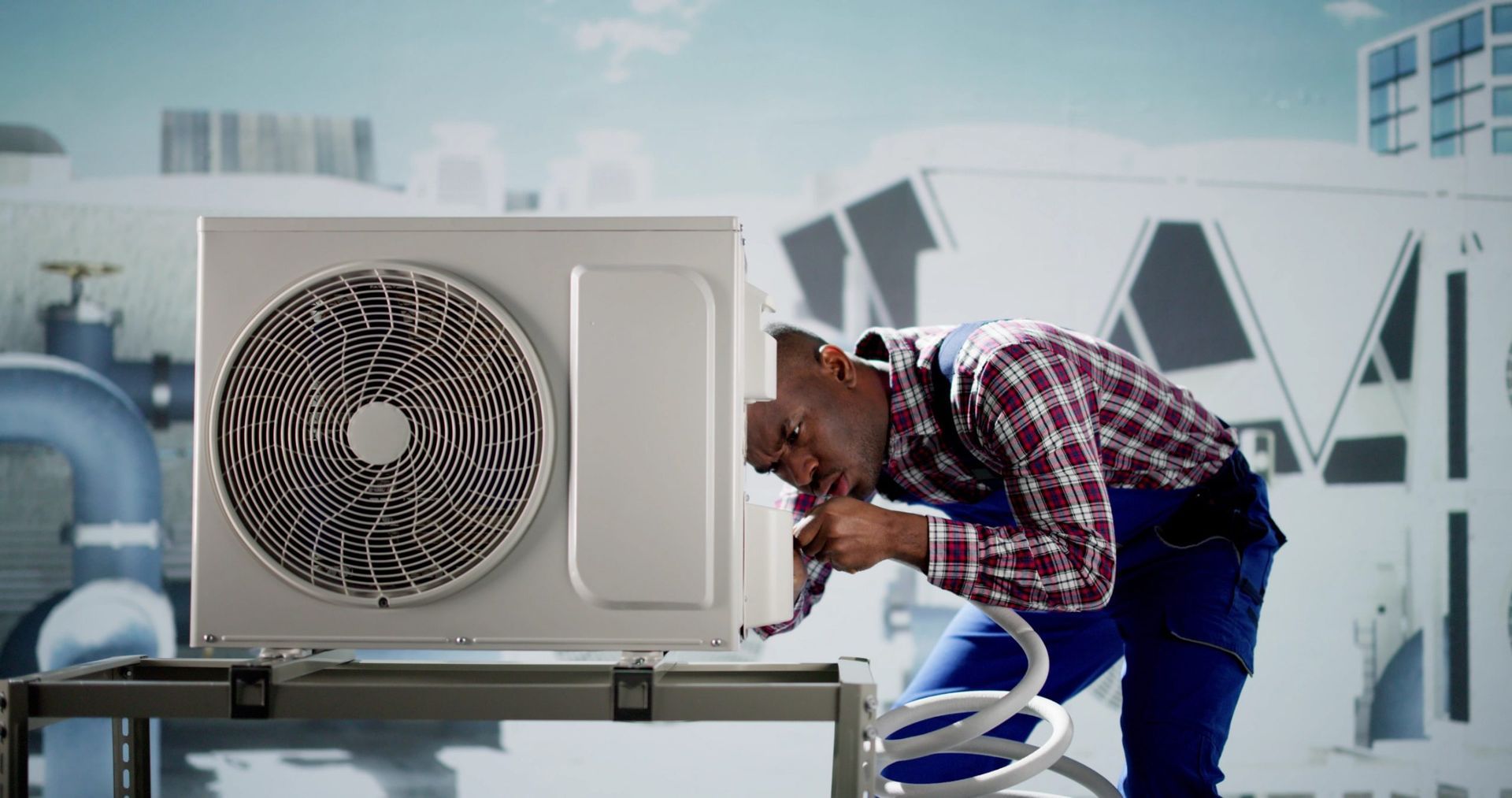
Keeping your home comfortable year-round depends on a well-functioning HVAC system. Over time, even the most reliable units start to show signs of wear. If you’ve noticed inconsistent temperatures, rising energy bills, or frequent repairs, it may be time to consider a new HVAC installation. Upgrading your system can improve efficiency, lower costs, and ensure a more comfortable living environment.
Below, we’ll walk through the most common HVAC replacement signs to help you determine when to replace HVAC in your home.
Rising Energy Bills Indicate an Inefficient System
A sudden increase in energy bills without a change in usage is a strong indicator that your HVAC system is losing efficiency. As components wear down, the system has to work harder to maintain the same temperature, consuming more energy.
Signs your HVAC is wasting energy:
- A steady increase in monthly utility bills
- Longer run times to reach the desired temperature
- Noticeable strain when heating or cooling your home
If your unit is more than 10–15 years old, investing in a new HVAC installation can save you money in the long run. Newer models use advanced technology to operate more efficiently, reducing energy consumption and lowering monthly costs.
Frequent Repairs Are Costing You More Than a Replacement
Routine maintenance is normal, but if you’re calling a technician more often than usual, it might be time to replace your system. Repair costs can quickly add up, and at a certain point, it makes more sense to invest in a new HVAC installation rather than continue fixing an outdated unit.
Consider replacing your system if:
- Repairs have exceeded 50% of the cost of a new system
- You experience frequent breakdowns despite maintenance
- Certain parts (like compressors or heat exchangers) need replacing
Rather than constantly spending money on repairs, a modern HVAC unit provides long-term reliability and efficiency.
Your Home Has Inconsistent Temperatures
If some rooms in your home are too hot while others are too cold, your HVAC system may no longer be distributing air effectively. This can be caused by aging components, clogged ducts, or a unit that is too small or too large for your home’s needs.
Common signs of uneven heating and cooling:
- Temperature differences from room to room
- HVAC system struggling to maintain a consistent temperature
- Hot or cold spots, even when the system is running
Upgrading to a properly sized new HVAC installation ensures balanced airflow, improved comfort, and greater efficiency.
Your HVAC System Is More Than 10-15 Years Old
The average lifespan of an HVAC system is between 10–15 years. After this period, performance declines, and repairs become more frequent. If your unit is nearing or exceeding this age range, planning for a replacement can help you avoid unexpected failures.
Older systems also lack modern energy-efficient technology, making them more expensive to operate. A new HVAC installation not only improves comfort but also aligns with today’s energy-saving standards.
Poor Indoor Air Quality Is Affecting Your Health
Your HVAC system plays a crucial role in filtering the air inside your home. If you notice excessive dust, humidity issues, or an increase in allergy symptoms, your system may no longer be effectively purifying the air.
Signs of poor indoor air quality:
- Increased dust accumulation around vents and furniture
- Excessive humidity, leading to mold or mildew
- Worsening allergy or asthma symptoms
A new HVAC installation with updated filtration technology can improve air quality, keeping your home healthier and more comfortable.
Your System Uses R-22 Refrigerant (Freon)
If your HVAC unit was installed before 2010, it might use R-22 refrigerant, which has been phased out due to environmental concerns. This means repairs and refills are becoming more expensive and difficult to obtain.
Replacing your outdated system with a modern, energy-efficient unit ensures compliance with current environmental regulations while lowering maintenance costs.
Strange Noises or Odors Are Coming from Your HVAC
Unusual sounds or smells coming from your HVAC system are warning signs that something is wrong. Rattling, banging, or grinding noises often indicate mechanical issues, while burning or musty odors could signal electrical problems or mold growth.
Pay attention to these warning signs:
- Banging or clanking – Could mean loose or broken parts
- Grinding or squealing – Often a sign of worn-out motor bearings
- Burning smell – May indicate an electrical issue
- Musty odor – Could be caused by mold or mildew in the system
If your HVAC system is making strange noises or emitting odd smells, it’s time to assess whether a new HVAC installation is the best solution.
Your Thermostat Needs Constant Adjustments
If you find yourself frequently adjusting the thermostat to maintain a comfortable temperature, your HVAC system might not be functioning efficiently. A failing system struggles to maintain set temperatures, leading to discomfort and frustration.
A new HVAC installation with a smart thermostat can automatically adjust to your home’s needs, improving comfort while saving energy.
Your HVAC System Runs Constantly or Short Cycles
Does your system seem to run all the time? Or does it turn on and off frequently without completing a full cycle?
Both are signs of a struggling HVAC unit.
- Constant running – Suggests the system is too small or losing efficiency
- Short cycling – Often caused by an oversized unit or a failing compressor
Both issues lead to increased wear and tear, higher energy costs, and uneven temperatures. A professional new HVAC installation ensures the right-sized unit for your home, optimizing performance and longevity.
You’re Planning to Sell Your Home Soon
If you’re considering selling your home, upgrading your HVAC system can be a major selling point. Buyers are more likely to choose a home with a new HVAC installation, as it eliminates concerns about future repairs and energy efficiency.
A modern HVAC system can:
- Increase your home’s resale value
- Make your property more attractive to potential buyers
- Reduce inspection issues related to outdated equipment
If your unit is near the end of its lifespan, replacing it before listing your home can provide a significant return on investment.
Final Thoughts: When to Replace HVAC for Maximum Efficiency
Recognizing the HVAC replacement signs early can help you avoid costly repairs and sudden breakdowns. If your system is old, inefficient, or frequently breaking down, a new HVAC installation is the best way to ensure comfort, efficiency, and lower energy costs.
At
Silas Heating & Cooling, we specialize in professional new HVAC installation, helping homeowners upgrade their systems with top-quality solutions. If you’re experiencing any of the issues mentioned above, give us a call at
(256) 572-9630 to schedule a consultation.
Frequently Asked Questions
What are the most common HVAC replacement signs?
Several HVAC replacement signs indicate it’s time for an upgrade. These include rising energy bills, inconsistent temperatures, frequent repairs, poor indoor air quality, and unusual noises or odors. If your system is over 10–15 years old or struggles to maintain a comfortable temperature, it may be time to consider a new HVAC installation.
When should I replace my HVAC system?
Knowing when to replace HVAC depends on several factors, including the system’s age, performance, and efficiency. If your unit requires frequent repairs, no longer cools or heats your home properly, or uses outdated refrigerant, replacing it with a modern, energy-efficient model can save you money and improve comfort.
How can a new HVAC installation improve my home's efficiency?
A new HVAC installation can significantly enhance energy efficiency by using advanced technology to regulate temperature more effectively. Newer systems operate with higher SEER (Seasonal Energy Efficiency Ratio) ratings, consume less energy, and provide better airflow, leading to lower utility bills and improved indoor air quality.
What factors should I consider before getting a new HVAC installation?
Before investing in a new HVAC installation, consider factors such as system size, energy efficiency, budget, and the type of heating and cooling technology that best suits your home. Consulting with a professional ensures you select the right unit for maximum comfort and long-term savings.
How do I know if my HVAC system is outdated?
An outdated HVAC system often shows multiple HVAC replacement signs, such as difficulty maintaining consistent temperatures, frequent breakdowns, and higher energy costs. If your system still relies on R-22 refrigerant or lacks modern efficiency features, upgrading to a new HVAC installation can enhance performance and reduce long-term expenses.
Related Posts