DIY vs. Professional HVAC Installation: What Alabama Homeowners Should Know
Table of Contents
- Introduction
- What Does HVAC Installation Actually Involve?
- Can You Install an HVAC System Yourself?
- The Risks of DIY HVAC Installation
- Why Professional HVAC Installation Makes a Difference
- DIY vs. Professional HVAC Installation: A Practical Comparison
- When We Recommend Professional Installation
- How to Prepare for an HVAC Installation
- HVAC Installation Mistakes We Recommend Avoiding
- Conclusion
- Professional HVAC Installation in Alabama
- Frequently Asked Questions
Key Takeaways
- Complete HVAC installation involves much more than replacing an indoor or outdoor unit.
- Incorrect sizing, electrical work, refrigerant handling, ductwork, and poor system setup can affect comfort, safety, and efficiency.
- Some basic preparation can be handled by homeowners, but complex installation work should be left to qualified HVAC professionals.
- Proper HVAC sizing should be determined before equipment is selected.
- A professional installation can help protect your investment and give your new system the best opportunity to perform as intended.
Introduction
For a complete HVAC system replacement or new installation, we recommend professional installation because the job involves system sizing, electrical connections, airflow, refrigerant, and other technical considerations that directly affect safety and performance.
We understand why DIY HVAC installation can seem appealing. If you have experience with home improvement projects, eliminating labor from the initial estimate may look like an easy way to reduce the cost of a new system.
The problem is that HVAC installation is not comparable to replacing a light fixture or installing a household appliance. A heating and cooling system has to be properly matched to the home, connected correctly, and configured to deliver the right amount of conditioned air.
At Silas Heating & Cooling, we work with homeowners throughout our Alabama service area, including Albertville, Boaz, Guntersville, Horton, Blount County, and Fort Payne. When we're involved in an installation, we look at the entire system rather than treating the equipment as an isolated component.
That's important because even a high-quality HVAC unit can perform poorly when it is improperly sized or installed.
What Does HVAC Installation Actually Involve?
A new HVAC installation can involve several different parts of the home and mechanical system.
Depending on the project, the work may include:
- Evaluating the home's heating and cooling requirements
- Determining the appropriate equipment size
- Removing existing equipment
- Installing the new indoor and outdoor components
- Connecting electrical components
- Connecting refrigerant lines
- Evaluating or modifying ductwork
- Installing or configuring controls
- Connecting condensate drainage
- Testing system operation
- Checking airflow and temperature performance
This is why we don't recommend choosing an HVAC system simply by looking at the size of the old unit or the square footage of the house.
The home's current condition matters.
Insulation, windows, layout, sun exposure, ductwork, occupancy, and other factors can all affect how much heating and cooling capacity the property actually needs.
Our discussion of HVAC load calculations before installation explains why proper sizing should happen before equipment is selected.
Can You Install an HVAC System Yourself?
Technically, homeowners may be able to perform certain portions of an HVAC project depending on their skills, equipment, and the specific system involved. That doesn't mean a complete HVAC installation is a good DIY project.
There is a major difference between basic HVAC maintenance and installing an entire heating and cooling system.
Homeowners can reasonably handle preparation tasks such as:
- Clearing the installation area
- Removing furniture or fragile belongings near the work zone
- Keeping pets away from the work area
- Clearing outdoor debris around the equipment
- Making sure technicians can access attics, crawl spaces, garages, or utility areas
- Asking questions about the equipment and installation process
Those tasks can make the installation easier without putting the homeowner in a position where they are handling complicated system components.
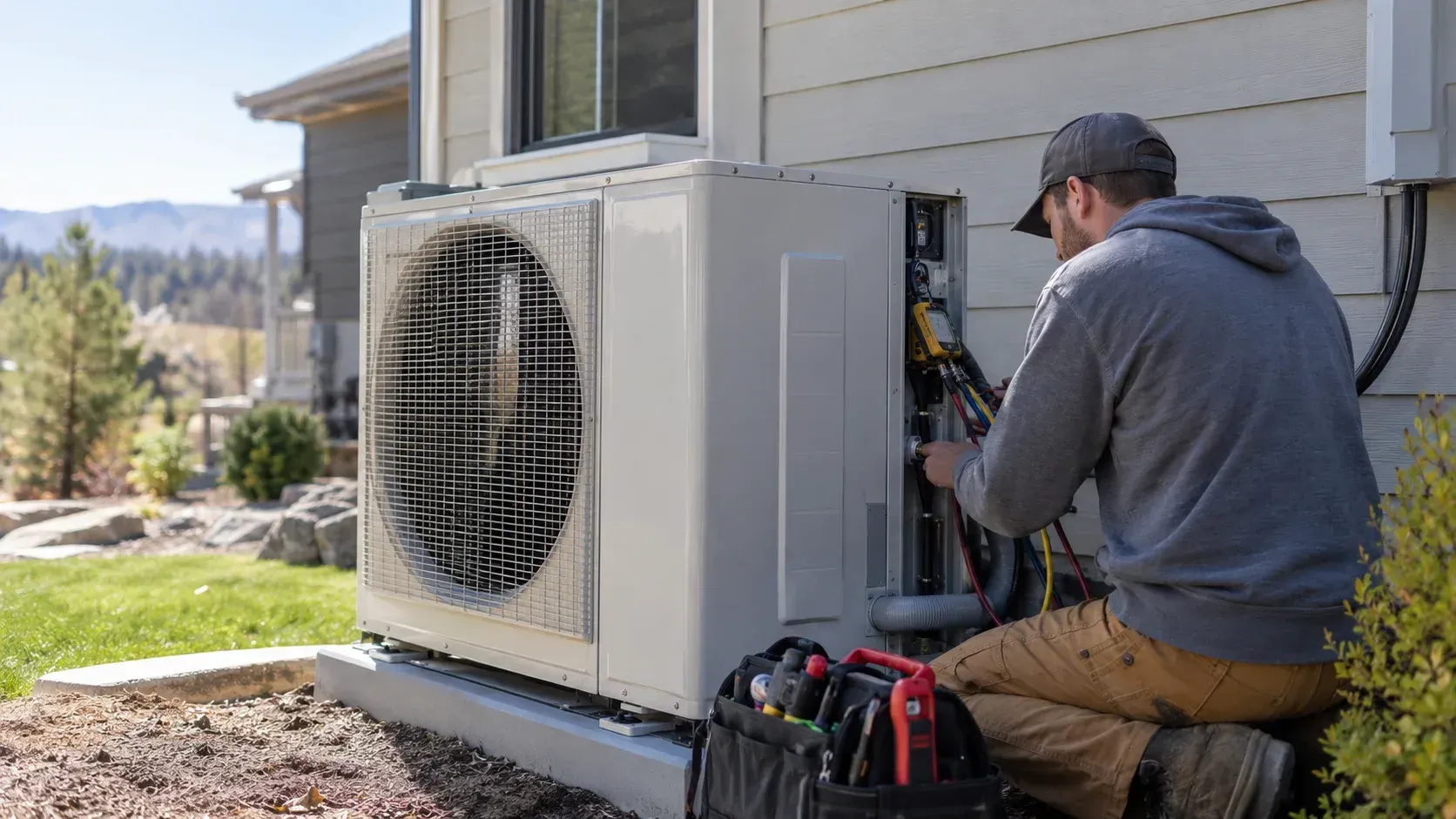
We recommend leaving electrical connections, refrigerant work, major duct modifications, equipment commissioning, and other technical installation tasks to trained HVAC professionals.
The Risks of DIY HVAC Installation
The biggest concern with DIY installation is not simply whether the system turns on.
The real question is whether it operates safely and correctly.
Improper HVAC Sizing
A larger HVAC system isn't automatically a better HVAC system.
If a unit is oversized, it can reach the thermostat setting too quickly and cycle off before adequately managing indoor humidity. An undersized system can struggle to keep up with demand and may run excessively.
Either situation can affect comfort, energy consumption, and equipment life.
This is why we believe proper HVAC sizing should be considered before installation rather than after problems appear.
Electrical Hazards
HVAC equipment requires electrical connections capable of safely handling the system's requirements.
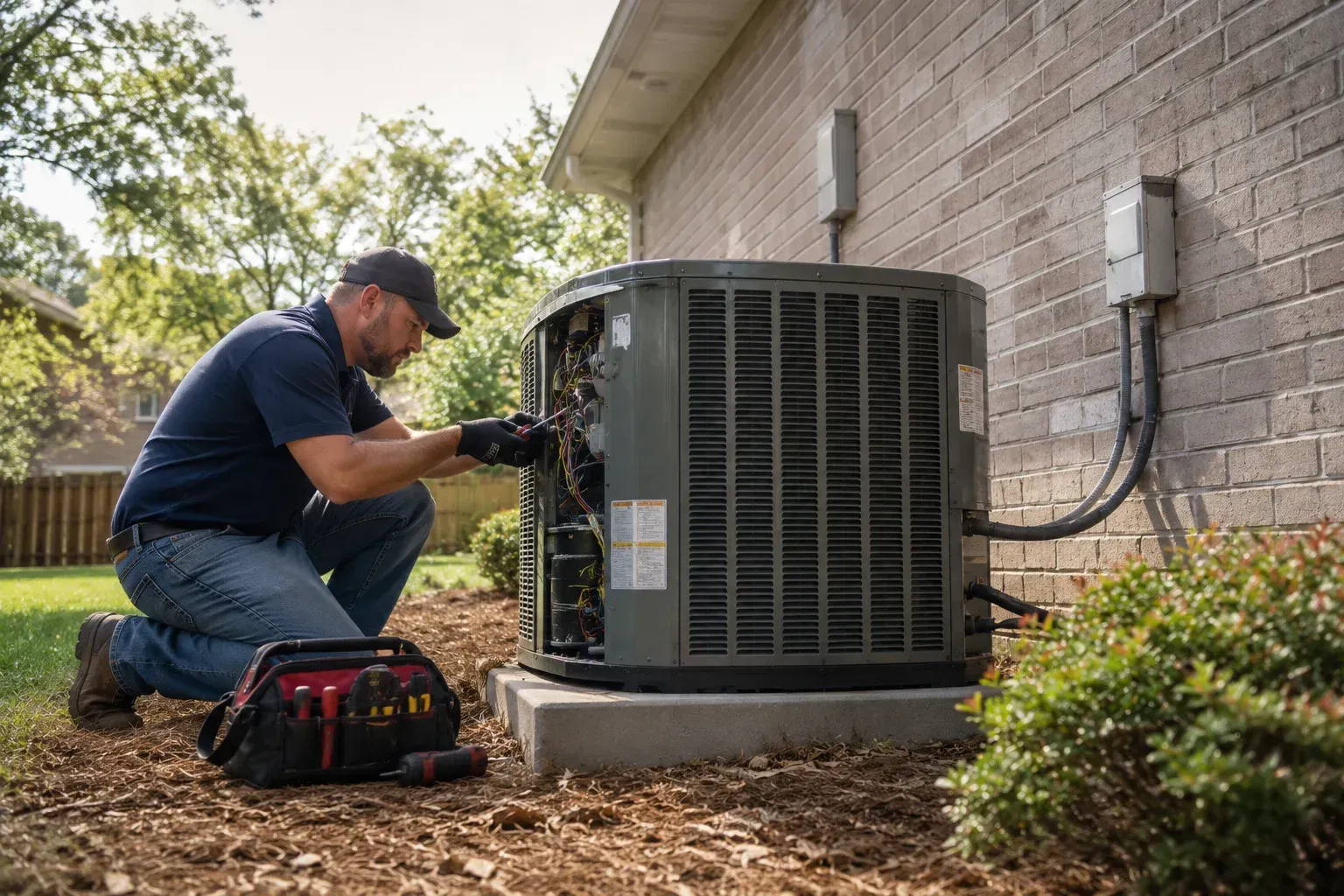
Incorrect wiring or improper electrical work can result in equipment damage, electrical shock, short circuits, or fire hazards.
This isn't an area where trial and error makes sense.
Refrigerant Handling
Air conditioners and heat pumps rely on refrigerant circuits that require specialized knowledge and equipment.
Incorrect connections, leaks, or improper charging can interfere with system performance and potentially damage components.
Ductwork Problems
A new HVAC unit cannot automatically correct poor ductwork.
Leaking, damaged, restricted, or incorrectly sized ducts can affect how effectively conditioned air reaches different rooms.
That's one reason we evaluate the existing system rather than assuming the equipment itself is the only factor affecting comfort.
Warranty and Installation Requirements
Homeowners should also review manufacturer requirements before attempting a DIY installation.
Some equipment warranties and installation requirements may depend on how the system is installed and commissioned. Assuming that a warranty will remain unaffected without checking the manufacturer's terms can create an unpleasant surprise later.
Why Professional HVAC Installation Makes a Difference
When we install an HVAC system, our goal is not simply to get the equipment running.
We want the system to work properly with the home.
We Start With the Home
The right equipment depends on the property.
We consider factors that influence heating and cooling demand instead of selecting equipment based solely on the size of the existing unit.
We Consider Airflow
Comfort depends on more than the temperature displayed on the thermostat.
If conditioned air isn't moving properly through the home, some rooms may remain uncomfortable even when the equipment itself is operating.
We Account for the Existing System
An HVAC replacement may reveal issues involving ductwork, electrical components, drainage, or equipment placement.
Identifying these concerns before the new system is fully installed can prevent avoidable problems later.
We Focus on Long-Term Performance
The cost of HVAC installation shouldn't be evaluated solely by the initial labor charge.
A system that is correctly sized and installed has a better opportunity to operate efficiently and reliably over its service life.
DIY vs. Professional HVAC Installation: A Practical Comparison
| Factor | DIY Installation | Professional Installation |
|---|---|---|
| Upfront labor cost | Potentially lower | Higher initial investment |
| System sizing | Homeowner responsibility | Professionally evaluated |
| Electrical work | Significant safety concerns | Handled by trained technicians |
| Refrigerant work | Specialized knowledge required | Professionally handled |
| Ductwork | Easy to overlook | Evaluated as part of the installation |
| Equipment setup | Depends on homeowner expertise | Professionally configured |
| Troubleshooting | Homeowner responsibility | Professional support available |
| Long-term performance | Highly dependent on installation quality | Designed around proper installation |
The lower initial price of DIY installation can be attractive, but the comparison changes when you consider the consequences of an incorrect installation.
A mistake can mean reduced efficiency, comfort problems, equipment damage, additional repairs, or having to pay someone to correct the original installation.
When We Recommend Professional Installation
There are several situations where we would strongly recommend professional HVAC installation.
You're Replacing the Entire System
A complete replacement involves more than disconnecting one unit and connecting another. Equipment, connections, controls, drainage, airflow, and other components all need to work together.
You're Unsure What Size System Your Home Needs
If you're choosing between different equipment sizes, don't guess.
A proper evaluation can help determine what your home actually requires.
Your Ductwork Needs Modification
If the existing ductwork is damaged, poorly configured, or incompatible with the new system, it should be addressed as part of the installation.
Electrical or Refrigerant Work Is Required
These are specialized areas that should not be treated as ordinary DIY projects.
Your Existing System Has Comfort Problems
If certain rooms are consistently hotter or colder than others, replacing the equipment without investigating the underlying cause may not solve the problem.
In some cases, airflow, ductwork, insulation, or sizing may be contributing to the issue.
How to Prepare for an HVAC Installation
Homeowners can still play an important role in making installation day go smoothly.
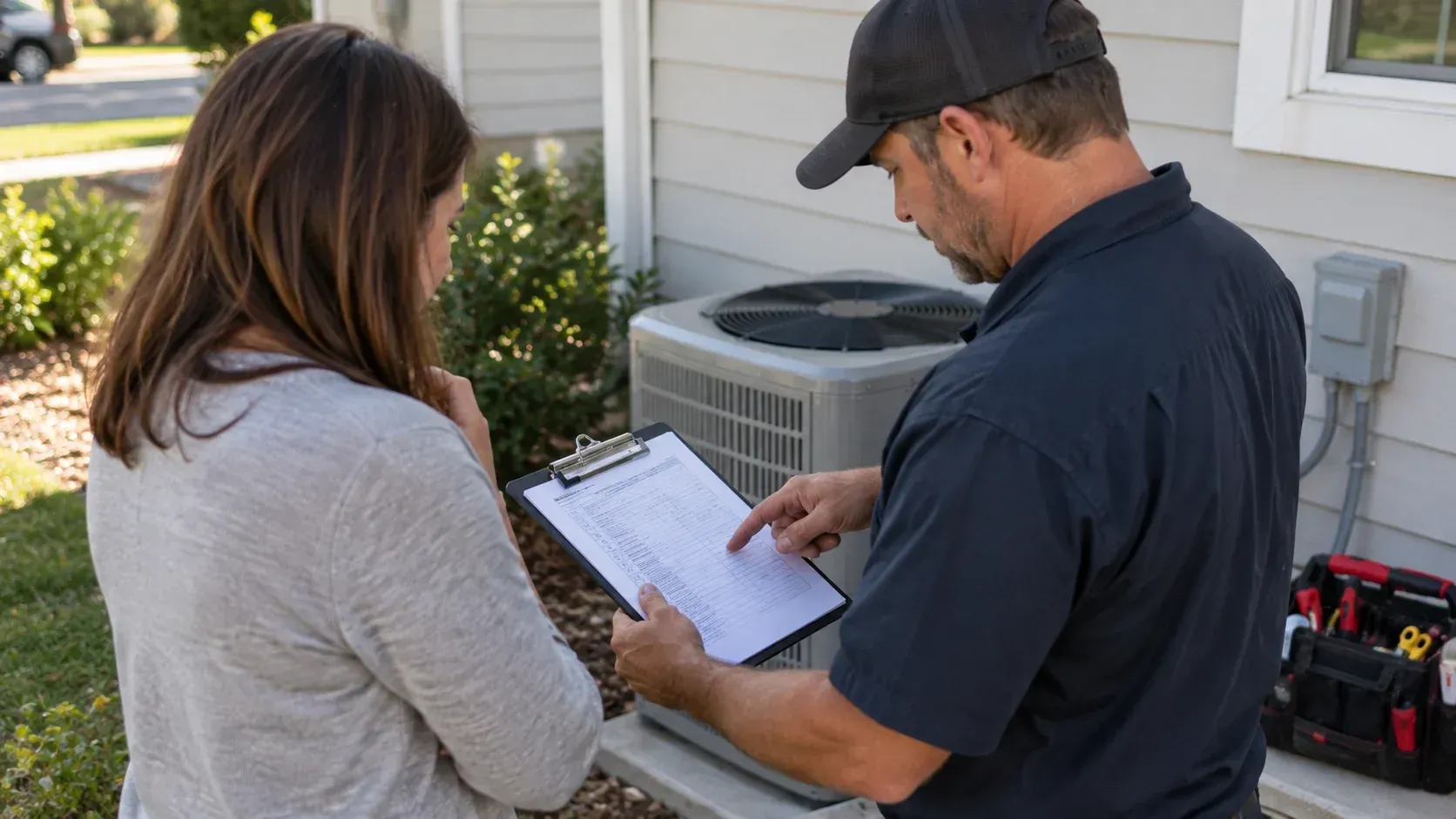
Before we arrive, we recommend clearing the work area and providing a straightforward path to the equipment.
You should also:
- Move furniture and fragile items away from the installation area.
- Clear hallways, stairs, and access points.
- Remove debris around the outdoor unit location.
- Secure pets and keep children away from the work zone.
- Let us know about tight attic, crawl-space, or utility-room access.
- Protect valuable belongings near the work area.
- Ask what portions of the system will be replaced or modified.
- Discuss the expected installation timeline.
We cover many of these preparation steps in our article about preparing your home for a smooth HVAC installation.
Good preparation doesn't just make our job easier. It can help reduce delays and give everyone a clearer understanding of what will happen during the project.
HVAC Installation Mistakes We Recommend Avoiding
After helping homeowners with heating and cooling systems, we know that some installation decisions can create problems long after the installation crew leaves.
Choosing the Cheapest Equipment
Price matters, but it shouldn't be the only consideration.
Efficiency, capacity, compatibility, expected operating costs, and installation requirements should all be part of the decision.
Choosing Equipment Based Only on Square Footage
Square footage is useful, but it doesn't tell us everything about a home's heating and cooling requirements.
A home's insulation, windows, layout, sun exposure, ductwork, and other characteristics can change the calculation.
Ignoring the Duct System
A new unit won't fix every airflow problem.
If ductwork is leaking or poorly configured, the new system may still struggle to deliver consistent comfort.
Assuming Bigger Means Better
Oversized HVAC systems can create their own performance problems.
We'd rather see the equipment matched to the home's actual requirements than simply install the largest system available.
Treating Installation as a Simple Equipment Swap
Even when a new system appears similar to the old one, differences in equipment specifications, controls, connections, and requirements can make the installation more complicated than it first appears.
Skipping Professional Evaluation
This is perhaps the biggest mistake.
Before spending thousands of dollars on new equipment, we believe homeowners deserve to understand what their home actually needs.
What We Would Do Before Buying a New HVAC System
If we were advising a homeowner who was considering a new HVAC system, we would start with the home's comfort problems rather than immediately discussing equipment.
We would want to know:
- Which rooms are uncomfortable?
- How old is the existing system?
- Does the system run constantly or cycle frequently?
- Have energy costs changed noticeably?
- Has the home been renovated or expanded?
- Has the ductwork been modified?
- Are there known insulation or airflow issues?
- What does the homeowner want the new system to accomplish?
Those questions can reveal whether the homeowner actually needs a complete replacement or whether another issue should be investigated first.
That's also why we don't believe every HVAC problem automatically calls for a new system.
Sometimes the better solution is a repair, maintenance visit, airflow adjustment, or another targeted improvement.
Conclusion: DIY or Professional HVAC Installation?
For a complete HVAC replacement or new installation, we recommend choosing professional installation rather than attempting the project yourself.
DIY work may appear to reduce the upfront HVAC installation cost, but improper sizing, electrical mistakes, refrigerant problems, ductwork issues, and incorrect system setup can create costs that far exceed the labor you hoped to save.
There are plenty of HVAC maintenance tasks homeowners can handle themselves. Complete system installation is different.
At Silas Heating & Cooling, we take the time to evaluate the home, discuss your options, and help you understand what we're recommending and why. Our goal is to install a system that provides dependable comfort without unnecessary guesswork.
Professional HVAC Installation in Alabama
If you're replacing an aging system or planning a new HVAC installation, we're here to help you make the decision with confidence.
We serve homeowners throughout areas including Albertville, Boaz, Guntersville, Horton, Blount County, and Fort Payne. You can talk with our team about your HVAC installation needs and schedule a consultation.
Call us at (256) 572-9630 to get started.
Frequently Asked Questions
Can I install my own HVAC system?
We don't recommend DIY installation for a complete HVAC system. The work can involve electrical connections, refrigerant, ductwork, system sizing, drainage, and other technical components that require appropriate training and equipment.
Is professional HVAC installation worth the cost?
For a complete system installation, we believe it is. Proper installation can help the equipment operate as intended, reduce the risk of installation-related problems, and support long-term comfort and efficiency.
What HVAC installation tasks can homeowners do themselves?
Homeowners can handle preparation tasks such as clearing the work area, providing access to the equipment, protecting belongings, removing outdoor debris, and securing pets. We recommend leaving technical installation work to qualified HVAC professionals.
Why does HVAC sizing matter so much?
The HVAC system needs to match the home's heating and cooling requirements. An oversized or undersized system can contribute to uneven temperatures, excessive cycling, higher energy consumption, and unnecessary equipment wear.
What should I consider before replacing my HVAC system?
Start by identifying your home's comfort problems, reviewing the age and condition of the existing equipment, considering ductwork and airflow, and having the home's heating and cooling requirements properly evaluated. We can then help you compare appropriate system options based on your property's needs.
Related Posts