Understanding Sewer Line Installation
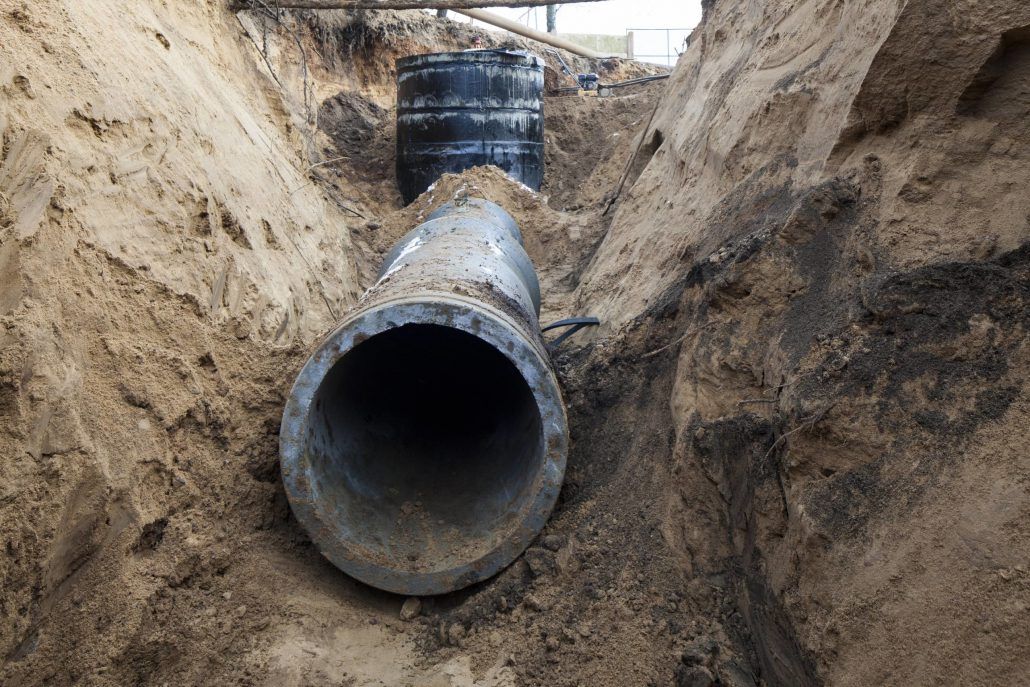
Table of Contents
- Understanding Sewer Line Installation
- Costs Associated with Sewer Line Installation
- Procedures for Sewer Line Installation
- Choosing the Right Sewer Line Installation Service
- Conclusion
- Ready to Upgrade Your Sewer Line? Contact Silas Heating & Cooling LLC Today!
Understanding Sewer Line Installation
Sewer line installation involves laying down pipes that carry wastewater away from your home. This process is crucial for ensuring that waste is transported safely and efficiently. Proper installation helps prevent issues such as blockages, leaks, and system failures, which can lead to significant property damage and health risks.
Sewer line installation requires careful planning and execution. Factors such as soil conditions, local regulations, and the type of sewer system you have (municipal or septic) will influence the installation process.
Costs Associated with Sewer Line Installation
Several factors influence the overall cost of sewer line installation:
- Location and Accessibility:
The cost can vary depending on the location of the sewer line installation. For example, installing a sewer line under a driveway or sidewalk in Horton, AL or Guntersville will generally cost more due to the additional labor and equipment needed. Accessibility also impacts costs; properties with challenging access, such as those in Albertville or Boaz, might have higher installation costs. - Length and Type of Pipe:
The length of the sewer line and the type of pipe material used (e.g., PVC, cast iron, clay) significantly affect the cost. Longer lines and higher-quality materials will increase the expense. - Excavation and Trenching:
Excavation is a major part of the sewer line installation process. The depth and width of the trench required will affect the cost. More extensive excavation or deeper trenches will lead to higher labor and equipment costs. - Permits and Inspections:
Most municipalities require permits and inspections for sewer line installations. Fees for these permits and inspections vary by location and can add to the overall cost of the project. - Labor Costs:
Professional labor costs are another important factor. The complexity of the installation and the experience of the contractor will influence the labor costs. Experienced contractors with a proven track record may charge more but can provide better quality and reliability.
Procedures for Sewer Line Installation
The process for sewer line installation generally involves the following steps:
- Planning and Design:
The first step involves assessing your property to determine the best route for the sewer line. This includes checking the existing plumbing system, local codes, and any potential obstacles such as air conditioning or cooling system components. - Excavation:
Excavation involves digging the trench for the sewer line. The depth and width of the trench are based on the type of pipe and the requirements of the installation. This step may require heavy equipment and can be complex if there are existing air ducts or other utilities in the area. - Pipe Installation:
Once the trench is ready, the sewer pipes are laid and connected. Proper alignment and secure connections are crucial to prevent leaks and ensure the system's efficiency. - Backfilling:
After the pipes are installed and inspected, the trench is backfilled with soil. The area is then compacted to ensure stability and to prevent future settling. - Final Inspection:
A final inspection is conducted to ensure that the installation meets all local codes and regulations. This may include a camera inspection to check for any potential issues within the pipes.
Choosing the Right Sewer Line Installation Service
Selecting the right service provider for your sewer line installation is essential for a successful project.
Here are some tips to help you choose the right service:
- Experience and Expertise:
Choose a contractor with extensive experience in sewer line installation. Their knowledge of local regulations and their proven track record will ensure a successful installation. For reliable service, consider professionals with years of experience in heating & air conditioning and HVAC services. - Licensing and Insurance:
Verify that the contractor is licensed and insured. This provides protection in case of accidents or damage during the installation process. - References and Reviews:
Check references and read reviews from previous customers. Positive feedback and recommendations can provide valuable insights into the contractor's reliability and quality of work. - Cost Estimates:
Obtain detailed cost estimates from multiple contractors. Compare these estimates to ensure a fair price and understand what is included. - Warranty and Service:
Inquire about warranties and post-installation services. A reputable contractor should offer a warranty on their work and be available to address any issues that arise.
Conclusion
Understanding sewer line installation, including costs, procedures, and selecting the right service, is crucial for ensuring a successful project. Proper installation of your sewer line will provide reliable and efficient waste removal, minimizing potential issues and protecting your property.
For expert advice and high-quality service, consult with experienced professionals who can guide you through every step of the sewer line installation process. For comprehensive service, contact a trusted contractor to discuss your sewer line needs and get a detailed quote. Ensuring that your sewer system is properly installed will provide peace of mind and long-term reliability for your home.
Ready to Upgrade Your Sewer Line?
If you’re considering a new sewer line installation, look no further than Silas Heating & Cooling LLC. As a leading HVAC contractor with extensive experience in heating and cooling, we offer top-notch service for all your plumbing needs. Serving Horton, AL, Albertville, Boaz, Guntersville, Fort Payne, and Blount County, our team is equipped to handle your sewer line installation efficiently and professionally.
Whether you need advice, a detailed estimate, or expert installation, we’re here to help.
Contact us today at
(256) 572-9630 to schedule a consultation or to get a free quote. With our commitment to quality and customer satisfaction, you can trust Silas Heating & Cooling LLC to deliver reliable and timely service for all your heating and air needs.
Frequently Asked Questions
What factors influence the cost of sewer line installation?
The cost of sewer line installation can vary based on several factors, including the length of the sewer line, the type of material used, and the complexity of the installation site. Additional considerations include local labor rates, the need for excavation, and the existing conditions of the HVAC system. In regions like Horton, AL, costs may also be affected by local regulations and the availability of emergency service.
How do I know if my home needs a sewer line replacement or just repairs?
To determine if you need a sewer line replacement or just repairs, a professional inspection is essential. Plumbers use tools like video cameras to inspect the inside of the sewer line and identify issues such as cracks, blockages, or tree root intrusion. Similar to assessing HVAC services, this thorough inspection helps in deciding whether a repair or replacement is needed to maintain efficient indoor air quality and system performance.
What are the common materials used for sewer line installations?
Common materials for sewer line installations include PVC (polyvinyl chloride), ABS (acrylonitrile butadiene styrene), and cast iron. Each material has its benefits, such as PVC's resistance to corrosion and lightweight nature, and cast iron's durability. The choice often depends on factors like local building codes and site-specific requirements, similar to choosing materials for HVAC systems like heat pumps or ductless units.
How long does a typical sewer line installation take?
The duration of a sewer line installation depends on factors such as the complexity of the project, the length of the line, and the condition of the existing sewer system. On average, a straightforward installation can take one to three days, though more complex projects may take longer. Just like with HVAC installation, unexpected challenges can influence the timeline.
What maintenance is required for a new sewer line?
Regular maintenance is crucial for ensuring the longevity and proper functioning of a new sewer line. This includes avoiding the disposal of non-flushable items, monitoring for signs of blockages or leaks, and scheduling periodic inspections. Proper maintenance helps prevent issues such as clogs or damage, much like routine HVAC repair and maintenance are essential for keeping systems like air conditioners and heating units in good working order.
Related Posts