What You Must Know Before Adding a Breaker to Your Electrical Panel
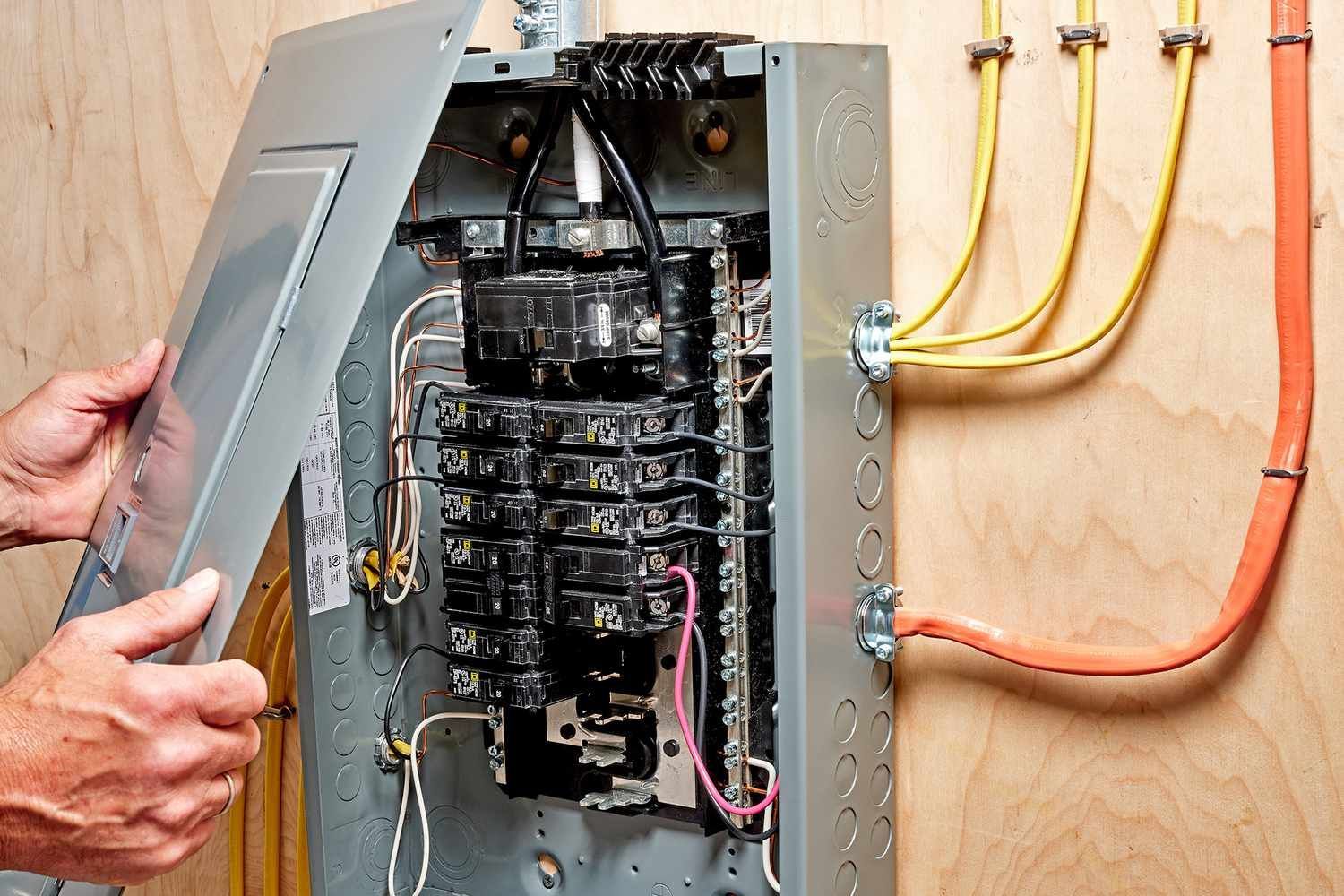
Table of Contents
- Understanding Electrical Panels and Breakers
- Assessing Your Electrical Needs
- Choosing the Right Breaker
- Panel Capacity and Space
- Electrical Code Compliance
- Safety Precautions
- Testing and Verification
- Conclusion
- Ready to Upgrade Your HVAC System? Contact Us Today!
Understanding Electrical Panels and Breakers
Electrical Panels:
The electrical panel, also known as the breaker box or distribution board, is the central hub of your home's electrical system. It distributes electricity to various circuits throughout your home and provides a means to shut off power to specific areas when needed. If you’re upgrading your system to support a new air conditioner or HVAC system, understanding your panel’s capacity is crucial.
Breakers:
Circuit breakers are safety devices designed to protect your electrical circuits from overloads and short circuits. Each breaker controls the flow of electricity to a specific circuit, and if an issue occurs, the breaker trips to prevent damage or fire hazards. When adding a new breaker, ensure it is compatible with your existing panel and meets the requirements for any new heating & air conditioning units or other appliances.
Assessing Your Electrical Needs
Before installing a new breaker, assess your current and future electrical needs:
Current Usage:
Evaluate your existing electrical load to determine if your panel can handle additional breakers. Consider the total amperage and the number of circuits in use. For example, if you plan to install a new air conditioning unit or a ductless system, you might need to upgrade your panel to support these new additions.
Future Needs:
Anticipate any upcoming changes or additions to your home, such as installing new HVAC services or upgrading to a more efficient cooling system. Planning for future needs can help prevent frequent panel upgrades.
Choosing the Right Breaker
Selecting the appropriate breaker for your panel involves understanding the types available:
Single-Pole Breakers:
Used for 120-volt circuits, these are common in residential panels and might be sufficient for adding new circuits for small appliances or outlets.
Double-Pole Breakers:
Required for 240-volt circuits, these are necessary for larger appliances like heat pumps or major HVAC units. Ensure you choose a breaker that matches the amperage and type required for your new appliances.
GFCI and AFCI Breakers:
Ground Fault Circuit Interrupter (GFCI) breakers are essential for areas with high moisture levels, such as kitchens and bathrooms, as they protect against electrical shock. Arc Fault Circuit Interrupter (AFCI) breakers detect and prevent electrical fires caused by arc faults.
Panel Capacity and Space
Before adding a new breaker, check the capacity and available space in your electrical panel:
Panel Capacity:
Ensure your panel can handle the additional load. Each panel has a maximum amperage rating, and exceeding this can lead to overheating or damage. If you're unsure, consult a professional for an assessment.
Available Space:
Verify there is an empty slot in your panel for the new breaker. Adding too many breakers can compromise your panel’s ability to dissipate heat, affecting the safety and performance of your heating & air conditioning system.
Electrical Code Compliance
Compliance with electrical codes and regulations is essential:
Permits:
Determine if a permit is required for the installation. Many areas require permits to ensure that the installation adheres to safety standards.
Code Compliance:
Ensure the new breaker installation complies with the National Electrical Code (NEC) and any local amendments. Non-compliance can result in safety hazards and issues during home inspections.
Safety Precautions
When working with electrical systems, safety is a top priority:
Turn Off Power:
Always turn off the main power before starting any work to avoid electrical shocks or accidents.
Use Proper Tools:
Employ insulated tools and wear safety gear to protect yourself during installation.
Hire a Professional:
If you are not comfortable working with electrical systems or if you need assistance with more complex issues, such as integrating the new breaker with an existing air conditioner or HVAC system, consider hiring a licensed electrician.
Testing and Verification
After installing the breaker, conduct thorough testing:
Check Operation:
Test the new breaker to ensure it operates correctly and trips when necessary. Verify that it provides power to the intended circuit.
Inspect for Issues:
Look for signs of overheating or unusual noises, which could indicate problems with the installation.
Conclusion
Adding a breaker to your electrical panel can enhance your home’s electrical system, whether you're upgrading to support a new air conditioning unit or improving your overall indoor air quality.
By understanding your electrical needs, selecting the appropriate breaker, ensuring panel capacity, and adhering to safety codes, you can successfully and safely expand your electrical system. For professional assistance or if you have any concerns about your electrical panel, consulting a licensed electrician is always a prudent choice.
Ready to Upgrade Your HVAC System? Contact Us Today!
If you're a homeowner in need of reliable heating and cooling solutions, look no further than Silas Heating & Cooling LLC. Our experienced HVAC technicians are here to address all your HVAC needs, from routine air conditioning service to urgent HVAC repair. Whether you're located in Horton, AL, Albertville, Boaz, Guntersville, Fort Payne, or Blount County, we offer top-notch service and expertise.
With years of experience in the industry, we provide comprehensive HVAC services tailored to meet your unique needs. Our team is committed to delivering quality work and excellent customer service, ensuring your home remains comfortable year-round.
Call us today at
(256) 572-9630 for a free quote and discover how our heating and air solutions can enhance your home's comfort. We also offer emergency service to handle any unexpected issues promptly. Trust Silas Heating & Cooling LLC to power up your comfort with professional care and dedication.
Frequently Asked Questions
What type of breaker should I choose for my electrical panel?
The type of breaker you need depends on the electrical load and the specific requirements of your home's electrical system. Single-pole breakers are used for standard 120-volt circuits, while double-pole breakers are necessary for 240-volt circuits. It's crucial to match the breaker type and amperage with your panel's specifications and the intended load.
Can I add a breaker myself, or should I hire a professional?
While it might seem straightforward, adding a breaker involves working with your home's electrical system, which can be dangerous if not done correctly. Hiring a licensed electrician ensures that the installation complies with safety codes and regulations, reducing the risk of electrical hazards.
How do I determine the appropriate amperage for the new breaker?
The amperage of the breaker should be based on the circuit's needs and the wiring's capacity. Overloading a circuit can lead to overheating and potential fire hazards. Consulting an electrician to assess your needs and ensure the proper breaker size is essential for safe operation.
What should I check before installing a new breaker in my panel?
Before installing a new breaker, ensure that your electrical panel has enough space and that the panel is compatible with the new breaker. Also, check that the panel is not overloaded and that the existing breakers are functioning correctly. Professional inspection can help identify any underlying issues.
How will adding a breaker affect my home’s electrical system?
Adding a breaker increases your electrical panel's capacity, allowing you to add more circuits or upgrade existing ones. However, it’s important to ensure that the overall system remains balanced and does not exceed its capacity. Regular maintenance and monitoring of your electrical system can help maintain safety and efficiency.
Related Posts