Can Dirty Air Filters Reduce Your AC's Cooling Performance During Summer?
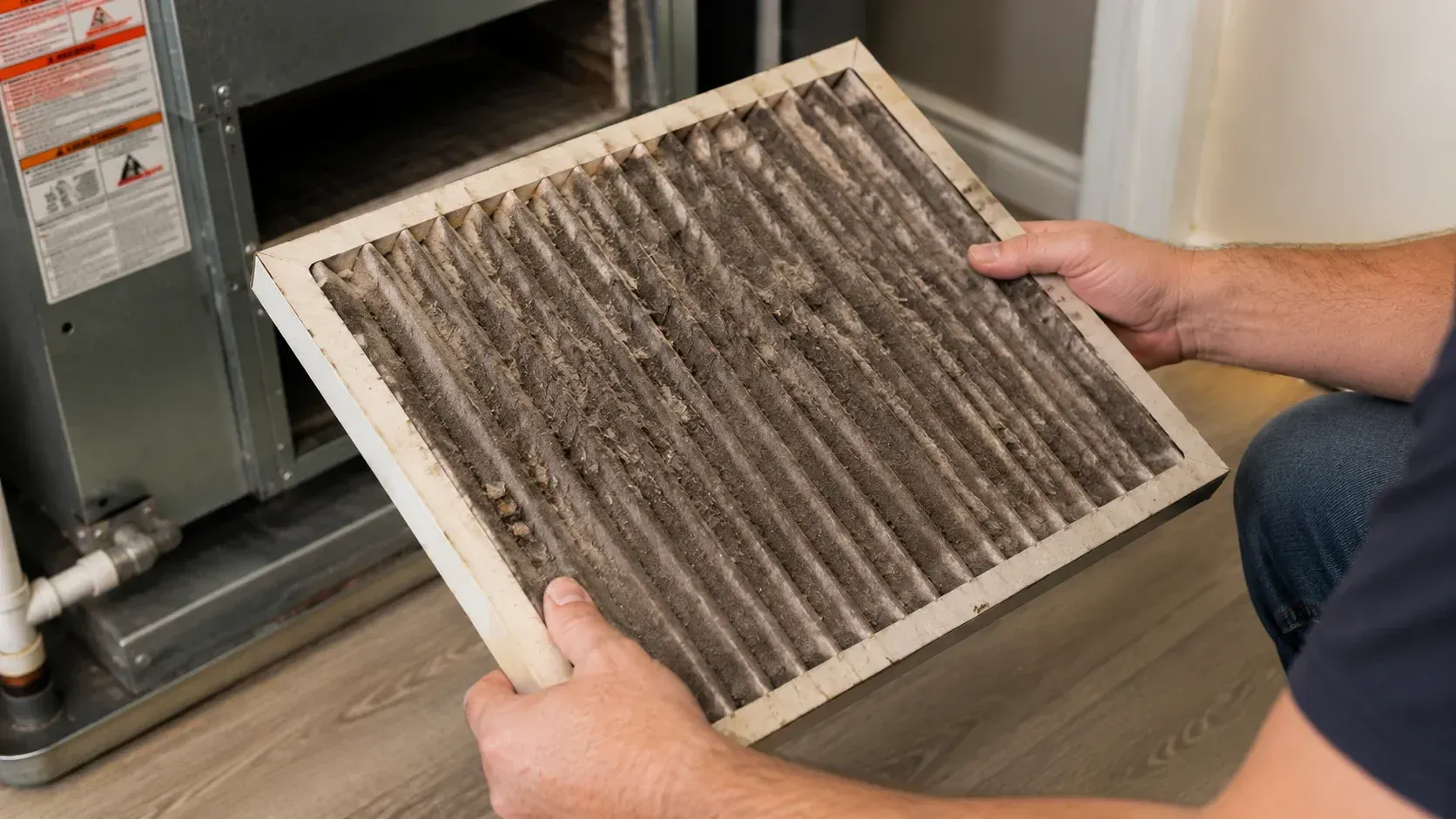
Table of Contents
- Why Air Filters Matter for AC Performance
- How a Dirty Filter Restricts Airflow
- Signs Your AC Filter May Be Affecting Cooling
- Why This Matters More During Horton, AL Summers
- How Often Should You Check or Change Your Filter
- Risks of Ignoring Filter Maintenance
- When It Makes Sense to Call a Professional
- Conclusion
Key Takeaways
- A dirty air filter restricts airflow, which forces your AC system to work harder to cool the same space.
- Reduced airflow can lead to higher energy bills, longer cooling cycles, and uneven indoor temperatures.
- Alabama's summer humidity and pollen levels can cause filters to clog faster than in other climates.
- Ignoring a dirty filter over time may contribute to strain on the compressor and other AC components.
- Regular filter checks are a simple, low-cost way to help support steady cooling performance.
Introduction
Yes, a dirty air filter can reduce your AC's cooling performance. When a filter becomes clogged with dust, pet hair, or pollen, it blocks airflow through the system, which makes it harder for your AC to move cool air through your home.
This matters most in summer, when your AC already works longer hours to keep up with rising temperatures. For homeowners and business owners in Horton, AL, where humidity and heat build up quickly between May and September, a clogged filter can turn an already demanding season into one with higher bills and less comfort. Understanding how this happens can help you make better decisions about when to check your system and when it's worth reaching out for support
.
Why Air Filters Matter for AC Performance
Air filters are one of the simplest parts of an HVAC system, but they play a big role in how well that system runs. The filter's job is to catch dust, debris, and airborne particles before air passes over the evaporator coil.
When the filter is clean, air moves through it with little resistance. When it's dirty, that airflow gets choked off. The system has to pull harder to draw air through, which puts extra load on the blower motor and the rest of the unit.
Over time, this added strain doesn't just affect comfort. It can also affect how long parts of the system last, since components are working outside their normal range.
How a Dirty Filter Restricts Airflow
Reduced Airflow and Coil Strain
A clogged filter limits the amount of air reaching the evaporator coil. Without enough airflow, the coil can get colder than it should, sometimes to the point where condensation on the coil starts to freeze.
A frozen coil is a common outcome of long-term filter neglect. Once ice forms, airflow drops even further, and the system may need to be shut off for the coil to thaw before it can work properly again.
Increased Energy Use
When airflow is restricted, the AC has to run longer to reach the same indoor temperature. Longer run times generally mean higher electricity use, since the system is compensating for reduced efficiency rather than actually cooling faster.
This is one of the more noticeable effects for homeowners, since it often shows up directly on a summer utility bill.
Signs Your AC Filter May Be Affecting Cooling
There are a few common signs that a filter might be interfering with cooling performance:
- Rooms that used to cool evenly now feel warmer than others
- The AC runs for longer stretches without reaching the set temperature
- Airflow from vents feels weaker than usual
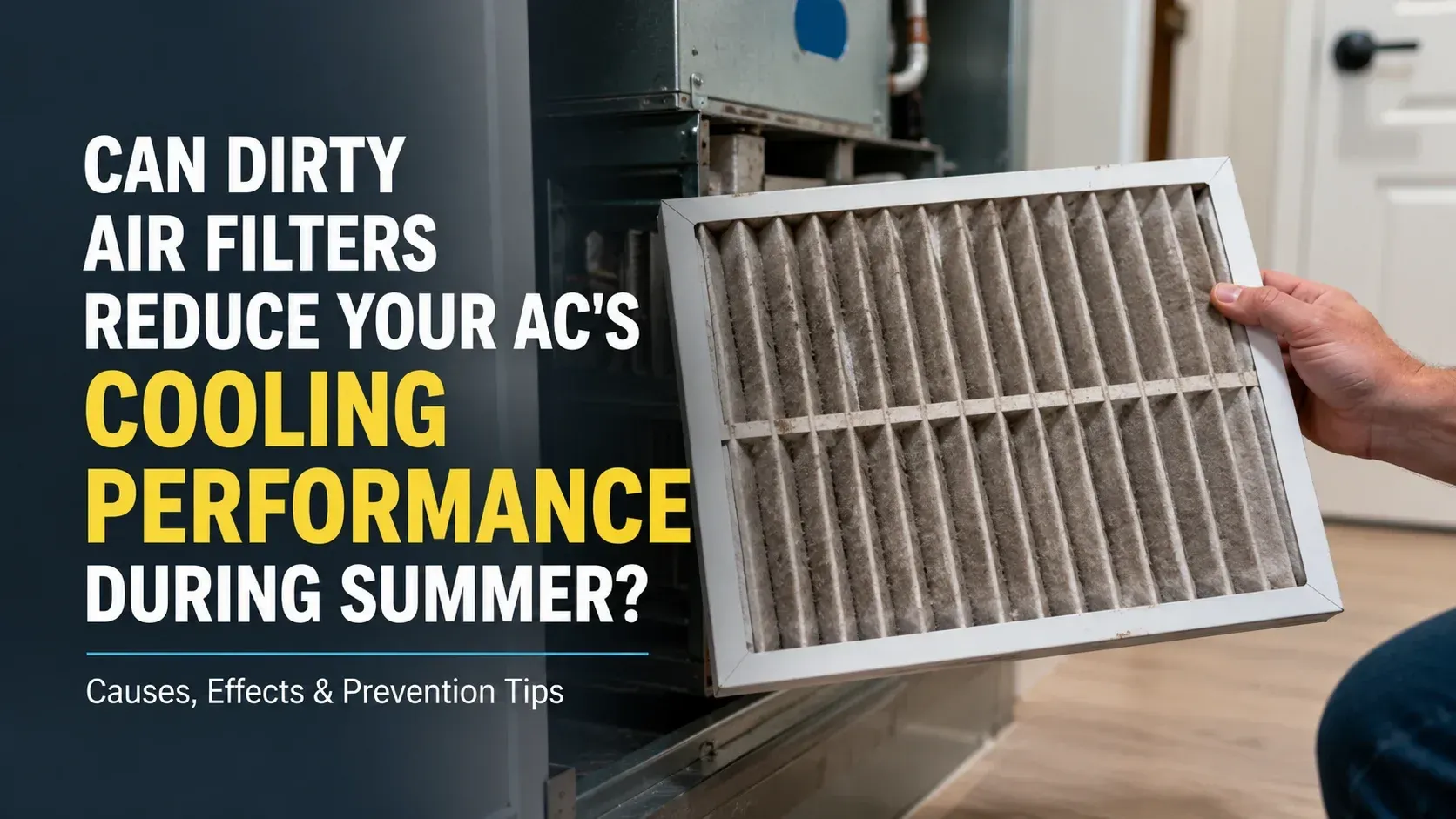
- Dust buildup is visible on the filter or around vent covers
- Energy bills have increased without a clear explanation
None of these signs guarantee the filter is the sole cause, but they're worth checking before assuming a bigger issue is at play.
Why This Matters More During Horton, AL Summers
Horton's summer climate tends to bring both heat and humidity, which can affect how quickly filters get dirty. Higher humidity levels mean more moisture in the air, which can cause dust and particles to stick to the filter surface more easily.
Pollen counts in this part of Alabama also tend to rise in spring and carry into early summer, adding another layer of buildup. Because of this, filters that might last a full month in a drier climate could need attention sooner here. Local conditions are one reason why filter changes matter more in this region than some homeowners realize.
How Often Should You Check or Change Your Filter
Most standard filters are designed to be checked every 30 to 90 days, depending on the type of filter and household conditions. Homes with pets, multiple occupants, or nearby construction may need more frequent checks.
During summer, when the AC runs more often, filters tend to collect debris faster simply because more air is passing through them. A quick visual check once a month during peak season can help you catch buildup before it becomes a bigger issue.
This kind of check is often included as part of routine HVAC maintenance, which can also cover other components that affect overall system performance.
Risks of Ignoring Filter Maintenance
Letting a dirty filter go unchecked for an extended period carries a few risks beyond reduced cooling:
- Higher repair costs. Extra strain on the blower motor or compressor can shorten their expected lifespan.
- Poorer indoor air quality. A clogged filter can allow more dust and particles to circulate rather than being trapped.
- Uneven cooling. Some rooms may cool less effectively than others if airflow is inconsistent throughout the ductwork.
- System downtime. In more serious cases, restricted airflow can lead to a frozen coil, which may require the system to be turned off until it thaws.
Staying ahead of these risks is part of what makes preventive HVAC care valuable, particularly heading into the hottest months of the year.
When It Makes Sense to Call a Professional
Changing or checking a filter is something most homeowners can do without help. However, there are situations where a professional opinion is useful, such as:
- If cooling performance doesn't improve after replacing the filter
- If you notice ice buildup on the coil or refrigerant lines
- If energy bills continue rising despite regular filter changes
- If airflow feels weak throughout the entire home rather than in a single room
In these cases, the issue may involve something beyond the filter itself, such as ductwork, refrigerant levels, or a mechanical component. A licensed technician can look into these possibilities through AC repair services and provide a clearer picture of what's happening with your system.
Conclusion
A dirty air filter is a small part with a noticeable effect on cooling performance, energy use, and indoor comfort, especially during the demanding summer months. Understanding how airflow restriction affects your AC system can help you recognize early warning signs before they turn into larger concerns.
Regular filter checks, paired with a basic understanding of your system's needs, are a practical step toward maintaining consistent performance. This is especially relevant in areas like Horton, AL, where humidity and pollen can accelerate filter buildup during warmer months.
Summary: Book a Strategy or Discovery Call
If you have questions about your AC's performance or want a clearer understanding of how your system is running, a short discovery call can help. This is not a sales pitch or a promise of results. It's simply an opportunity to ask questions, get informed answers, and decide what, if any, next steps make sense for your home or business.
Frequently Asked Questions
Can a dirty air filter really make my house feel warmer?
Yes, it's possible. A clogged filter restricts airflow, which can prevent cool air from reaching every part of your home evenly, leading to warmer spots in some rooms.
How do I know if my filter is too dirty to use?
If you hold the filter up to a light source and can't see light passing through it, it's likely time to replace it.
Does a dirty filter always cause higher energy bills?
Not always, but reduced airflow often forces the system to run longer to reach the same temperature, which can increase energy use over time.
Can I clean a disposable filter instead of replacing it?
Disposable filters are generally designed for one-time use and aren't intended to be cleaned and reused. Reusable or washable filters are a different category and have their own care instructions.
Is it normal for filters to get dirty faster in summer?
In many climates, yes. Higher humidity and increased AC use during summer can cause filters to collect debris more quickly than in cooler months.
What happens if I ignore a dirty filter for too long?
Extended neglect can lead to reduced airflow, higher strain on system components, and in some cases, a frozen evaporator coil.
Should I replace my filter myself or have a professional do it?
Most homeowners can replace a standard filter without professional help. A technician may be useful if you're unsure of the correct filter size or type for your system.
Related Posts