Why Should You Schedule HVAC Maintenance Before Peak Summer Heat?
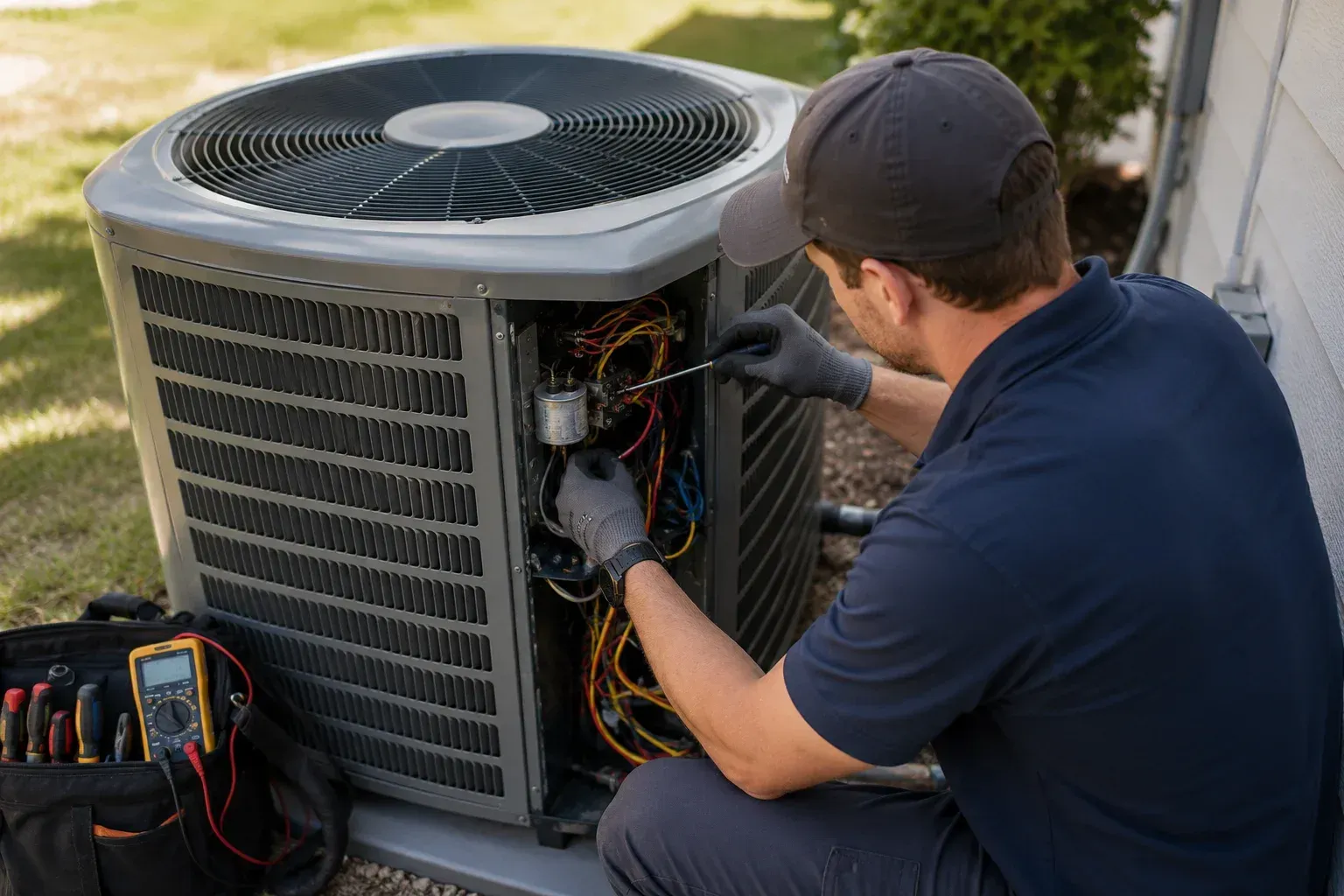
Table of Contents
- Why Timing Matters for HVAC Maintenance
- What Happens During a Pre-Summer Tune-Up
- Risks of Waiting Until Peak Heat
- Why Horton, AL Summers Add to the Urgency
- How Maintenance Differs From Repair
- What Homeowners and Business Owners Can Expect
- Limitations of Preventive Maintenance
- Conclusion
Key Takeaways
- Scheduling HVAC maintenance before summer heat arrives allows time to catch small issues before your system is under full seasonal load.
- Waiting until temperatures peak often means longer service wait times, since demand for AC repairs rises sharply in summer.
- A pre-summer tune-up typically covers airflow, refrigerant levels, electrical connections, and thermostat function.
- Regular maintenance can support more consistent cooling performance, though it does not eliminate the possibility of future issues.
- Horton, AL's humid summer climate places extra demand on cooling systems, making early maintenance more relevant locally.
Introduction
You should consider scheduling HVAC maintenance before peak summer heat because it gives technicians time to catch minor issues while your system isn't yet under maximum strain. Waiting until temperatures climb often means your AC is already working overtime when a problem surfaces.
For homeowners and business owners in Horton, AL, this timing matters more than it might seem. Alabama summers bring long stretches of heat and humidity, and cooling systems here tend to run for extended hours once the season sets in. Understanding what a pre-summer maintenance visit involves, and what it can and can't address, helps you plan ahead with realistic expectations rather than reacting once something goes wrong.
.
Why Timing Matters for HVAC Maintenance
HVAC systems experience the most stress during the hottest months, since they're running longer and working harder to keep indoor temperatures stable. Scheduling maintenance in spring, before that demand kicks in, gives a technician the chance to inspect the system while it's under lighter use.
This timing also matters from a scheduling standpoint. Once summer heat arrives, service companies typically see a sharp rise in repair calls, which can mean longer wait times for anyone dealing with an unexpected breakdown.
What Happens During a Pre-Summer Tune-Up
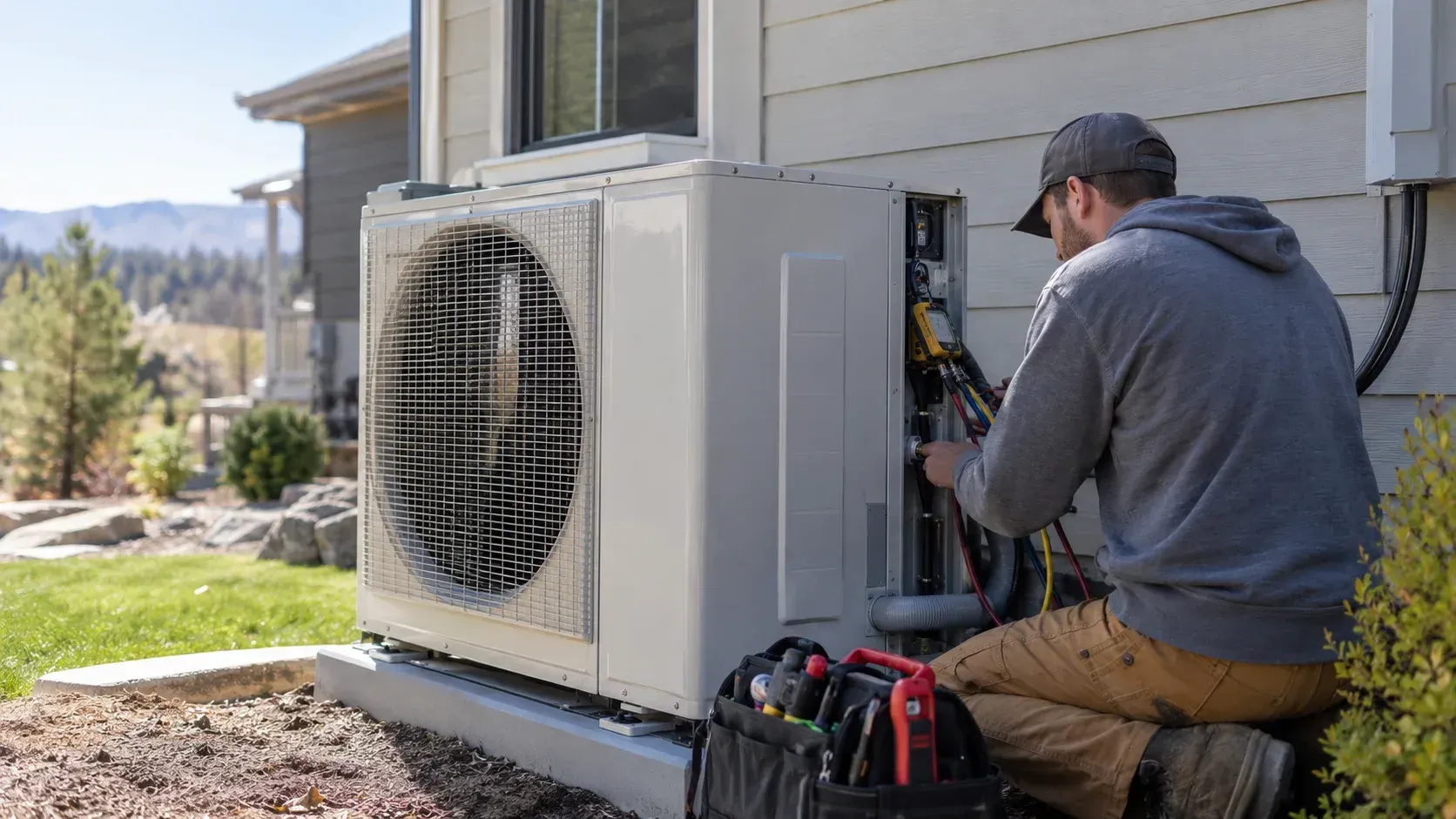
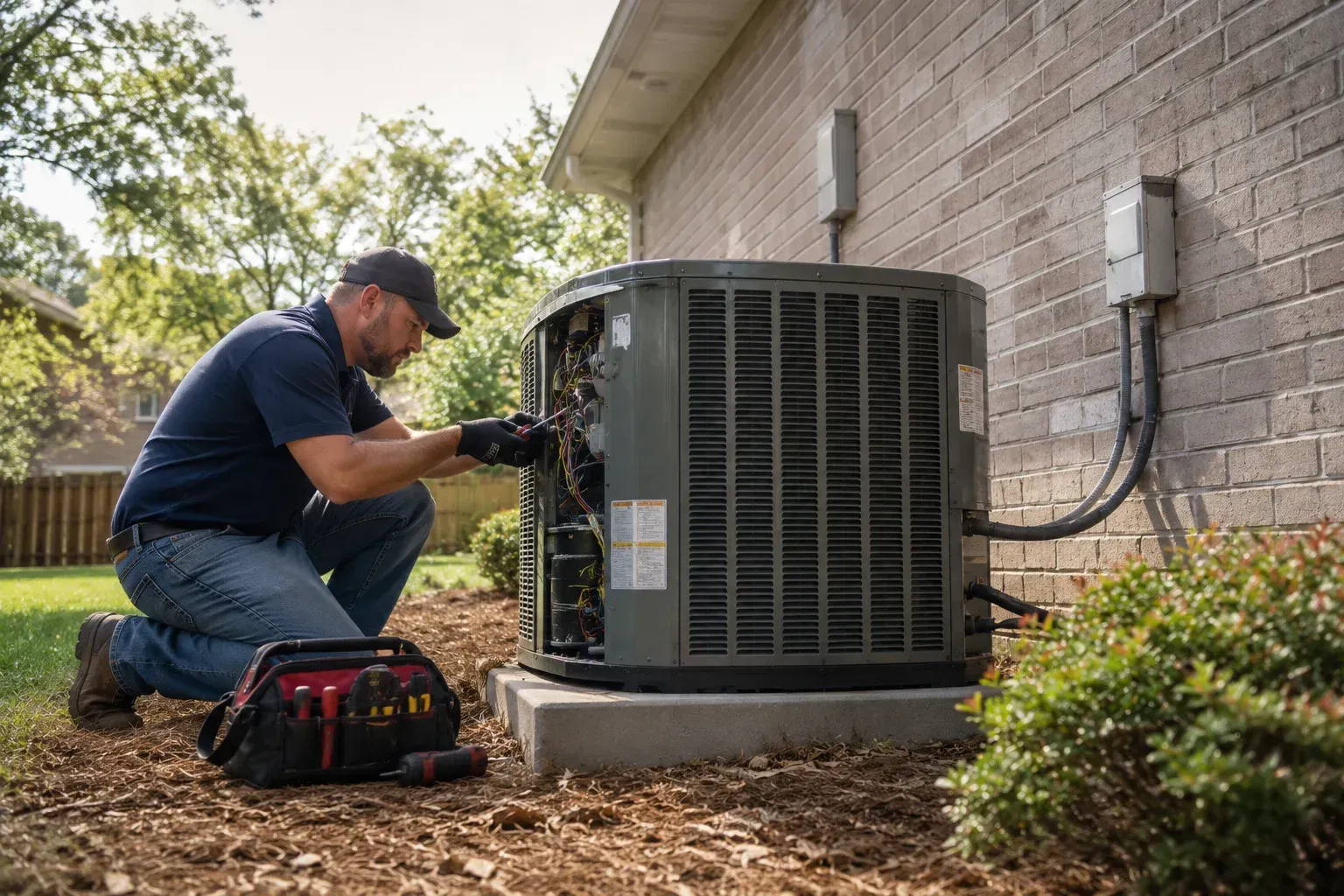
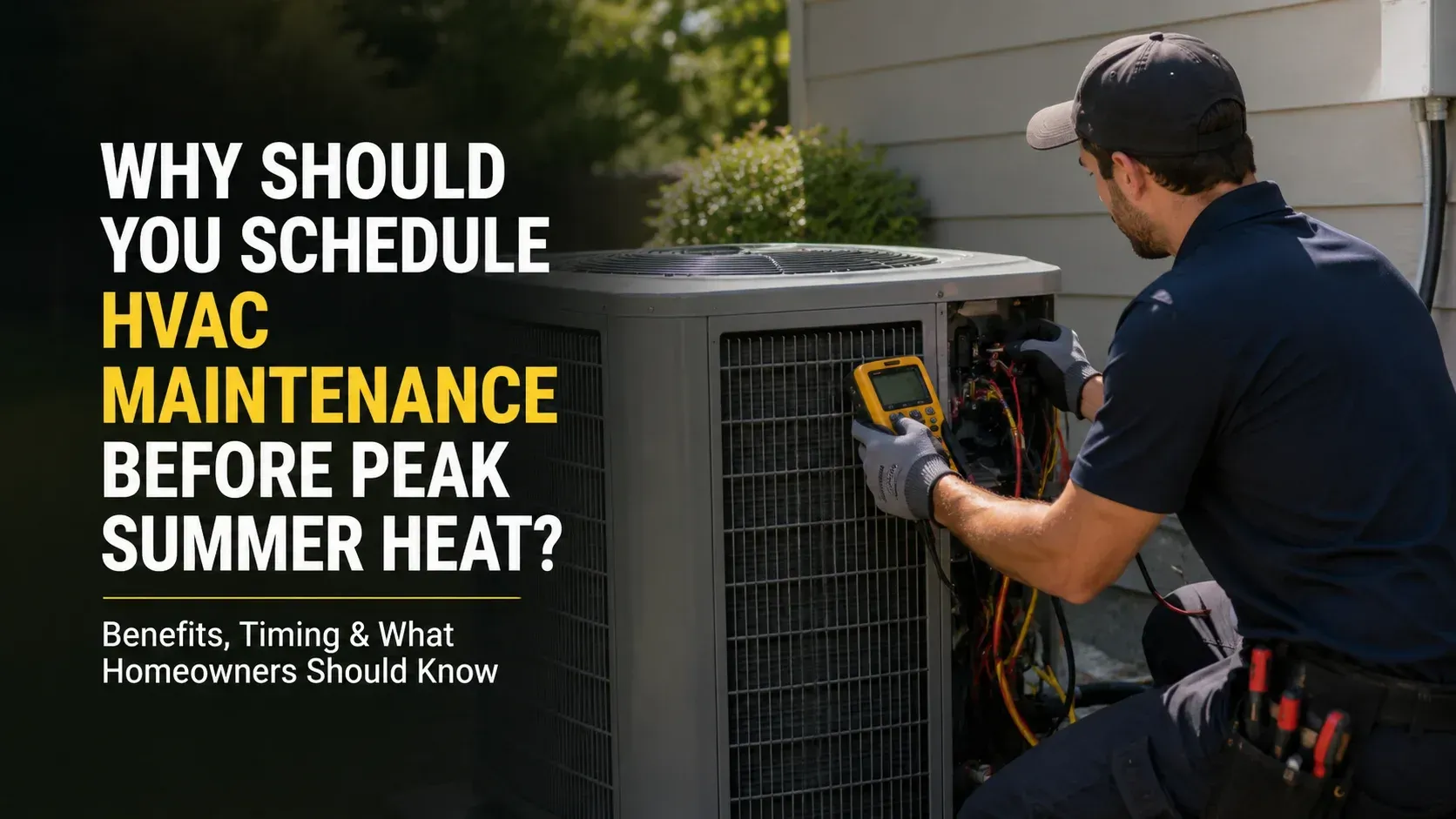
A typical seasonal tune-up covers several parts of the system rather than just one component. Common areas checked include:
- Airflow and filters - checking for blockages or restricted airflow through the ductwork
- Refrigerant levels - confirming levels are within the range specified for the unit
- Electrical connections - looking for loose wiring or worn contacts that could affect performance
- Thermostat calibration - verifying the thermostat reads and responds to temperature changes accurately
- Condenser and coil condition - inspecting for dirt, debris, or corrosion that could affect heat exchange
Each of these areas plays a role in how well the system performs once summer demand increases. A technician may also note components that appear worn but aren't yet causing a problem, giving you time to plan for future costs rather than face them unexpectedly.
Risks of Waiting Until Peak Heat
Delaying maintenance until the middle of summer carries a few practical risks worth understanding.
Longer Repair Wait Times
Service providers across the industry tend to experience higher call volumes once temperatures rise. This can mean it takes longer to get an appointment, which is an uncomfortable position to be in during a heat wave.
Increased Strain on an Already Weak Component
If a part of the system is already showing early signs of wear, running it at full capacity during peak heat can accelerate that wear. This doesn't guarantee failure, but it does raise the likelihood of the issue becoming more noticeable or more costly to address later.
Higher Energy Costs During Peak Usage
An unmaintained system often uses more energy to reach the same cooling output. Combined with the fact that electricity rates and usage both tend to climb in summer, this can compound into a higher utility bill during the months when the system is working hardest.
Why Horton, AL Summers Add to the Urgency
Horton's summer climate combines heat with high humidity, which places additional demand on cooling systems compared to drier regions. Humidity makes it harder for a home to feel cool even at the same thermostat setting, so AC units often run longer to compensate.
This extended run time means any inefficiency, however small, gets magnified over the course of the season. Scheduling
preventive HVAC care
ahead of these conditions gives your system a better starting point heading into the months when it's under the most consistent demand.
How Maintenance Differs From Repair
It's worth being clear about the distinction between maintenance and repair, since the two serve different purposes.
Maintenance is a scheduled, preventive check meant to catch small issues and confirm the system is operating within normal parameters. Repair addresses a specific problem that has already developed, whether that's a failed component, a refrigerant leak, or an electrical fault.
Routine
routine HVAC maintenance doesn't replace the need for repairs when something breaks. It's a separate practice aimed at reducing how often those repairs come up unexpectedly.
What Homeowners and Business Owners Can Expect
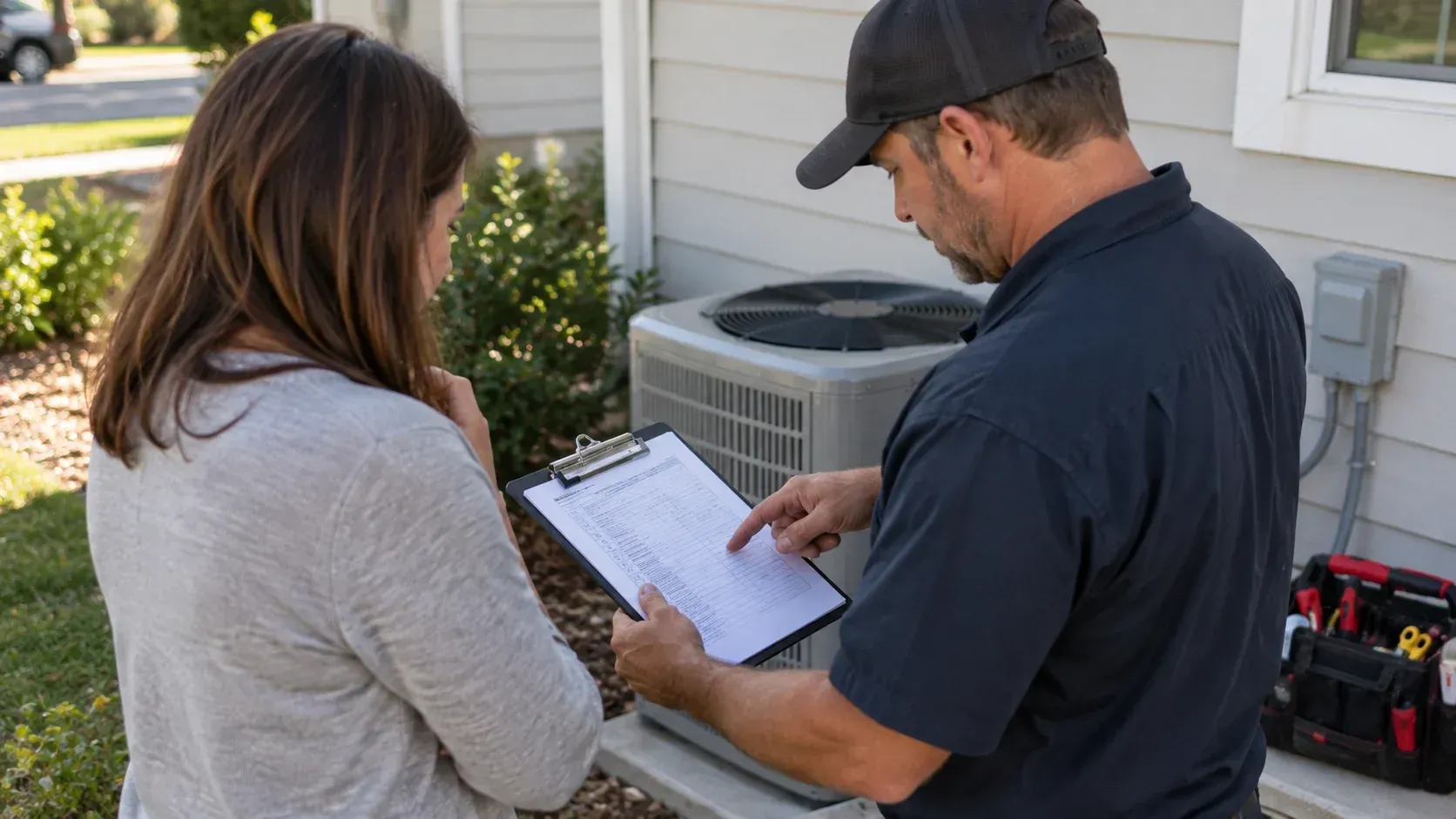
A typical maintenance visit takes roughly one to two hours, depending on the size and complexity of the system. During this time, a technician usually walks through a checklist covering the areas mentioned earlier in this article.
Business owners with commercial HVAC systems may find that maintenance takes longer, since commercial units often involve more components or serve larger spaces. In either case, the technician should be able to explain what was checked, what condition the system is in, and whether anything needs closer attention.
If a technician identifies a developing issue, it may be worth discussing options for
AC repair services
before that issue affects performance during peak summer months.
Limitations of Preventive Maintenance
It's important to be upfront about what maintenance can and cannot do. Regular maintenance does not guarantee that a system won't break down, nor does it extend the life of every component indefinitely.
Older systems, units nearing the end of their expected lifespan, or systems that have been neglected for years may still experience issues even with regular maintenance. Maintenance is best understood as a way to reduce the likelihood of avoidable problems, not as a way to eliminate risk entirely.
Weather extremes, manufacturing defects, and normal wear over time are all factors outside the scope of what a maintenance visit can control.
Conclusion
Scheduling HVAC maintenance before peak summer heat gives your system a chance to be checked while demand is still low, which can help identify developing issues before they become urgent. This timing also tends to avoid the scheduling backlogs that come with summer's higher repair volume.
For homeowners and business owners in Horton, AL, where humidity and extended heat place additional demand on cooling systems, early maintenance is a practical step toward more predictable performance. It's not a guarantee against future issues, but it is a reasonable way to reduce the chances of avoidable ones.
Wondering If Your AC Is Losing Cooling Power?
If you're weighing whether now is the right time to schedule maintenance, a short discovery call can help clarify what to expect. This isn't a sales pitch or a promise of specific results. It's simply a chance to ask questions and get clear, informed answers about your system before summer demand increases. You can reach out through our contact us page to start that conversation.
Frequently Asked Questions
How far in advance should I schedule HVAC maintenance before summer?
Many homeowners schedule maintenance in early spring, though timing can vary based on your system's condition and local climate patterns.
Does HVAC maintenance prevent all breakdowns?
No. Maintenance reduces the likelihood of avoidable issues, but it cannot guarantee that a system won't experience a mechanical failure.
How long does a typical maintenance visit take?
Most residential visits take one to two hours, though this can vary depending on the system's size and condition.
Is HVAC maintenance different from a repair visit?
Yes. Maintenance is a scheduled, preventive check, while repair addresses a specific problem that has already occurred.
Can I do HVAC maintenance myself?
Homeowners can handle basic tasks like filter checks, but electrical and refrigerant-related work typically requires a licensed technician.
Will maintenance lower my energy bill?
It may support more efficient operation, though actual energy costs depend on multiple factors, including usage habits and outdoor temperatures.
What if maintenance reveals a bigger issue?
If a technician finds a developing problem, they can walk you through your options so you can make an informed decision about next steps.
Related Posts