How Often Should Your AC Run in Summer and When Is It Too Much?
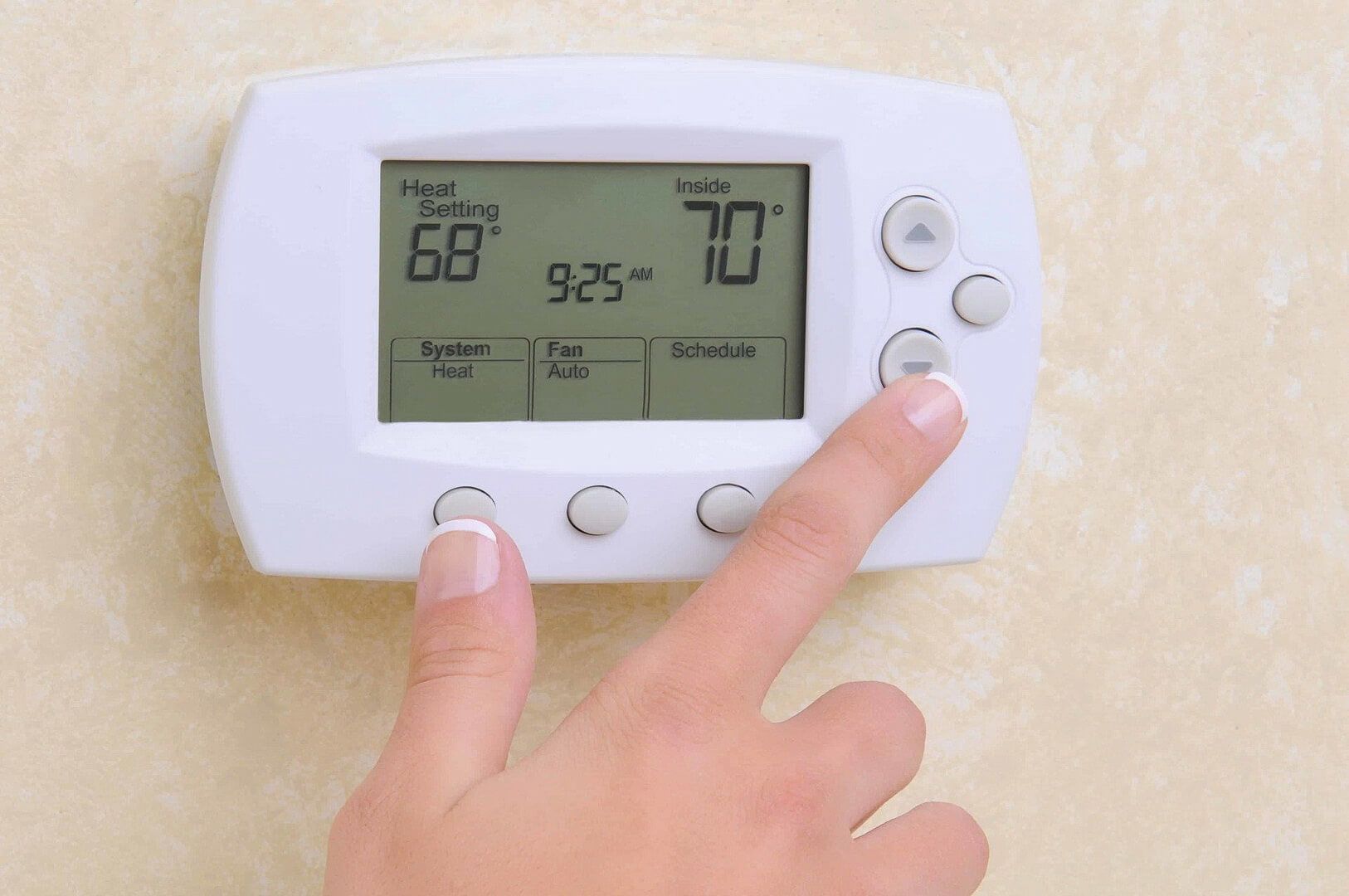
Table of Contents
- Introduction
- Understanding Normal AC Cycling: What to Actually Expect
- Why Is My AC Running Constantly?
- What Causes Short-Cycling?
- Benefits of a Properly Cycling AC System
- Related Insights and Resources
- Common Mistakes to Avoid
- When Should You Speak With an HVAC Professional?
- What to Remember
- Concerned About How Your AC System Is Running?
- Frequently Asked Questions
Key Takeaways
- A healthy AC system typically runs in 2-3 cycles per hour, with each cycle lasting 15-20 minutes under normal summer conditions.
- In Alabama's extreme summer heat, longer and more frequent cycles are expected — but an AC that never turns off is a warning sign.
- Short-cycling (frequent on/off in under 10 minutes) is just as problematic as constant running and usually points to a system sizing or refrigerant issue.
- High humidity readings indoors, rising energy bills, or uneven room temperatures often accompany abnormal cycling patterns.
- Persistent cycling problems are usually a sign of a system fault or sizing mismatch that benefits from a professional assessment.
Introduction
In a typical Alabama summer, a well-functioning AC should run roughly 2-3 cycles per hour, with each cycle lasting between 15 and 20 minutes. If your system is running constantly without cycling off, or cycling on and off every few minutes, something's likely off. For homeowners in Horton, AL experiencing persistent issues, understanding normal AC run cycles is the first step — and knowing when those patterns signal a need for professional HVAC service or installation can save you significant money and discomfort.
The question of how often an AC should run sounds simple, but the honest answer involves a few variables: the outside temperature, your home's insulation, the size of your system, and how well it's been maintained. Understanding what normal looks like makes it much easier to spot when something's gone wrong.
Understanding Normal AC Cycling: What to Actually Expect
Air conditioners aren't designed to run non-stop. They work in cycles — turning on to bring the temperature down to the thermostat setpoint, then shutting off until the temperature rises again. That rhythm is what normal looks like.
The 2-3 Cycles Per Hour Benchmark
Under moderate conditions, most residential systems cycle 2-3 times per hour. Each cycle typically runs for 15-20 minutes. That means at any given hour, your AC might be actively running for 30-60 minutes — which can sound like a lot, but is perfectly normal.
How Alabama's Summer Heat Changes the Equation
When outdoor temperatures push into the high 30s Celsius (90s Fahrenheit), which is routine across Alabama from June through September, your system will naturally run longer and cycle more frequently. On a 38°C day, it's not unusual for an AC to run for extended periods to maintain a comfortable indoor temperature of around 22-24°C. That's the system doing its job, not struggling.
What changes the calculation is whether the system is actually achieving the set temperature. If it's running near-constantly but the house is still 28°C inside, that's a different story.
What Short-Cycling Looks Like
Short-cycling is when the AC turns on and off rapidly — completing a 'cycle' in under 10 minutes, often several times in an hour. Rather than running long enough to properly cool and dehumidify the space, the system starts, barely makes a dent, shuts off, and then fires up again almost immediately. It wastes energy, causes unnecessary wear on the compressor, and typically leaves the house feeling muggy even if the temperature is borderline acceptable.
Why Is My AC Running Constantly?
A system that runs non-stop during a 40°C heatwave might simply be working hard. But if it runs continuously day and night without cycling off, even during cooler morning hours, the following causes are worth examining:
Undersized System
An AC that's too small for the space it's trying to cool will run indefinitely and still not get there. This is one of the more common issues in homes that have been extended or renovated without reassessing the HVAC capacity. The system isn't broken — it's just outmatched.
Dirty Air Filter or Blocked Coils
Restricted airflow forces the system to work harder and run longer for the same output. A filter clogged with dust and pet hair, or evaporator coils that haven't been cleaned in years, can significantly impair how efficiently the system moves heat.
Refrigerant Levels Are Low
Low refrigerant reduces the system's heat-exchange capacity. The compressor keeps running trying to hit the thermostat setpoint, but can never quite get there. Over time, this also causes the compressor to overheat and wear prematurely.
Duct Leaks or Insulation Problems
Cooled air leaking into the ceiling cavity, wall cavities, or unconditioned crawl spaces is wasted output. If the ducts haven't been inspected in years, significant energy can be escaping before it reaches the living areas.
Thermostat Placement or Calibration
A thermostat located near a heat source — a sunny window, a lamp, or a heat-generating appliance — will read the temperature as warmer than the rest of the room, keeping the system running longer than necessary. Similarly, a thermostat that's out of calibration may not signal the system to shut off at the right moment.
What Causes Short-Cycling?
Short-cycling is usually a sign of one of three things:
Oversized System
Paradoxically, an air conditioner that's too large for the home cools the space so quickly that it satisfies the thermostat before properly dehumidifying the air. The result is a house that feels cool but clammy, with the system cycling on and off constantly. This is one of the most important reasons a proper load calculation matters when sizing a new HVAC installation — bigger doesn't mean better.
Low Refrigerant
Low refrigerant can cause short-cycling as well as constant running, depending on how the system responds to the pressure drop. If the low-pressure safety switch is tripping, the system will cut out early in the cycle.
Electrical or Control Board Issues
Faulty wiring, a malfunctioning control board, or a failing capacitor can cause the system to cut out prematurely. These are faults that require a technician to diagnose safely.
Benefits of a Properly Cycling AC System
Lower Energy Bills
A system that cycles correctly — running long enough to achieve efficient steady-state operation but not so long that it's fighting a losing battle — uses energy most effectively. Both constant running and short-cycling are energy-inefficient modes of operation.
Better Humidity Control
Dehumidification happens as a by-product of cooling. The evaporator coil condenses moisture from the air as it passes over it. A system that short-cycles doesn't run long enough to remove meaningful humidity, leaving the home feeling sticky. In a humid Alabama summer, this matters.
Extended Equipment Life
Compressors wear most during startup. A system that short-cycles puts the compressor through that startup stress far more frequently than it should, which accelerates wear. Correct cycling — and correct sizing — is one of the best things you can do for equipment longevity.
Consistent Comfort
Even temperature distribution throughout the home is a function of proper cycling. A short-cycling system creates temperature swings; a constantly-running system may never achieve the setpoint at all. Neither scenario is comfortable.
Related Insights and Resources
Abnormal cycling patterns are often related to the same issues that cause an AC to stop cooling effectively. If your system is cycling constantly but not achieving the set temperature, the underlying problem may overlap with the common causes covered in why your AC isn't cooling the house.
A few practical checks worth doing alongside any cycling assessment:
- Verify the thermostat is set to 'auto' not 'on' — the 'on' setting runs the fan continuously regardless of cooling demand
- Check for blocked or closed supply and return vents throughout the home
- Look for visible ice on the indoor or outdoor unit, which indicates a refrigerant or airflow issue
- Monitor whether the issue is consistent across the day or mainly during peak afternoon heat
- Note whether specific rooms are harder to cool — this can indicate duct or insulation problems rather than a whole-system issue
Common Mistakes to Avoid
- Setting the thermostat to a very low temperature to 'make it cool faster' — this doesn't speed up cooling and causes the system to run longer than necessary.
- Assuming constant running is just the system 'working hard' — prolonged inability to reach the setpoint is a sign of a problem, not just effort.
- Ignoring short-cycling because the house feels acceptable — the compressor is taking on unnecessary wear every time it starts.
- Running the system with a visibly dirty filter because 'it seems fine' — airflow restriction compounds over time and often causes coil freezing.
- Delaying a sizing assessment for a new system — an oversized or undersized replacement creates the same cycling problems as a failing old unit.
When Should You Speak With an HVAC Professional?
Some cycling issues resolve with simple maintenance — a filter change, clearing debris from the condenser, or adjusting the thermostat location. But the following situations are worth a professional look:
- The system runs for more than 30-40 minutes without reaching the thermostat setpoint, even during mild weather
- You notice short-cycling (on/off in under 10 minutes) happening repeatedly
- Energy bills have increased without any obvious change in usage
- Indoor humidity feels high even when the AC has been running
- The system is more than 10 years old and has never had a refrigerant check or coil cleaning
- You're replacing a system and want to ensure correct sizing before installation
Proper system sizing is particularly important at replacement. A qualified technician performs a Manual J load calculation to determine the right capacity for your specific home — accounting for insulation levels, window area, orientation, and local climate. Getting that right at installation time prevents the cycling problems that come with oversized or undersized equipment.
What to Remember
Normal AC cycling in summer — 2-3 cycles per hour, each lasting 15-20 minutes — is a sign of a healthy, appropriately sized system. In the heat of an Alabama summer, longer run times are expected, but the system should still be achieving the thermostat setpoint.
Both constant running and short-cycling are signals worth investigating. They point to different problems, but both affect comfort, energy costs, and equipment life. The earlier those signals are acted on, the less likely they are to turn into a compressor replacement or a system breakdown in the middle of a heatwave.
Concerned About How Your AC System Is Running?
If your system's cycling pattern doesn't match what you'd expect — running non-stop, short-cycling, or struggling to hit the set temperature — Silas HVAC can help work out what's going on. The team serves homeowners across Horton, AL and the surrounding area with honest assessments and practical recommendations. If it turns out your system needs attention or you're considering a new HVAC installation, getting the sizing and setup right from the start makes all the difference. Get in touch to arrange a time that suits you.
Silas HVAC provides information and system assessments to help homeowners understand available solutions based on their property and needs. Contact us!
Frequently Asked Questions
How do we know if our AC is cycling too frequently or not enough?
A healthy system runs 2-3 cycles per hour in summer, with each cycle lasting 15-20 minutes. If it's cycling more than 3 times per hour or less than once, that's worth investigating — both patterns suggest an underlying issue.
Why does our AC seem to run all day without cooling the house down?
Constant running without reaching the setpoint usually points to an undersized system, low refrigerant, restricted airflow from a dirty filter, or duct leaks. A professional inspection can identify which of these is at play.
Is it normal for our AC to run more on extremely hot days in Alabama?
Yes — longer run times are expected when outdoor temperatures are very high. The system has more heat to remove. The key marker is whether it actually achieves the set temperature, even if it takes longer.
What does short-cycling mean for our energy bills?
Short-cycling increases energy costs because compressor startups use more power than steady operation. Frequent short cycles add up, and the wear on the compressor can lead to costly repairs if the underlying cause isn't addressed.
How does system size affect how often our AC cycles?
An oversized system cools too quickly, satisfying the thermostat before properly dehumidifying — causing short-cycling. An undersized system runs constantly trying to reach the setpoint. Correct sizing, based on a load calculation, produces normal cycling behaviour.
Related Posts