How Often Should You Replace Your HVAC System in Albertville, Alabama?
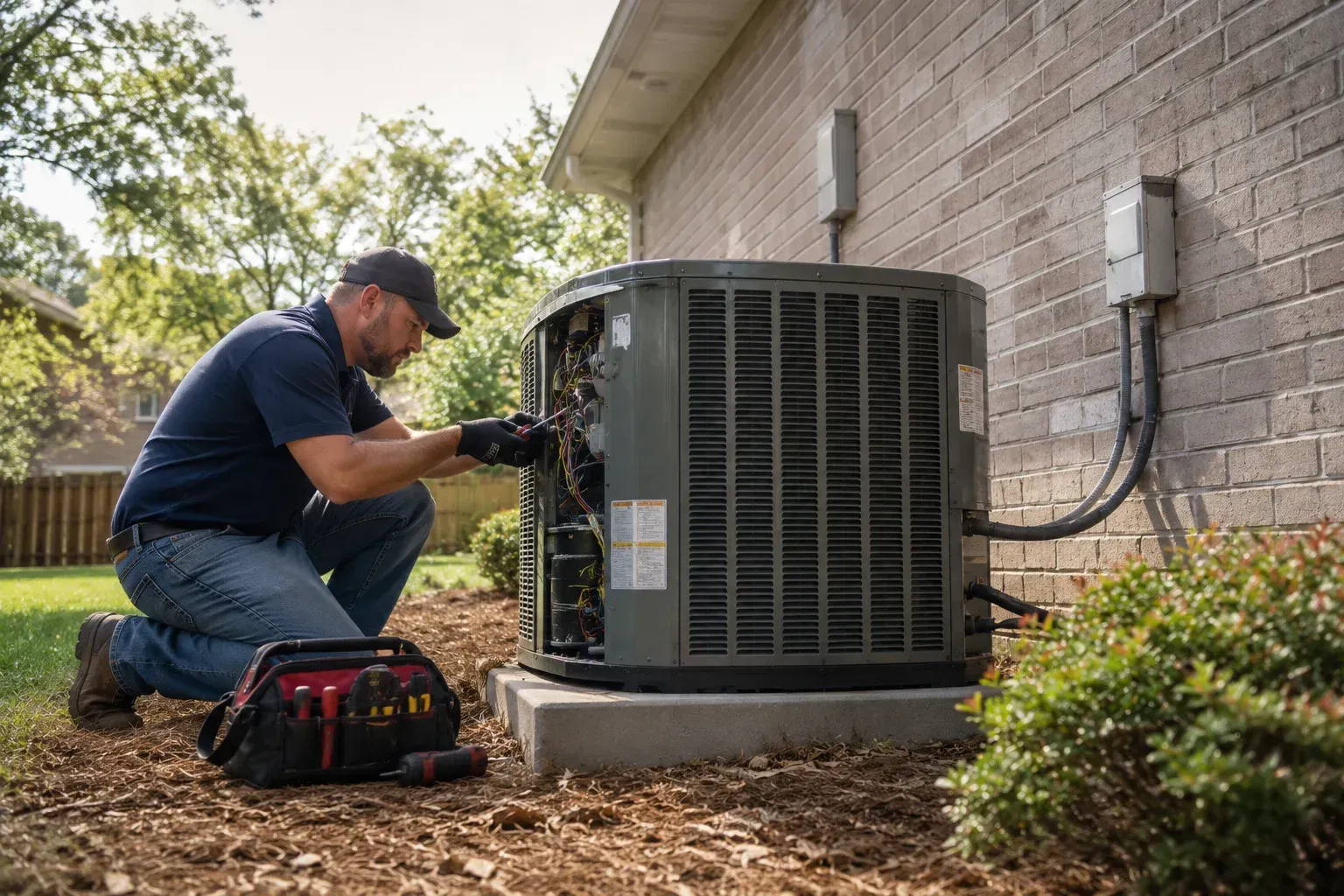
Table of Contents
- Introduction
- What's the Average Lifespan of an HVAC System?
- Signs Your HVAC System Needs Replacement
- Factors That Affect HVAC Replacement Timing
- Albertville Climate Considerations
- Planning for Your HVAC Replacement
- Maintenance's Role in System Longevity
- Conclusion
- Frequently Asked Questions
Key Takeaways
- Most HVAC systems last 15–20 years before replacement becomes necessary.
- Regular maintenance can help extend the life of your equipment.
- Knowing the warning signs helps you plan for replacement before a breakdown occurs.
- Factors like climate, usage, and maintenance directly impact how long your system lasts.
- Planning ahead for replacement prevents emergency repairs and higher costs.
Introduction
Most HVAC systems in Albertville homes last between 15 and 20 years before replacement becomes practical and cost-effective. Knowing when to replace your heating and cooling system helps you avoid emergency breakdowns and unexpected repair costs during peak seasons.
Your HVAC system is one of the biggest investments in your home. It works year-round to keep your family comfortable, but like all mechanical equipment, it eventually wears out. Understanding the typical lifespan and recognizing warning signs allows you to plan ahead rather than react to failures.
This guide covers what you need to know about HVAC replacement timing specific to Albertville and the surrounding areas. We'll walk through realistic timelines, factors that shorten or extend system life, and practical steps for making a replacement decision.
What's the Average Lifespan of an HVAC System?
A typical HVAC system in Alabama homes operates for 15 to 20 years. Some well-maintained systems push into their early 20s, while others require replacement by year 15. The difference usually comes down to how hard the system works and how well it's maintained.
The air conditioning portion of your system tends to wear out slightly faster than the heating side, especially in states like Alabama where cooling demand runs high for much of the year. If you're running your AC from April through October, that's significant wear and tear.
Furnaces and heat pumps that also handle heating in winter can sometimes last a bit longer, but they're not immune to age-related failures. By the time your system hits 18–20 years, replacement parts become harder to find, and repair costs start climbing faster than the cost of a new unit.
Signs Your HVAC System Needs Replacement
Rather than waiting for your system to simply stop working, watch for warning signs that indicate replacement is worth considering. These signs don't always mean immediate failure, but they're worth discussing with a technician.
Rising Repair Costs. If you're calling for repairs two or three times a year, your repair bills add up quickly. Once a system hits 15 years and you're spending $500 to $1,500 on repairs annually, a new system often makes financial sense.
Uneven Heating or Cooling. Some rooms stay comfortable while others remain too hot or too cold. This often signals that your system is struggling to maintain balance across your home.
Strange Noises or Smells. Grinding, squealing, or rattling sounds suggest internal wear. Odd smells coming from vents could indicate electrical issues or internal component failure.
Reduced Airflow. If your vents aren't pushing air like they used to, your system is working harder than necessary. This strains the equipment and wastes energy.
Your System Won't Run. This is the most obvious sign. If your system fails to start or cycles on and off constantly, replacement may be the only practical solution. You can read more about specific replacement signs that affect your decision.
Factors That Affect HVAC Replacement Timing
Several factors beyond age determine when your system needs replacement. Understanding these helps you anticipate replacement needs.
System Age and Maintenance History. A 15-year-old system that's had regular maintenance might run another 5 years. A 12-year-old system that's been neglected could fail any month. Your maintenance records matter more than age alone.
Local Climate Demands. Alabama's hot, humid climate puts stress on air conditioning systems. We're not in a mild climate where HVAC systems get occasional use. If you're cooling your home heavily from spring through fall, your system works harder and older faster.
Installation Quality. Systems installed correctly by licensed technicians tend to last longer than poorly installed ones. If your system has always run well, the original installation quality likely contributed to that.
Usage Patterns. Running your system 24/7 in the summer puts more wear on it than moderate use. Households that use programmable thermostats and let temperatures swing a bit often see longer system life.
Albertville Climate Considerations
Albertville sits in a region with hot summers and mild winters. This climate pattern creates specific demands on HVAC systems that you should understand.
The cooling season in Albertville typically runs 6–7 months per year. During this time, AC systems work constantly to manage heat and humidity. That's significantly more strain than systems in cooler climates experience.
Summer temperatures regularly exceed 85–90 degrees, and humidity adds to the workload. Your air conditioning system doesn't just cool the air — it removes moisture too. This dual demand means AC components wear faster here than in drier regions.
Winter heating demand is moderate but not negligible. Systems that handle both heating and cooling face more total annual wear than pure cooling systems. This is normal for our area, but it's worth understanding when evaluating system age.
Planning for Your HVAC Replacement
If your system is approaching 15 years old, start thinking about replacement before it fails. Planning ahead gives you choices and prevents panic decisions.
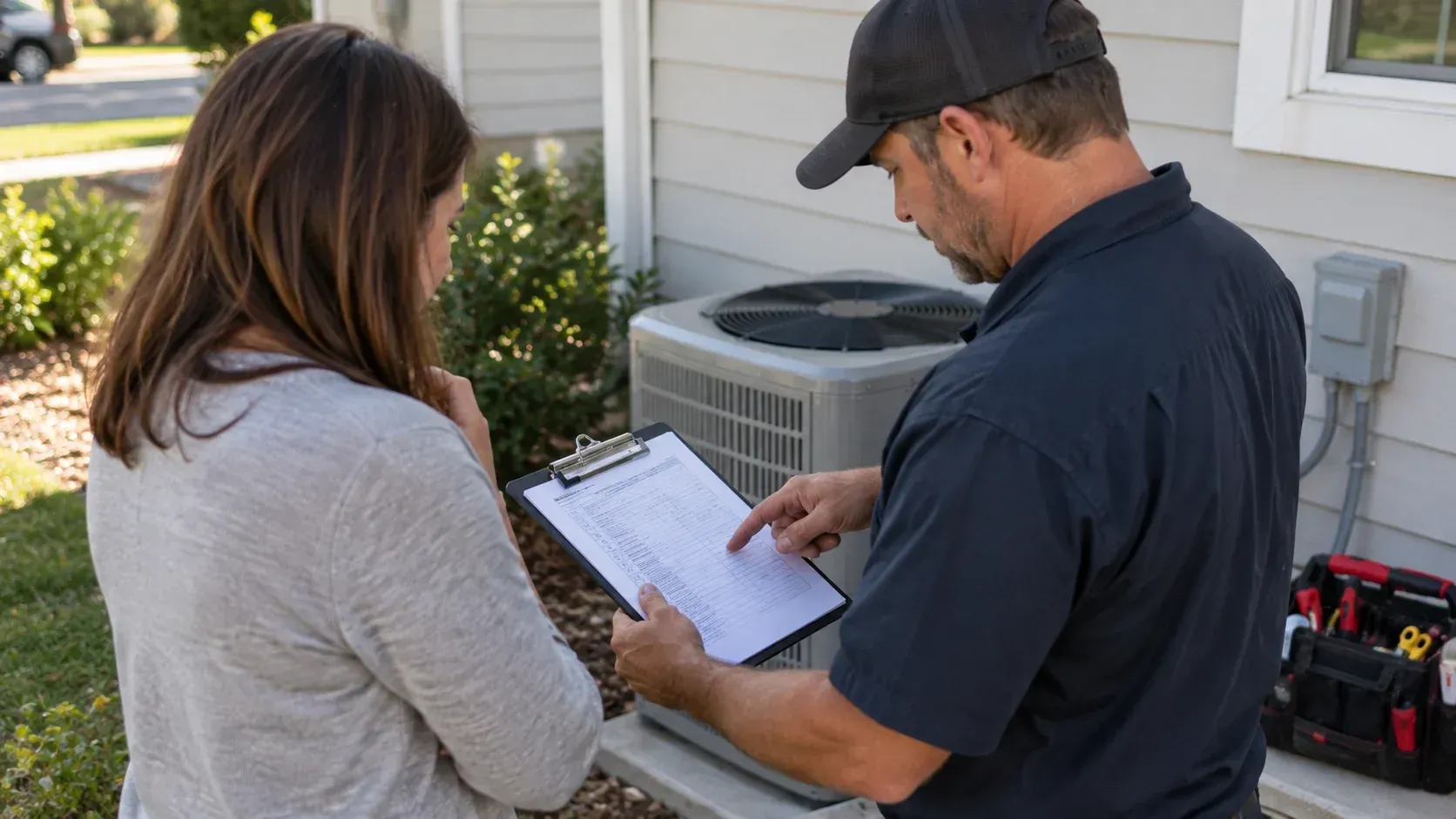
Get a Professional Assessment. A qualified technician can evaluate your system's condition and give honest guidance about remaining life. They'll look at components, efficiency ratings, and repair history to help you decide. This assessment costs money, but it's cheaper than emergency repairs or rushing into replacement.
Check Your System's Efficiency Rating. Older systems have lower SEER (Seasonal Energy Efficiency Ratio) ratings than modern units. New systems often use 20–40% less energy than systems from 10+ years ago. Over time, that energy savings can offset replacement costs.
Consider Timing Strategically. If replacement is likely within the next 1–3 years, schedule it during spring or fall when demand is lower. Emergency replacements in summer heat or winter cold cost more and happen with less preparation.
Budget and Financing. New HVAC systems aren't cheap. Residential system replacement typically ranges from $5,000 to $10,000 depending on your home size and system type. Starting to budget or explore financing options early reduces financial stress when replacement becomes necessary. Understanding how to evaluate system repair versus replacement helps you make the right choice.
Maintenance's Role in System Longevity
You can't make an old system new again, but maintenance directly impacts how long your current system lasts. Think of it like car maintenance — regular oil changes and tune-ups prevent early failure.
Regular Filter Changes. A clean filter reduces strain on your system. Dirty filters force the system to work harder, accelerating wear. Change filters every 1–3 months depending on your home and filter type.
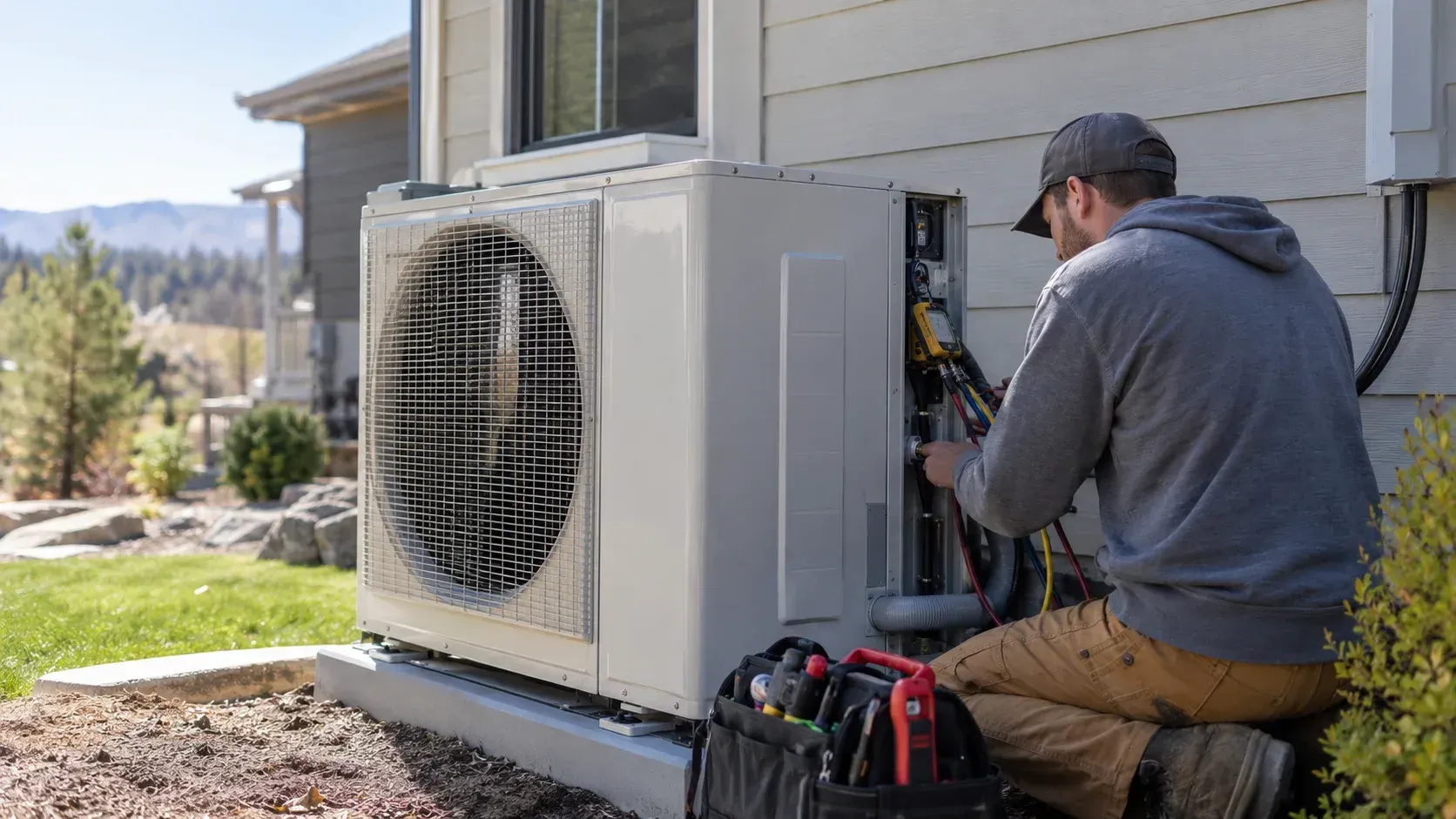
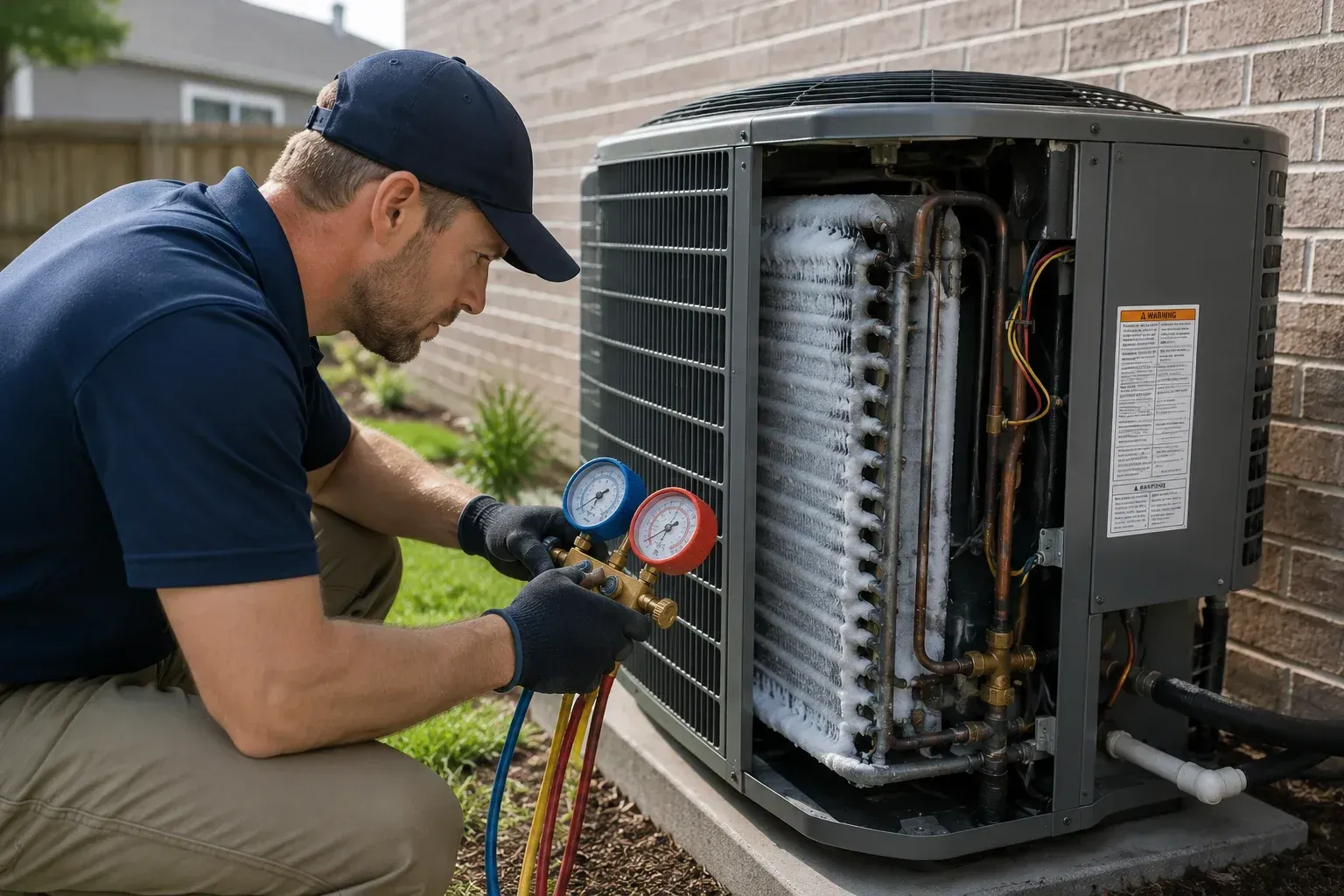
Annual Professional Maintenance. Having a technician perform seasonal maintenance catches small problems before they become big ones. They'll clean coils, check refrigerant levels, inspect electrical connections, and lubricate moving parts. This preventive approach extends system life and improves efficiency.
Keeping Your Outdoor Unit Clear. The outdoor condensing unit needs clear airflow. Keep grass, leaves, and debris away from it. Clean fins carefully with a soft brush. Blocked outdoor units overheat and fail prematurely.
Addressing Repairs Promptly. When something stops working normally, have it fixed quickly. A refrigerant leak that goes unaddressed for months damages the compressor. A bad capacitor that's ignored eventually burns out the motor. Small repairs now prevent expensive failures later. Proper preventive maintenance is one of the most practical ways to get the most from your system.
Conclusion
Replacing an HVAC system is a significant home expense, but it's an important one. Most systems in Albertville last 15 to 20 years, and knowing your system's age helps you plan for replacement before it fails unexpectedly.
Pay attention to warning signs like rising repair costs, uneven temperatures, and strange noises. Get a professional assessment when your system is in its mid-teens. Don't wait until your system dies during a summer heat wave or winter cold snap to start considering replacement.
Regular maintenance extends your system's life, but it can't prevent aging forever. When replacement becomes unavoidable, you'll be glad you planned ahead rather than faced an emergency.
Next Steps
If you're not sure whether your HVAC system needs replacement soon, talking with a professional helps clarify your situation. You can discuss your system's current condition, expected remaining life, and what replacement might look like for your home.
This conversation should be straightforward and informational — no pressure to decide immediately or make changes before you're ready. The goal is understanding where you stand so you can make decisions on your own timeline.
Frequently Asked Questions
Residential HVAC system replacement typically costs between $5,000 and $10,000 installed, depending on your home size, ductwork condition, and the efficiency level you choose. High-efficiency systems cost more upfront but save money on energy bills over time. Getting multiple estimates helps you understand pricing in your specific area.
You can replace just the outdoor AC unit in some cases, but it depends on your system's age and configuration. Very old furnaces paired with new AC units sometimes have compatibility issues. A technician can evaluate whether your existing equipment works well with a new AC unit or if full system replacement makes more sense.
Generally, if repair costs exceed 50% of replacement cost, replacement becomes more economical. A $1,000 repair on a $5,000 system might be worth it. A $2,500 repair on that same system probably isn't. Your system's age and repair history should factor into this decision too.
Modern systems are significantly more efficient than older ones. New systems with high SEER ratings use less energy to heat and cool your home. Actual savings depend on your current system's efficiency, how you operate the new system, and local energy costs. Some homeowners see 20–30% reductions in heating and cooling costs.
Yes, maintenance is still worthwhile even if replacement is planned for the next year or two. It keeps your current system running reliably while you plan for replacement. Breaking down before you're ready for replacement creates expensive emergency repairs you'd rather avoid.
Spring and fall are typically better times than summer or winter. During peak seasons, contractors are busier, wait times are longer, and you're more uncomfortable if your system has issues. Off-season replacement often happens faster and sometimes costs less.
An undersized system can't keep up with heating or cooling demands. An oversized system cycles on and off constantly, wasting energy and wearing out faster. Proper sizing requires calculating your home's heating and cooling needs based on square footage, insulation, windows, and local climate. A professional assessment determines if your current system is appropriately sized.
Related Posts