Why Is My AC Not Cooling the House and How Do I Fix It?
Table of Contents
- Introduction
- Understanding the Problem: Why Your AC Isn’t Cooling Properly
- How HVAC Installation and Professional Assessment Can Help
- The Real Benefits of a Properly Functioning AC System
- Related Insights and Maintenance Tips
- Common Mistakes to Avoid When Your AC Isn’t Cooling
- When Should You Speak With an HVAC Professional?
- Wrapping It Up
- Need Honest HVAC Advice for Your Horton, AL Home?
- Frequently Asked Questions
Key Takeaways
- A dirty air filter is one of the most common — and easily fixed — reasons an AC struggles to cool your home.
- Refrigerant leaks, frozen evaporator coils, and oversized or undersized systems are frequent culprits that need professional attention.
- Alabama's summer heat puts extra strain on HVAC systems, making regular maintenance especially important.
- Some issues, like clogged filters or thermostat settings, can be resolved without a technician.
- Persistent cooling problems are a strong sign your system may need a professional assessment or upgrade.
Introduction
If your AC is not cooling the house properly, the most likely causes include a dirty air filter, low refrigerant, frozen coils, or a system that's no longer suited to your home's needs. A quick check of your filter and thermostat is a good starting point, but deeper problems often require a professional look. For homes in Horton, AL dealing with serious cooling failures, exploring HVAC installation options may be the most practical path forward.
Alabama summers are no joke. When the mercury climbs past 90°F and your air conditioner starts labouring — or worse, pumping out lukewarm air — it's more than uncomfortable. It's a sign that something in your cooling system isn't right. The good news is that many of the most common causes are identifiable, and some are even fixable without a service call.
Understanding the Problem: Why Your AC Isn't Cooling Properly
Before diving into fixes, it helps to understand what's actually happening inside your system. An air conditioner works by pulling warm air over a cold evaporator coil, transferring heat to refrigerant, and releasing that heat outside. When any part of that cycle breaks down, your home stays warm.
Here are the most common reasons an AC stops cooling effectively:
Dirty or Blocked Air Filter
A clogged air filter restricts airflow through the system. Without adequate airflow, the evaporator coil can't absorb enough heat, and your home temperature barely budges. This is the first thing to check — and one of the simplest to fix. Filters in Alabama homes during summer should typically be checked every 30 days.
Low Refrigerant or a Refrigerant Leak
Refrigerant is the substance that actually carries heat out of your home. If there's a leak — even a slow one — your system loses its ability to cool effectively. Signs include ice forming on the refrigerant lines, a hissing or bubbling sound near the unit, or a noticeable decline in cooling over weeks. Low refrigerant isn't a DIY fix; it requires a licensed technician.
Frozen Evaporator Coil
Counterintuitively, ice on your AC is a cooling problem, not a cooling solution. A frozen evaporator coil blocks airflow entirely, causing the system to run constantly without actually lowering the temperature. Restricted airflow (often from that dirty filter) or low refrigerant are the usual triggers.
Condenser Unit Issues
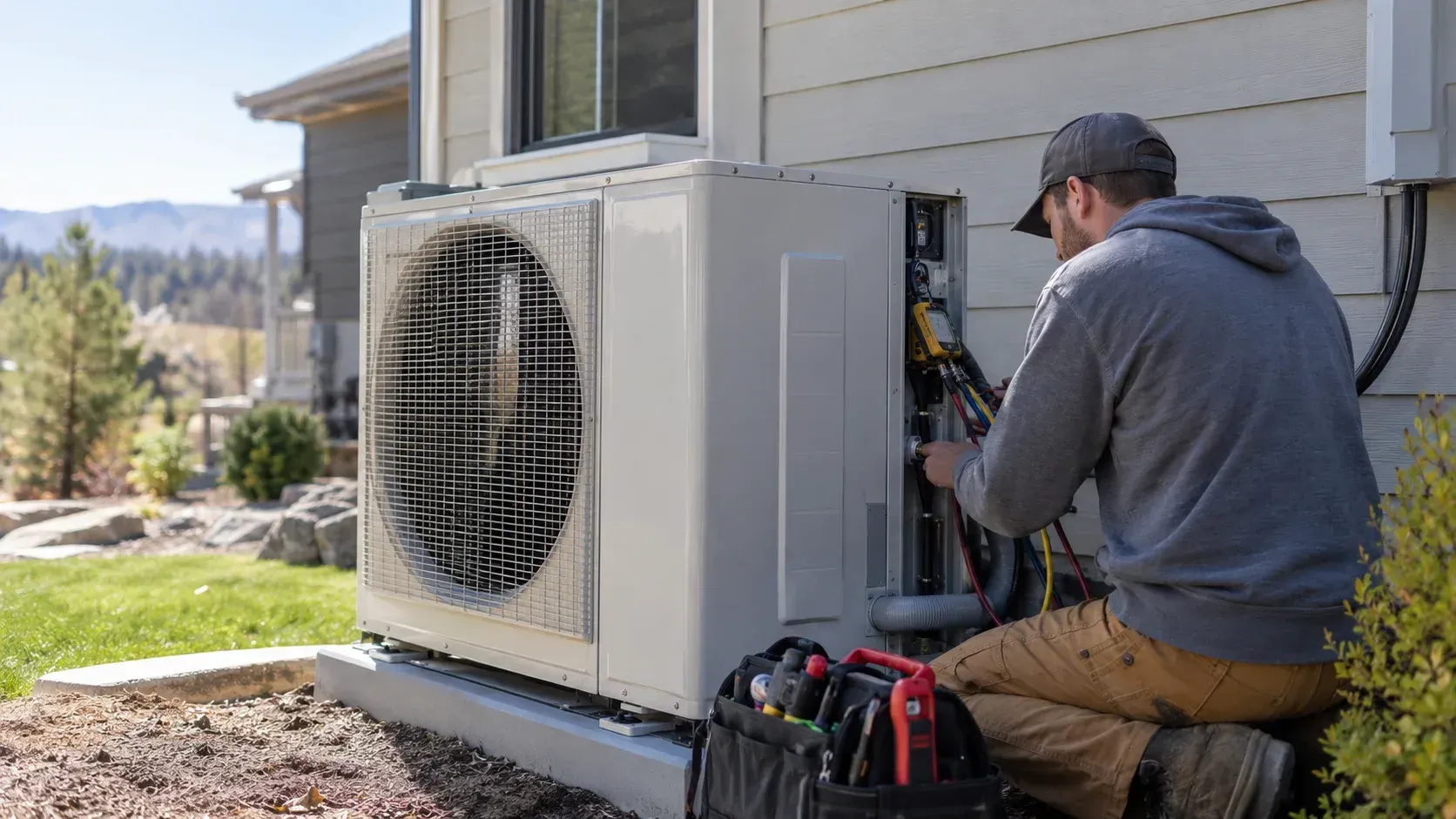
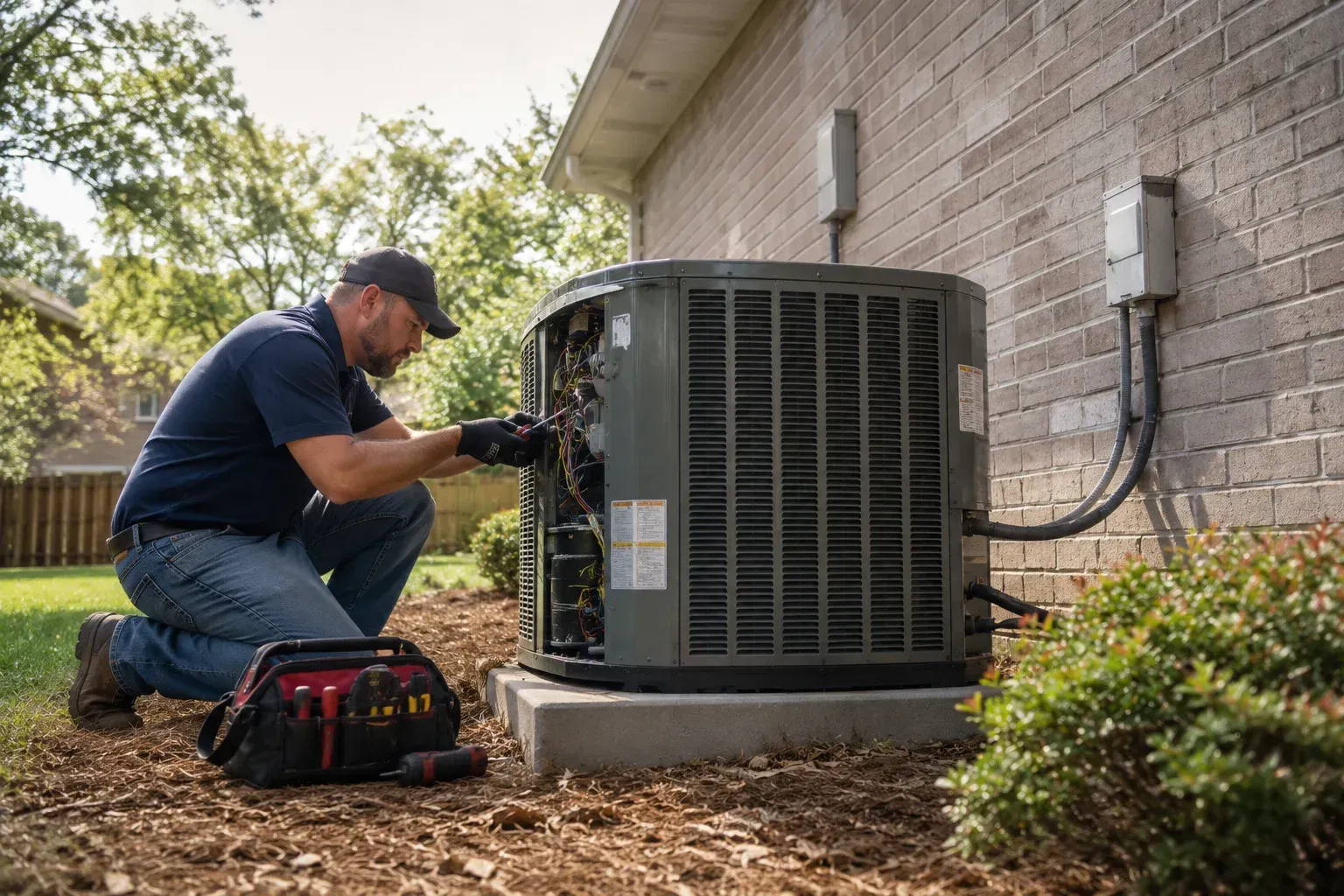
The outdoor condenser unit releases heat from your home. If it's covered in dirt and debris, surrounded by overgrown vegetation, or if the fan has stopped working, the heat has nowhere to go — and your home stays warm. In Alabama's humid climate, keeping that unit clear of grass clippings and outdoor debris is worth doing regularly.
Thermostat Problems
Sometimes it's not the AC at all. If your thermostat is malfunctioning, sitting in direct sunlight, or simply set incorrectly, it can send the wrong signals to your system. A thermostat reading the room as cooler than it is will tell the AC to cycle off too soon.
System Size Mismatch
An AC that's too small for your home will run continuously and never quite catch up. One that's too large will short-cycle — turning on and off rapidly — which reduces dehumidification and leaves the house feeling clammy even if the temperature drops. This is less common in newer installations but fairly common in older homes where systems were replaced without a proper load calculation.
How HVAC Installation and Professional Assessment Can Help
When basic troubleshooting doesn't resolve the issue, a professional evaluation is the logical next step. A qualified HVAC technician can diagnose problems that aren't visible to the homeowner — including refrigerant levels, electrical faults, and heat exchanger issues. In some cases, a new HVAC installation is the most cost-effective outcome, particularly for systems over 10-15 years old.
What a Professional Assessment Covers
- Checking refrigerant charge and identifying leaks
- Inspecting and cleaning evaporator and condenser coils
- Testing thermostat calibration and electrical connections
- Evaluating system capacity relative to your home's square footage and layout
- Assessing ductwork for leaks or blockages
When Repair vs Replacement Makes Sense
A general rule of thumb: if the repair cost exceeds 50% of the price of a new system, and the unit is more than 10 years old, replacement typically offers better long-term value. Newer systems also run more efficiently, which can mean meaningful reductions in monthly energy bills — something that adds up quickly over an Alabama summer.
The Real Benefits of a Properly Functioning AC System
A functioning AC isn't just about comfort. In a humid Gulf Coast climate like Alabama's, air conditioning plays a role in managing indoor air quality, reducing humidity levels, and maintaining a healthier living environment.
Comfort and Livability
Consistent cooling makes a home genuinely livable during summer. Poor cooling doesn't just mean sweating — it can mean disrupted sleep, difficulty concentrating, and heat-related health concerns for the elderly and young children.
Energy Efficiency
A system working overtime to compensate for a refrigerant leak, dirty coils, or undersized capacity uses significantly more electricity. Fixing the underlying problem — or upgrading to a properly sized, energy-efficient system — often leads to lower monthly bills even in peak summer months.
Extended Equipment Life
Addressing minor issues before they become major ones extends the life of your equipment. A system that's constantly running at maximum capacity because it's struggling to cool wears out faster than one operating within its design parameters.
Indoor Air Quality
Properly functioning AC systems also help manage humidity and filter airborne particles. A struggling system that short-cycles or can't maintain temperature often does a poor job of dehumidification — which can contribute to musty odours and mould growth in humid Alabama conditions.
Related Insights and Resources
Understanding why your AC isn't cooling is easier with a broader picture of how your system should be operating. A related question many homeowners ask is how frequently their system should actually be running — because a unit that runs constantly can be just as problematic as one that doesn't run enough.
You might find it helpful to read about how often your AC should run in summer and when it's too much — a question that gets to the heart of whether your system is the right size and in good working order.
A few maintenance habits that directly affect cooling performance:
- Replace or clean air filters monthly during summer in Alabama
- Clear at least 60cm of space around your outdoor condenser unit
- Have refrigerant levels checked if you notice a gradual decline in performance over seasons
- Keep vents open and unobstructed — closing vents in unused rooms can actually increase system pressure and cause problems
- Schedule an annual service before summer arrives rather than waiting for a problem to develop
Common Mistakes to Avoid When Your AC Isn't Cooling
- Turning the thermostat down drastically — setting the temperature to 16°C won't cool your home faster, but it will make the system run until it freezes.
- Ignoring a frozen outdoor unit — if you see ice forming anywhere on the system, turn it off and let it thaw before investigating further.
- Closing off vents to 'redirect' airflow — modern HVAC systems are designed to work with all vents open; closing them creates pressure imbalances.
- Delaying filter changes — a filter that looks grey or visibly blocked is overdue and actively harming your system's performance.
- Adding refrigerant without fixing the leak — topping up refrigerant when there's an underlying leak is a temporary measure, not a solution.
- Assuming the problem will resolve itself — a system that's struggling this week will likely be struggling harder next week during a heatwave.
When Should You Speak With an HVAC Professional?
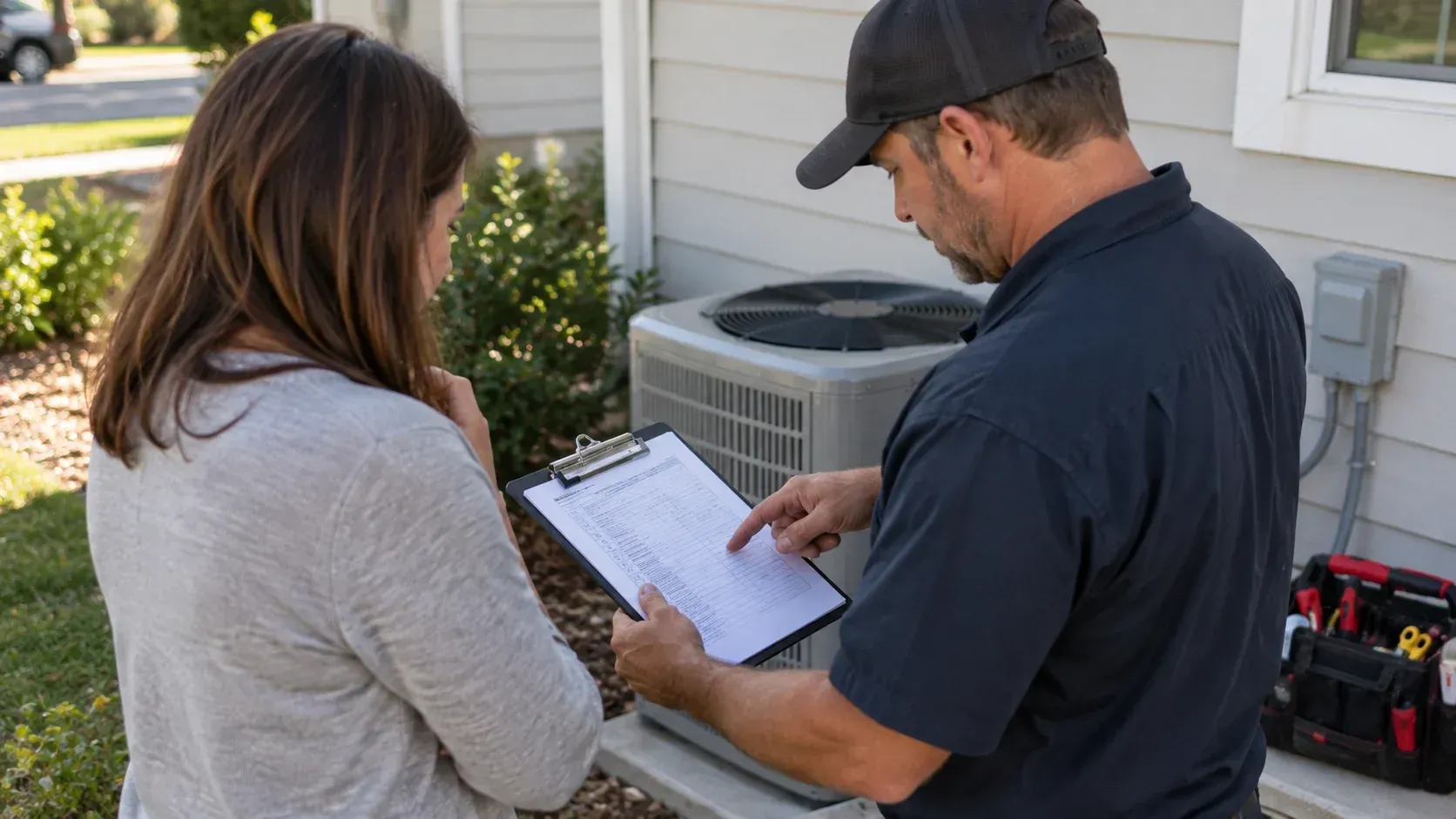
Not every cooling issue requires a technician. A dirty filter, a tripped circuit breaker, or a thermostat in the wrong mode are all things a homeowner can check and fix in minutes. But there are clear situations where professional assessment is worth arranging:
- Your system is running constantly but the house temperature isn't dropping
- You've noticed ice on the refrigerant lines or the indoor unit
- There are unusual sounds — hissing, banging, or grinding — coming from the system
- Your energy bills have increased noticeably without a corresponding change in usage
- The system is more than 12-15 years old and has never been professionally serviced
- Rooms in the house cool unevenly despite adequate airflow
These aren't reasons to panic, but they are signals that something deserves attention before it becomes a more expensive repair — or a complete breakdown during the hottest week of the year.
Wrapping It Up
An AC that's not cooling the house properly can usually be traced back to one of a handful of common causes — restricted airflow, refrigerant issues, coil problems, or a system that's no longer up to the job. Some of these are easy to address yourself; others genuinely need a qualified technician.
The most important thing is not to ignore the signs. A system running hard without results is costing you money and heading towards a bigger problem. Taking the time to diagnose the issue — even just by eliminating the simple causes first — puts you in a much better position before Alabama's summer really kicks in.
Need Honest HVAC Advice for Your Horton, AL Home?
If your air conditioner isn't keeping up and you're not sure whether a repair or replacement makes more sense, Silas HVAC is worth a conversation. The team works with homeowners across Horton and the surrounding area to diagnose cooling problems accurately and recommend practical solutions — not upsells. Whether the issue turns out to be a simple fix or a sign that it's time to look at a new HVAC system, getting a professional opinion takes the guesswork out of it. Reach out to arrange an assessment at a time that works for you.
Silas HVAC provides information and system assessments to help homeowners understand available solutions based on their property and needs. Contact us!
Frequently Asked Questions
Why is our AC running but not cooling the house down?
The most common reasons include a dirty air filter restricting airflow, low refrigerant due to a leak, or a frozen evaporator coil. Check your filter first — if it's blocked, that's often the culprit.
How do we know if our AC needs refrigerant?
Signs of low refrigerant include ice on the refrigerant lines, a gradual decline in cooling performance over weeks, or hissing sounds near the unit. A licensed technician is needed to check and recharge refrigerant safely.
Can we fix an AC not cooling the house ourselves?
Some issues — like replacing a dirty filter, checking the thermostat settings, or clearing debris around the outdoor unit — are straightforward DIY tasks. Refrigerant leaks, coil problems, and electrical faults need a professional.
How long should it take our AC to cool the house?
In typical Alabama summer conditions, a properly sized and functioning system should lower the indoor temperature by around 1-2 degrees per hour. If it's barely making a dent after several hours, something's not right.
At what point should we consider replacing our AC instead of repairing it?
If the system is more than 12-15 years old and the repair cost exceeds half the price of a replacement, upgrading often makes more financial sense — especially given the efficiency improvements in modern systems.
Related Posts