How to Avoid Costly Heat Pump Repairs with Proper Maintenance
A heat pump system is one of the most efficient ways to keep a home comfortable year-round. However, like any HVAC unit, it requires regular maintenance to function at its best. Neglecting upkeep can lead to expensive breakdowns, higher energy bills, and an uncomfortable home. Fortunately, with the right maintenance routine, we can minimize heat pump repair costs and extend the life of the system.
In this guide, we’ll cover essential maintenance tips, from simple DIY tasks to professional servicing. By following these steps, we can keep our heat pump system running smoothly and avoid unexpected failures.
Understanding How a Heat Pump System Works
Before diving into maintenance, it’s important to understand how a heat pump system operates. Unlike traditional furnaces or air conditioners, a heat pump transfers heat rather than generating it.
- In the winter, it extracts heat from the outside air and moves it indoors.
- In the summer, it reverses the process, removing heat from inside the home and releasing it outdoors.
Because a heat pump system runs year-round, it experiences more wear and tear than seasonal HVAC units. This makes regular maintenance essential to prevent breakdowns and reduce heat pump repair costs over time.
Regularly Replace or Clean Air Filters
One of the simplest yet most effective maintenance tasks is keeping air filters clean. Dirty filters restrict airflow, forcing the heat pump system to work harder, leading to inefficiency and potential damage.
How often should we replace the filter?
Every one to three months, depending on usage and household factors like pets and allergies.
More frequently if the heat pump system is running constantly or if air quality is poor.
Benefits of clean filters:
- Improved airflow and efficiency
- Lower heat pump repair costs by preventing motor strain
- Better indoor air quality
Neglecting this simple step can lead to frozen coils, overheating, and even system failure, which means searching for heat pump repair near you sooner than expected.
Keep the Outdoor Unit Clear of Debris
The outdoor unit of a heat pump system plays a crucial role in heat exchange. If it’s obstructed by dirt, leaves, or snow, efficiency drops, and strain increases on the system.
Steps to maintain the outdoor unit:
- Keep at least two feet of clearance around the unit.
- Trim back bushes, grass, or any obstructions.
- Clean off dirt, leaves, and debris every few weeks.
- In winter, remove snow and ice buildup to prevent airflow blockages.
A well-maintained outdoor unit ensures the system operates efficiently and helps avoid unnecessary heat pump repair costs.
Clean the Coils and Fans
Over time, dirt and dust accumulate on the evaporator and condenser coils, reducing efficiency and making the heat pump system work harder.
How to clean the coils:
- Turn off the power to the unit.
- Use a soft brush or vacuum to remove dust buildup.
- For deeper cleaning, use a coil cleaner (available at hardware stores).
- Rinse gently with water, avoiding excessive pressure.
Cleaning the coils regularly prevents overheating and ensures optimal performance, reducing the risk of expensive repairs.
Check and Maintain Refrigerant Levels
Low refrigerant levels can cause serious issues, including reduced heating and cooling efficiency, ice buildup, and compressor damage. If the heat pump system isn’t maintaining the right temperature, low refrigerant could be the culprit.
Signs of refrigerant issues:
- Weak heating or cooling performance
- Ice buildup on the coils
- Hissing or bubbling noises from the system
Since handling refrigerant requires professional expertise, it’s best to call an expert when these issues arise. Searching for heat pump repair near you and scheduling a service can prevent further damage and higher repair costs.
Inspect and Maintain the Thermostat
A faulty thermostat can cause a heat pump system to overwork or short cycle, increasing energy consumption and heat pump repair costs.
Tips for thermostat maintenance:
- Check for accurate temperature readings.
- Replace batteries if needed.
- Consider upgrading to a programmable or smart thermostat for better efficiency.
A properly functioning thermostat helps the heat pump system operate smoothly and reduces unnecessary strain.
Schedule Professional Heat Pump Maintenance
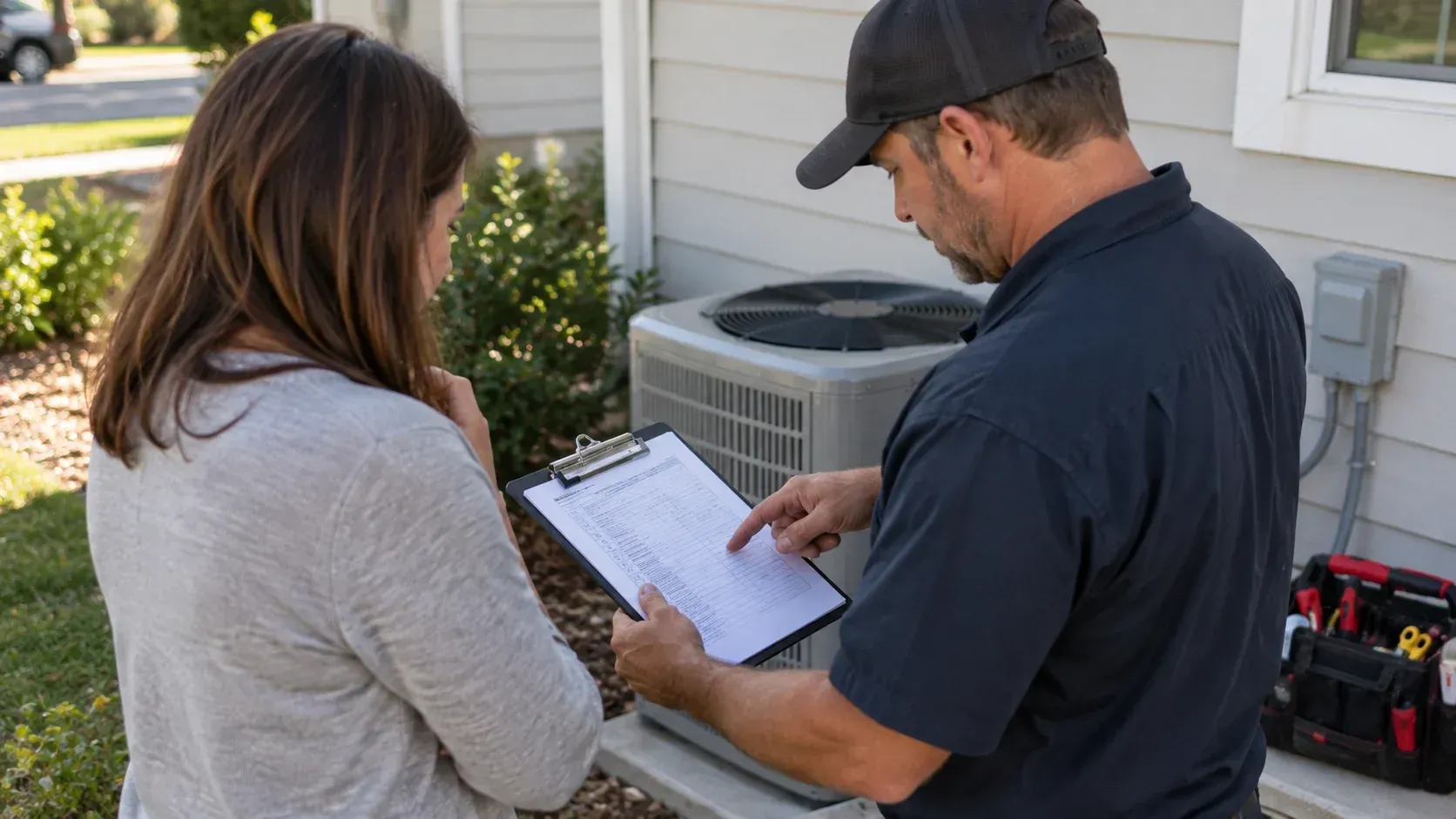
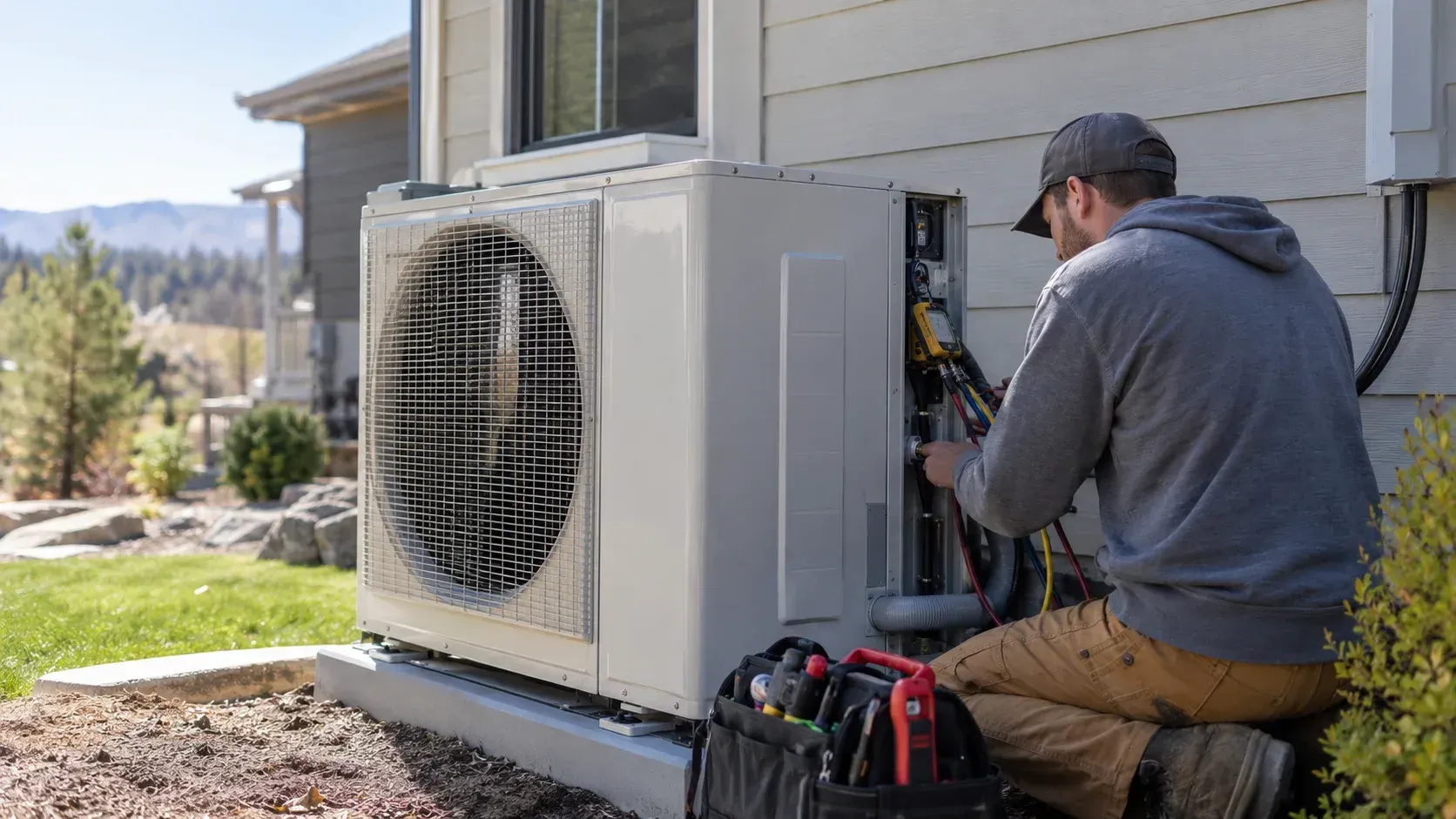
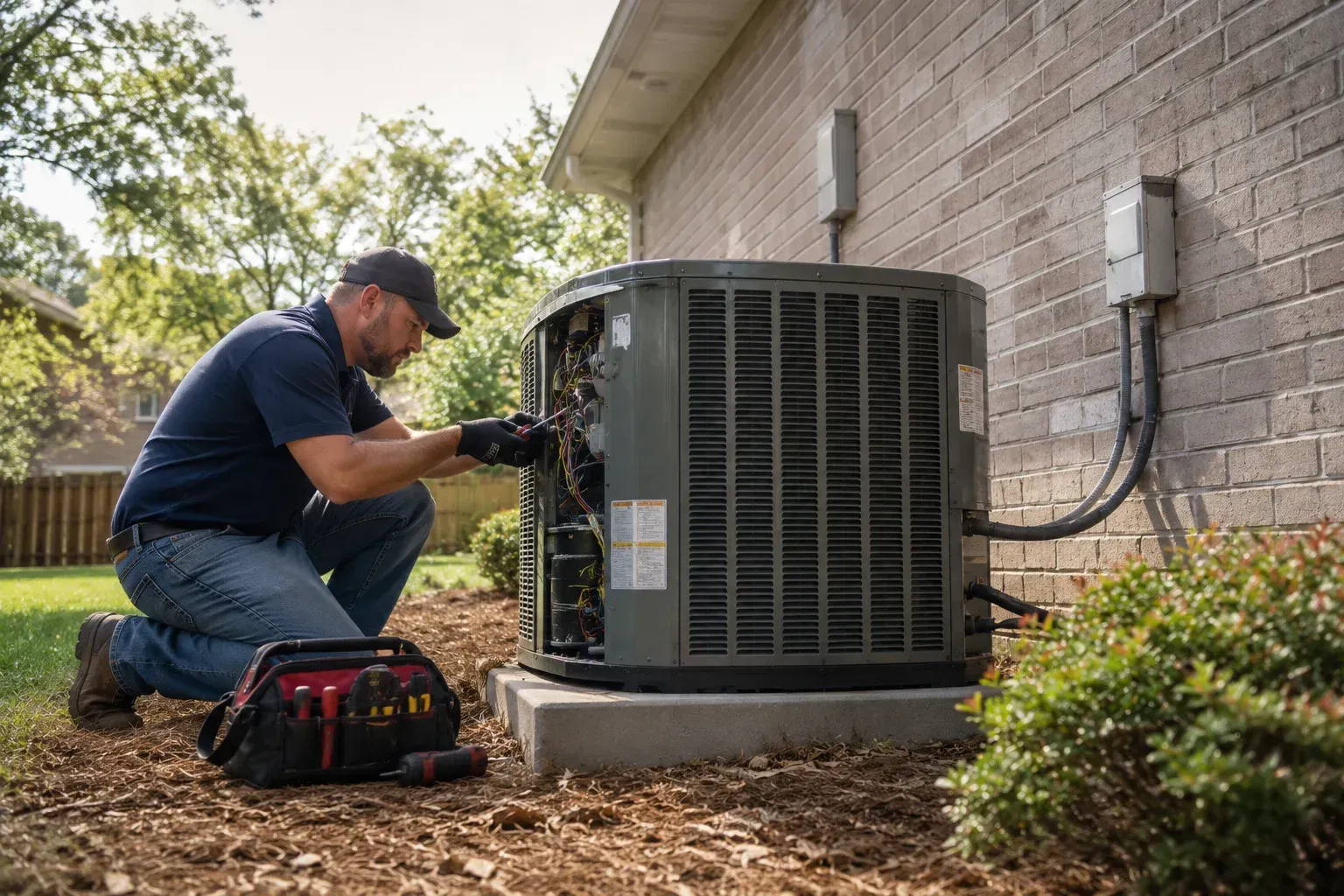
While DIY maintenance is essential, professional servicing ensures the heat pump system stays in top condition.
When to schedule a tune-up:
- At least once a year, preferably before peak seasons (fall and spring).
- If the system is showing signs of inefficiency, unusual noises, or poor performance.
During a professional inspection, an HVAC technician will:
- Check refrigerant levels
- Clean internal components
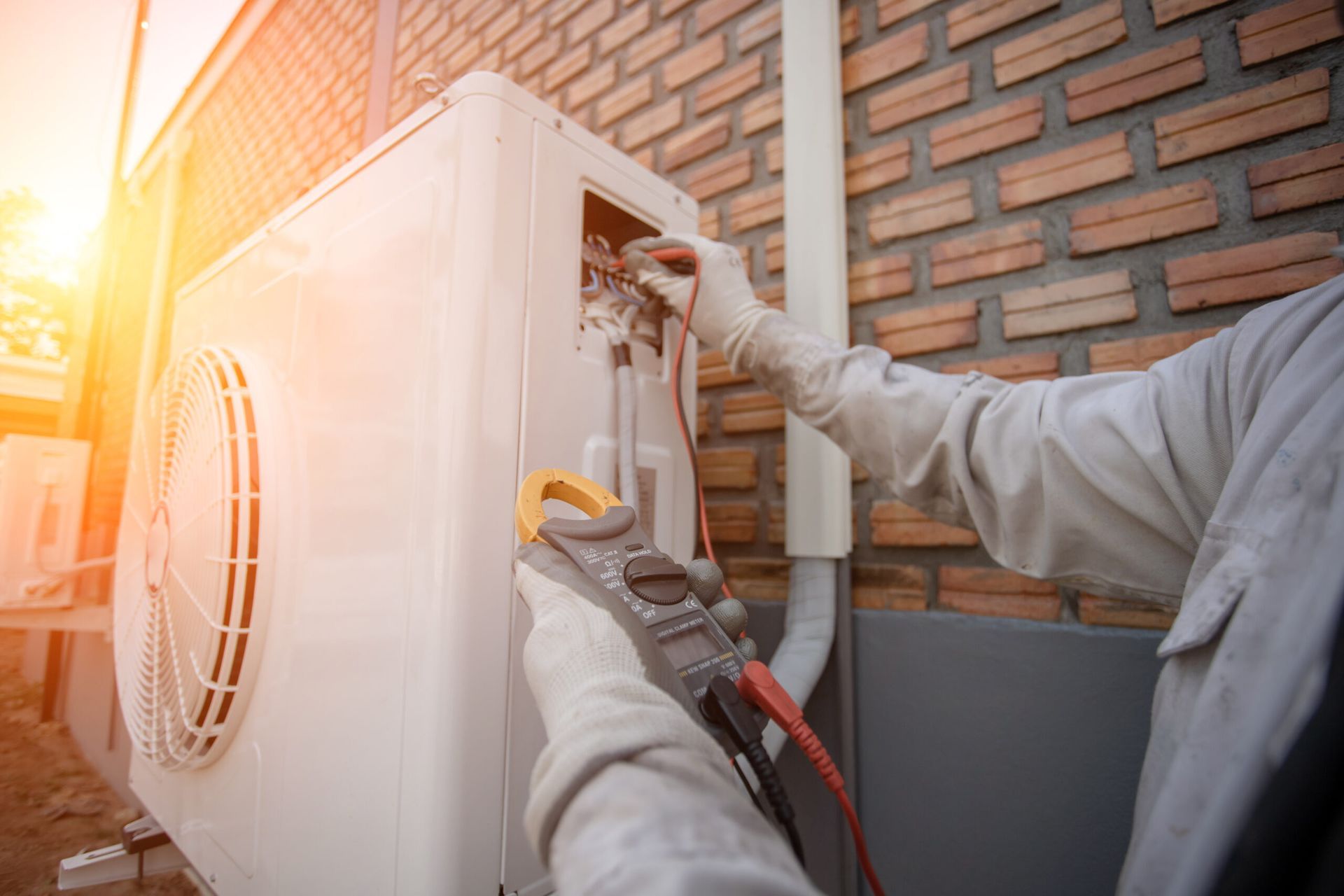
- Inspect electrical connections
- Lubricate moving parts
By investing in regular professional maintenance, we can significantly reduce heat pump repair costs and extend the lifespan of the system.
Watch for Early Signs of Heat Pump Problems
Catching minor issues early prevents major breakdowns. If we notice any of the following warning signs, it’s time to search for heat pump repair near me and schedule a service.
Red flags to watch for:
- Unusual noises (grinding, squealing, or rattling)
- Short cycling (turning on and off frequently)
- Uneven heating or cooling
- Sudden spikes in energy bills
Addressing these issues promptly prevents expensive repairs and ensures the heat pump system remains reliable.
Reducing Heat Pump Repair Costs
A well-maintained heat pump system operates more efficiently, lasts longer, and saves money on repairs. Simple tasks like changing filters, cleaning coils, and keeping the outdoor unit clear can make a big difference.
For professional maintenance or if a problem arises, trust the experts at Silas Heating & Cooling. Whether you need routine service or emergency repairs, we’re here to help. Contact us today at (256) 572-9630 or email us at ssilashvac@yahoo.com to learn more about our services.
By taking proactive steps now, we can avoid costly repairs and ensure the heat pump system keeps our home comfortable all year long.
Frequently Asked Questions
How often should a heat pump system be serviced?
To keep a heat pump system running efficiently, we recommend scheduling professional maintenance at least once a year. Regular servicing helps prevent breakdowns, improves energy efficiency, and reduces heat pump repair costs over time. If the system runs year-round, a bi-annual check-up before peak seasons is ideal.
What factors affect heat pump repair costs?
The total heat pump repair cost depends on the type of issue, replacement parts, and labor. Minor repairs, like thermostat adjustments, can cost around $100, while major issues, such as compressor failure, can exceed $2,000. Regular maintenance helps minimize expensive repairs by catching small problems early.
How can I find reliable heat pump repair near me?
If your system is malfunctioning, searching for heat pump repair near me will help you locate local professionals. When choosing a service provider, look for licensed HVAC technicians with positive reviews and transparent pricing. At Silas Heating & Cooling, we offer expert repair services to keep your heat pump system in top shape
What are the signs that my heat pump system needs repair?
Common signs of trouble include weak airflow, short cycling, unusual noises, and increased energy bills. If your heat pump system isn’t maintaining the right temperature, it may be time to schedule a professional inspection to prevent costly heat pump repair costs down the line.
How can I reduce heat pump repair costs?
Preventative maintenance is the best way to keep heat pump repair costs low. Regularly replacing filters, cleaning coils, and scheduling professional tune-ups can extend the lifespan of your heat pump system. Addressing minor issues early prevents expensive repairs and ensures efficient performance.
Related Posts