Why Choose a Ductless Mini Split in Horton, AL?
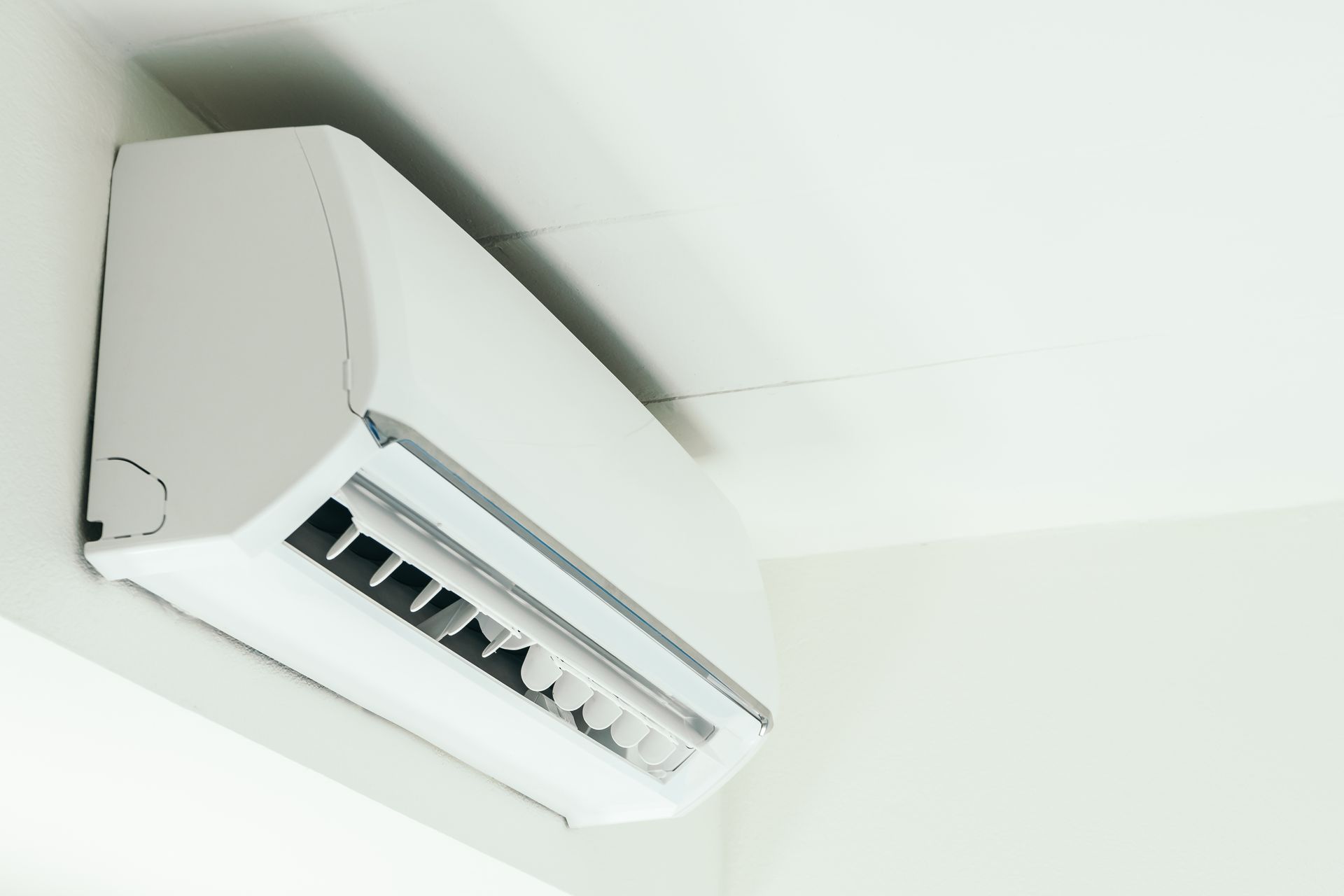
Table of Contents
- Introduction
- What Is a Ductless Mini Split System?
- How Ductless Systems Work in Different Home Types
- Energy Efficiency and Cost Considerations
- Zoned Comfort and Temperature Control
- Installation Process and Requirements
- When a Ductless Mini Split Makes Sense
- Conclusion
- Book a Mini Split Consultation
- Frequently Asked Questions
Key Takeaways
- A ductless mini split offers flexible heating and cooling without ductwork
- Zoning allows better temperature control across different rooms
- Installation is often simpler compared to traditional HVAC systems
- Energy efficiency can improve due to reduced air loss
- Suitable for older homes, additions, and inconsistent temperature areas
Introduction
A ductless mini split is often chosen in Horton, AL because it provides targeted heating and cooling without requiring ductwork, making it practical for many types of homes.
This matters for homeowners and property owners who are exploring efficient, adaptable HVAC solutions, especially in properties where traditional systems may not perform consistently. Understanding how these systems work can help you evaluate whether they align with your space, layout, and comfort needs.
What Is a Ductless Mini Split System?
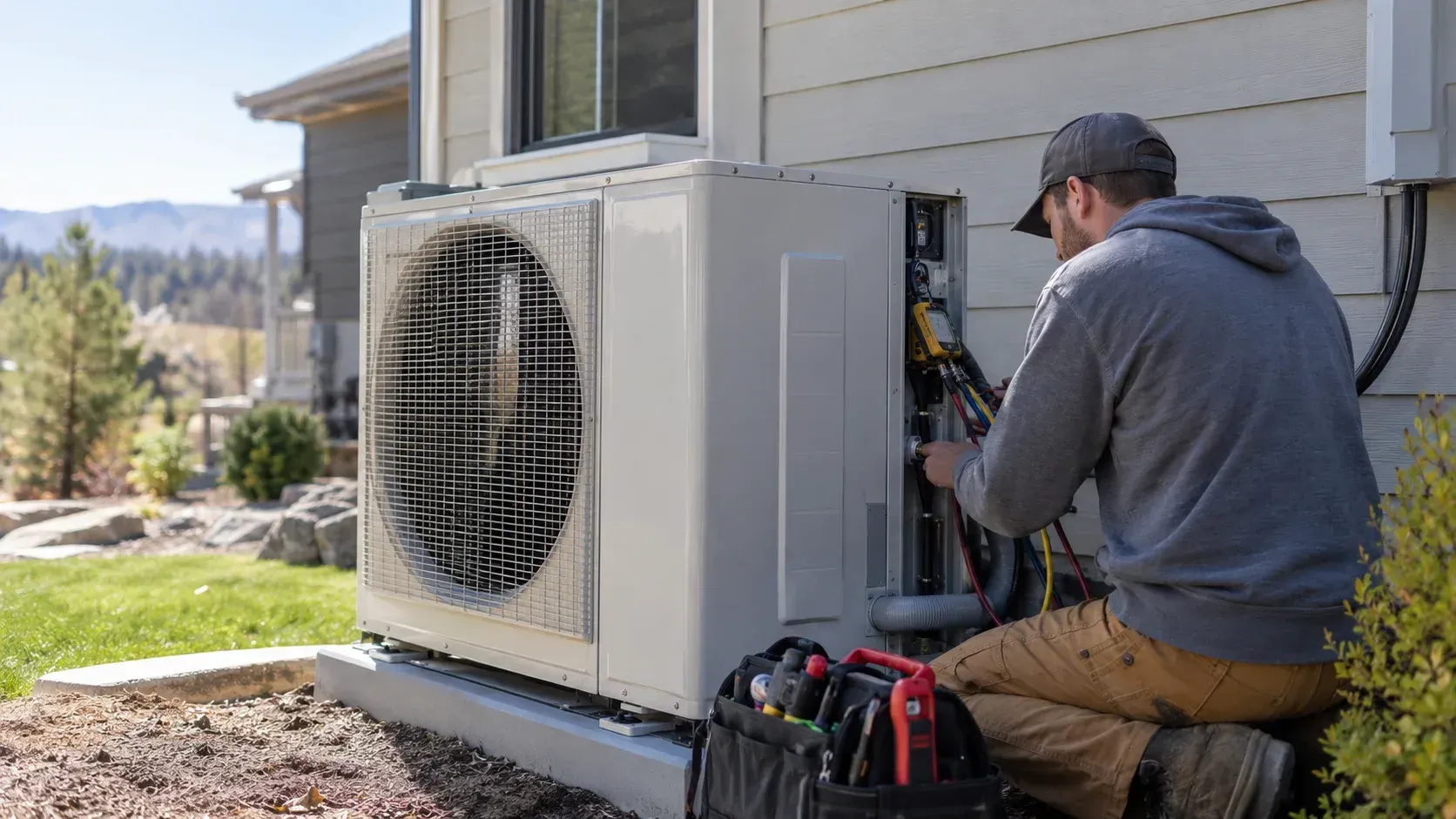
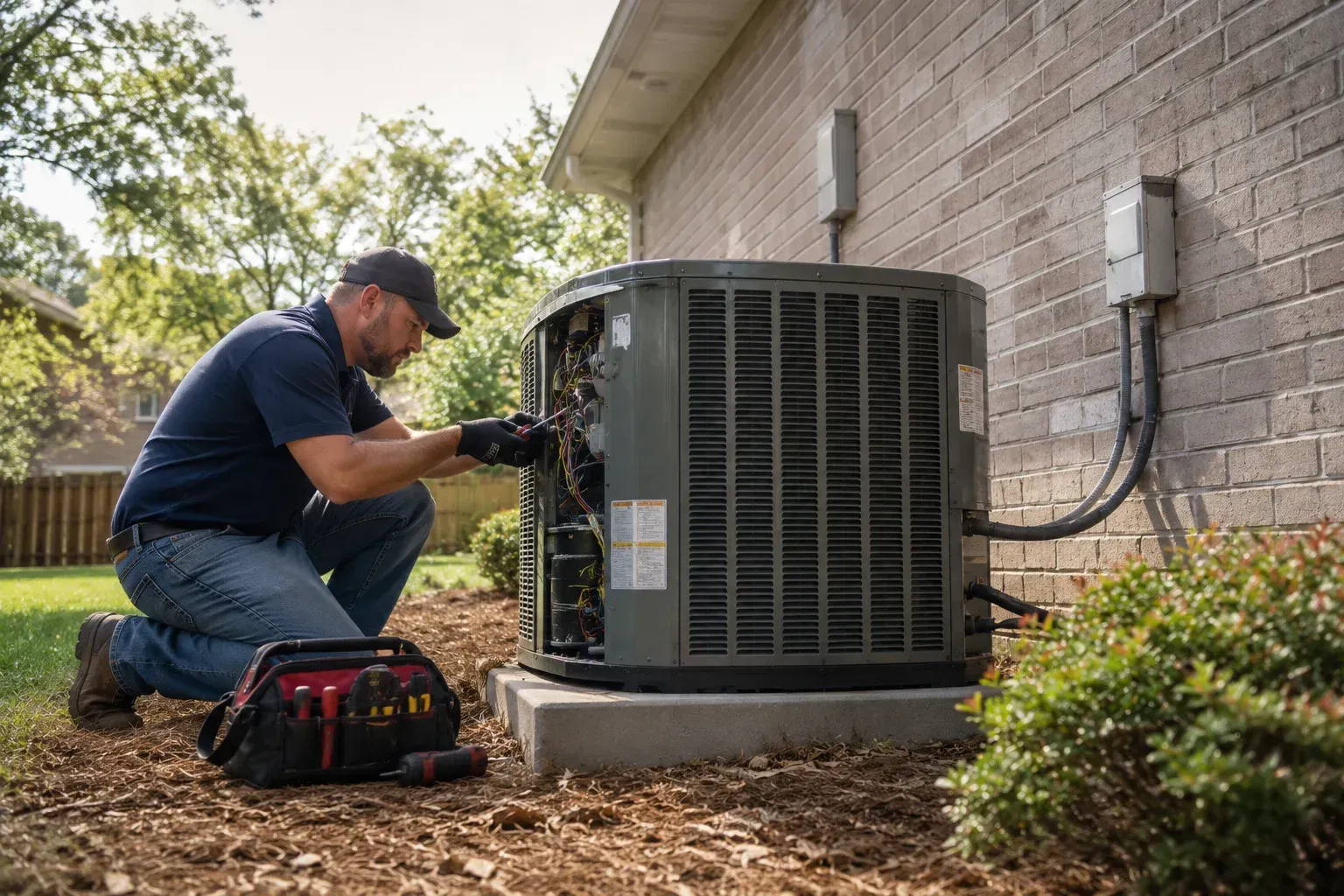
A ductless mini split is a heating and cooling system that operates without air ducts. It consists of two main components: an outdoor unit and one or more indoor units.
Unlike central HVAC systems, a ductless ac delivers air directly into specific rooms. Each indoor unit is typically mounted on a wall or ceiling and operates independently.
Key Components:
- Outdoor compressor or condenser
- Indoor air-handling units
- Refrigerant lines connecting indoor and outdoor units
This setup allows the system to regulate temperatures in individual areas instead of distributing air through a central network.
How Ductless Systems Work in Different Home Types
Ductless systems are often considered in situations where traditional ductwork is not practical or efficient.
Older Homes Without Existing Ductwork
Many older homes were not designed with ducts. Installing them can require structural changes. A ductless mini split avoids that process by using small conduit connections.
Home Additions and Renovations
Newly added rooms may not connect easily to an existing HVAC system. A mini split ac and heat system can operate independently, helping maintain consistent temperatures.
Rooms With Uneven Temperatures
Spaces such as attics, garages, or sunrooms often experience temperature fluctuations. Ductless systems allow focused control in these areas.
Energy Efficiency and Cost Considerations
Energy efficiency is one of the reasons homeowners explore ductless systems, though actual performance depends on usage and home conditions.
Reduced Energy Loss
Traditional duct systems can lose energy through leaks or poor insulation. A ductless system minimizes this by delivering air directly into the room.
Variable Speed Operation
Many systems adjust output based on demand rather than running at full capacity continuously. This can contribute to more consistent indoor temperatures.
Electricity Usage
While ductless systems may reduce wasted energy, electricity usage still depends on factors such as:
- Number of indoor units
- Frequency of use
- Home insulation quality
It is useful to review system specifications and compare them with your household needs.
Zoned Comfort and Temperature Control
One of the defining features of a ductless mini split is zoning.
What Is Zoning?
Zoning allows different areas of a home to be controlled separately. Each indoor unit has its own thermostat or remote control.
Practical Benefits:
- Adjust temperatures based on room usage
- Reduce unnecessary cooling or heating in unused spaces
- Customize comfort for different household preferences
For example, bedrooms can be kept cooler at night while living areas remain at a different setting during the day.
Installation Process and Requirements
Installation of a ductless system is generally more straightforward than installing ductwork, but it still requires professional planning.
Basic Installation Steps:
- Mount indoor units in selected rooms
- Install outdoor unit in a suitable location
- Connect refrigerant lines and electrical components
- Test system operation
Structural Considerations:
- Wall space for indoor units
- Access to outdoor placement area
- Electrical capacity of the home
Because the system uses small openings for connections, it typically involves less disruption compared to duct installation.
When a Ductless Mini Split Makes Sense
A ductless system may be appropriate depending on your home’s layout and HVAC needs.
Suitable Scenarios:
- Homes without existing ductwork
- Additions or converted spaces
- Areas with uneven temperature control
- Households seeking room-by-room temperature adjustment
Situations That May Require Evaluation:
- Very large homes needing multiple units
- Properties with existing, efficient duct systems
- Budget considerations for multi-zone setups
Each situation is different, so reviewing your property’s structure and usage patterns can help determine suitability.
Conclusion
Choosing a ductless mini split in Horton, AL can be a practical option for homeowners who need flexible, efficient heating and cooling without the constraints of ductwork.
These systems offer zoning capabilities, adaptable installation, and targeted comfort. However, their effectiveness depends on how well they align with the specific layout and needs of your property.
Careful evaluation of your space, energy use, and long-term goals can support a more informed and balanced decision.
Book a Heat Pump Consultation
If you are exploring whether a ductless mini split is suitable for your home, professional guidance can help clarify your options.
Silas HVAC provides information and system assessments to help homeowners understand available solutions based on their property and needs. Contact us!
Frequently Asked Questions
How is a ductless mini split different from central air?
A ductless system delivers air directly into rooms without ducts, while central air uses a network of ducts to distribute air throughout the home.
Can a ductless system heat and cool a home?
Yes, most systems function as both heating and cooling units, often referred to as mini split ac and heat systems.
Is installation disruptive to the home?
Installation typically requires small wall openings and minimal structural changes compared to installing full ductwork.
How many indoor units are needed?
This depends on the number of rooms and layout. Each unit is designed to serve a specific area or zone.
Are ductless systems suitable for large homes?
They can be used in larger homes, but may require multiple units. A proper assessment helps determine the right configuration.
Related Posts