How HVAC Short Cycling Affects Your Comfort and Energy Bills
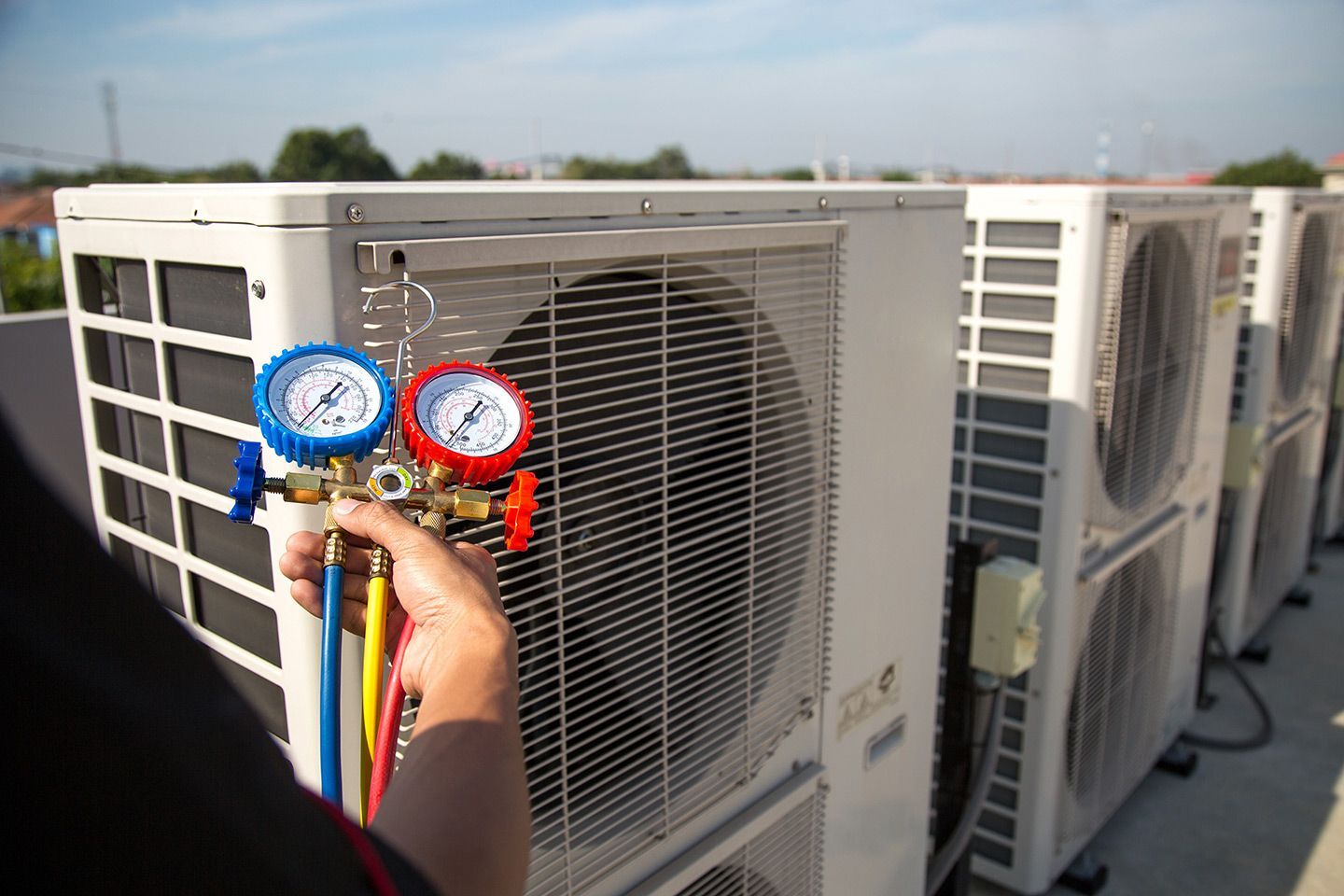
Table of Contents
- Introduction
- What Is HVAC Short Cycling?
- Why HVAC Short Cycling Affects Comfort
- How Short Cycling Impacts Energy Bills
- Common HVAC Short Cycling Causes
- Thermostat-Related Issues
- Airflow and Ductwork Problems
- Oversized HVAC Systems
- Refrigerant and Mechanical Concerns
- Warning Signs of HVAC Short Cycling
- How to Fix Short Cycling: What Homeowners Should Know
- Why Professional Assessment Matters
- Conclusion
- Frequently Asked Questions
Key Takeaways
- HVAC short cycling occurs when a system turns on and off too frequently without completing a full heating or cooling cycle.
- Short cycling can lead to uneven indoor temperatures, reduced comfort, and higher energy consumption.
- Common causes include thermostat issues, airflow restrictions, and incorrectly sized HVAC equipment.
- Repeated short cycling may increase system wear and reduce overall efficiency over time.
- Professional assessment helps identify underlying causes and supports informed maintenance decisions.
Introduction
HVAC short cycling affects comfort and energy bills by preventing heating and cooling systems from running long enough to evenly condition indoor spaces or operate efficiently. Instead of completing a full cycle, the system shuts off early and restarts repeatedly, which can disrupt temperature control and increase energy use.
For homeowners in Horton, Alabama, where seasonal temperature changes can be demanding, understanding HVAC short cycling is important for maintaining indoor comfort, managing energy costs, and protecting system longevity.
What Is HVAC Short Cycling?
HVAC short cycling refers to a pattern where a heating or cooling system turns on and off more frequently than designed. Rather than running steadily to reach and maintain the thermostat setting, the system stops prematurely and restarts shortly afterward.
Modern HVAC systems are engineered to operate in balanced cycles. These cycles allow the system to regulate temperature, manage humidity, and operate within expected efficiency ranges. When short cycling occurs, those functions are interrupted, reducing overall performance.
Short cycling can occur in both air conditioning and heating systems and may develop gradually or appear suddenly due to mechanical, electrical, or environmental changes.
Why HVAC Short Cycling Affects Comfort
Comfort depends on consistent temperature control and proper airflow. HVAC short cycling interferes with both.
When a system shuts off too soon, conditioned air does not circulate long enough to balance temperatures throughout the home. This can result in:
- Hot or cold spots in different rooms
- Frequent temperature swings
- Inadequate humidity control during cooling seasons
In cooling mode, short run times may not allow enough moisture removal from the air. This can leave indoor spaces feeling damp or uncomfortable even when temperatures seem appropriate.
Over time, inconsistent comfort can become more noticeable, especially in larger homes or properties with multiple zones.
How Short Cycling Impacts Energy Bills
Short cycling often leads to increased energy consumption rather than savings. While shorter run times may seem efficient, frequent restarts require additional energy.
Each time an HVAC system starts, it draws more power than during steady operation. When this happens repeatedly throughout the day, energy usage can increase.
Additional factors that may affect energy bills include:
- Reduced efficiency from incomplete cycles
- Increased strain on motors and compressors
- More frequent thermostat adjustments by occupants
In areas like Horton, Alabama, where HVAC systems are used heavily during warmer months, short cycling can have a noticeable impact on monthly utility costs.
Common HVAC Short Cycling Causes
HVAC short cycling causes vary, and identifying the root issue is essential for accurate resolution. Below are some of the most common contributing factors.
Thermostat-Related Issues
Thermostats play a central role in HVAC operation. Problems such as incorrect placement, calibration errors, or outdated models can trigger short cycling. Examples include:
- Thermostats located near heat sources or direct sunlight
- Faulty sensors that misread indoor temperatures
- Programming issues that cause rapid system commands
Even small thermostat inaccuracies can disrupt normal cycle timing.
Airflow and Ductwork Problems
Restricted airflow can cause systems to shut down as a protective measure. When air cannot move freely, internal components may overheat or freeze. Common airflow issues include:
- Dirty or clogged air filters
- Blocked supply or return vents
- Leaking or poorly designed ductwork
These conditions can cause pressure imbalances that contribute to short cycling.
Oversized HVAC Systems
An HVAC system that is too large for the home may heat or cool the space too quickly. While this may seem beneficial, it often leads to frequent shutoffs before the system can complete a full cycle. Oversized systems may:
- Reach thermostat setpoints too fast
- Fail to distribute air evenly
- Experience more frequent on-off cycling
Proper system sizing is based on detailed load calculations, not just square footage.
Refrigerant and Mechanical Concerns
In air conditioning systems, refrigerant levels and mechanical components affect cycle duration. Potential issues include:
- Low refrigerant levels
- Frozen evaporator coils
- Failing compressors or capacitors
These problems can cause the system to shut down prematurely for safety or performance reasons.
Warning Signs of HVAC Short Cycling
Short cycling is not always immediately obvious. However, several warning signs may indicate an issue.
Homeowners may notice:
- Frequent system starts and stops
- Inconsistent indoor temperatures
- Unusual system noises during startup
- Higher-than-expected energy bills
- Reduced airflow from vents
Identifying these signs early can help prevent further system stress.
How to Fix Short Cycling: What Homeowners Should Know
How to fix short cycling depends on accurately identifying the cause. Some basic checks may help homeowners understand whether professional evaluation is needed.
Initial steps may include:
- Replacing or cleaning air filters
- Ensuring vents are open and unobstructed
- Checking thermostat settings and placement
However, many HVAC short cycling causes involve internal components or system design factors that require professional tools and training.
Attempting repairs without proper assessment may overlook underlying issues or create additional risks.
Why Professional Assessment Matters
Professional HVAC assessment provides clarity rather than assumptions. Trained technicians use diagnostic tools to evaluate airflow, electrical components, refrigerant levels, and system sizing.
An informed assessment helps:
- Identify the root cause of short cycling
- Avoid unnecessary part replacements
- Support appropriate maintenance or repair planning
For homeowners in Horton, Alabama, professional evaluation supports reliable system performance in varying seasonal conditions.
Conclusion
HVAC short cycling affects comfort and energy bills by disrupting normal system operation, reducing efficiency, and increasing wear on key components. Understanding what short cycling is, why it happens, and how it impacts daily living helps homeowners make informed decisions about system care.
While some contributing factors are easy to recognize, others require professional assessment to fully understand. An informed, measured approach supports long-term comfort, efficiency, and system reliability.
Frequently Asked Questions
What is the main cause of HVAC short cycling?
There is no single cause. Short cycling often results from thermostat issues, airflow restrictions, oversized systems, or mechanical problems.
Can HVAC short cycling damage the system?
Frequent cycling can increase wear on components over time, potentially shortening system lifespan if left unaddressed.
Does short cycling always increase energy bills?
In many cases, yes. Frequent startups often use more energy than steady operation.
Can changing the air filter stop short cycling?
Dirty filters can contribute to airflow issues. Replacing them may help in some situations but may not resolve all causes.
Is short cycling more common in newer systems?
It can occur in both new and older systems, especially if installation or sizing issues are present.
Should I adjust my thermostat to prevent short cycling?
Minor adjustments may help, but improper settings are only one potential factor. A full evaluation provides better insight.
Related Posts