The Dangers of Mold in Window AC Units
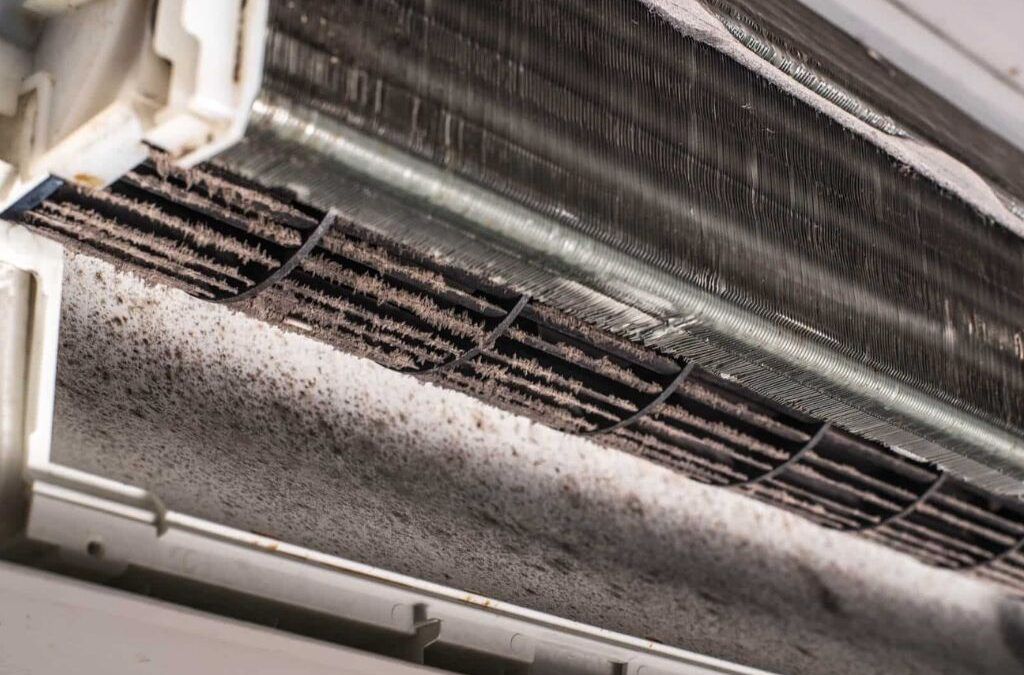
Table of Contents
- Understanding Mold and Its Dangers
- Health Risks of Mold
- Impact on Indoor Air Quality
- Damage to HVAC Units
- Identifying Mold in Window AC Units
- Visible Mold Growth
- Musty Odor
- Increased Allergic Reactions
- Unexplained Respiratory Issues
- How to Combat Mold in Window AC Units
- Regular Maintenance and Cleaning
- Use Mold-Resistant Products
- Ensure Proper Ventilation
- Utilize a Thermostat to Regulate Humidity
- Consider Professional Cleaning Services
- The Benefits of Regular HVAC Maintenance
- Conclusion
- Keep Your Air Conditioning Mold-Free with Reliable HVAC Solutions
Understanding Mold and Its Dangers
Mold is a type of fungus that thrives in damp, humid environments. It reproduces by releasing spores into the air, which can spread easily and grow on various surfaces, including window AC units. In humid climates like Alabama, where moisture levels are high, mold can become a significant problem.
Health Risks of Mold
The health risks associated with mold exposure are numerous and can vary depending on the level and duration of exposure. Here are some of the potential health hazards:
- Respiratory Problems:
Breathing in mold spores can irritate the lungs and respiratory tract, leading to symptoms such as coughing, wheezing, and shortness of breath. This is particularly concerning for those with pre-existing respiratory conditions such as asthma or chronic obstructive pulmonary disease (COPD). - Allergic Reactions:
Mold exposure can trigger allergic reactions in sensitive individuals, resulting in symptoms like sneezing, runny nose, itchy eyes, and skin rashes. These symptoms can be particularly severe during high mold exposure, such as when an air conditioning unit is turned on. - Asthma Aggravation:
For individuals with asthma, mold exposure can exacerbate symptoms and increase the frequency of asthma attacks. The presence of mold spores in the air can make breathing more difficult, especially for children and the elderly. - Other Health Concerns:
Some types of mold, like black mold (Stachybotrys chartarum), produce mycotoxins that can cause more severe health issues, including neurological problems and immunosuppression in sensitive individuals.
Impact on Indoor Air Quality
The presence of mold in window AC units significantly affects indoor air quality. As your air conditioner circulates air throughout your home, it can spread mold spores, leading to an unhealthy living environment. Poor air quality can affect your comfort and contribute to long-term health issues, making it essential to address mold problems promptly.
- Decreased Comfort:
Mold spores in the air can cause a musty smell, reducing the overall comfort of your living space. This odor is not only unpleasant but can also indicate that mold levels are high, potentially affecting your health. - Increased Humidity:
Mold growth can lead to increased indoor humidity, creating a cycle that promotes further mold development. High humidity levels can also cause other problems, such as dust mites and warped woodwork.
Damage to HVAC Units
In addition to health concerns, mold can damage your HVAC units, leading to costly repairs and reduced efficiency.
Here’s how mold can affect your system:
- Reduced Efficiency:
Mold can obstruct airflow by clogging filters and covering coils, forcing the unit to work harder to cool your home. This not only increases energy consumption but can also lead to higher utility bills. - Corrosion:
Mold can cause corrosion of metal components within your HVAC system, leading to potential failures and expensive repairs. Corroded parts may need to be replaced, adding to maintenance costs. - Shortened Lifespan:
Frequent exposure to mold can reduce the lifespan of your window AC unit. The accumulation of mold can cause components to degrade faster, necessitating premature replacement.
Identifying Mold in Window AC Units
Before you can combat mold, you need to know what to look for. Here are some signs that your window AC unit might have a mold problem:
Visible Mold Growth
The most obvious sign of mold is visible growth on the unit itself. This may appear as dark spots or discoloration on the air conditioner’s vents, filters, or inside the unit. Regular inspections can help you spot mold early and take action before it becomes a severe issue.
Musty Odor
A musty or earthy odor is often a clear indicator of mold growth. If you notice this smell when your air conditioner is running, it could be a sign that mold is present inside the unit. The smell may become more pronounced when the unit is first turned on, as the initial burst of air can release mold spores into your home.
Increased Allergic Reactions
If you or your family members experience increased allergy symptoms when the air conditioner is running, it could be due to mold spores circulating through the air. Symptoms like sneezing, coughing, and itchy eyes could indicate a mold problem.
Unexplained Respiratory Issues
If anyone in your household experiences unexplained respiratory issues, it may be worth checking for mold in your window AC unit. Mold exposure can lead to respiratory symptoms, even in individuals who do not have a history of allergies or asthma.
How to Combat Mold in Window AC Units
Mold in window AC units can affect air quality and health. Here, we’ll cover effective strategies to prevent and address mold issues, ensuring a cleaner and healthier home environment.
Regular Maintenance and Cleaning
Regular maintenance is crucial for preventing mold growth in your window AC units.
Here are some maintenance tips to help keep your unit mold-free:
- Clean the Filter Regularly:
The air filter is one of the first places mold can develop due to trapped dust and moisture. Clean or replace the filter at least once a month during peak usage. Use a mild detergent and water to wash away dirt and mold spores. Consider using filters designed to resist mold growth for added protection. - Inspect and Clean the Coils:
The evaporator and condenser coils can accumulate dust and debris, providing a surface for mold to grow. Use a soft brush or a vacuum cleaner with a brush attachment to remove buildup and keep the coils clean. This helps maintain efficient airflow and reduces mold risk. - Check for Water Leaks:
Water leaks or improper drainage can create the perfect environment for mold. Ensure the unit is properly sealed and there are no leaks around the window or inside the unit. Address any leaks promptly to prevent moisture accumulation. - Remove Standing Water:
If your window AC unit has a drip pan, check it regularly and remove any standing water. Mold can quickly develop in stagnant water, so keeping the drip pan dry is essential. - Schedule Routine Inspections:
Professional inspections by HVAC technicians can help identify potential mold problems early. They can perform thorough cleanings and maintenance to ensure your unit remains in optimal condition. This is especially important for older units more prone to mold issues.
Use Mold-Resistant Products
Invest in mold-resistant air filters and cleaning products designed to resist mold growth. These products can help maintain good air quality and reduce the likelihood of mold infestation in your window AC unit.
- HEPA Filters:
Consider using High-Efficiency Particulate Air (HEPA) filters that capture mold spores effectively, improving air quality and reducing mold spread. - Mold-Resistant Coatings:
Some products can be applied to the inside of your AC unit to create a barrier against mold growth. These coatings can provide long-term protection, especially in humid environments.
Ensure Proper Ventilation
Proper ventilation is essential for preventing mold growth in window AC units. Here are some tips to improve ventilation:
- Open Windows:
When possible, open windows in other areas of your home to allow fresh air to circulate. This helps reduce humidity and moisture levels, minimizing the environment in which mold thrives. - Use Exhaust Fans:
In areas like kitchens and bathrooms, use exhaust fans to remove excess moisture. This prevents it from spreading to other areas of your home where your AC unit is operating. - Position the Unit Correctly:
Ensure your window AC unit is positioned to allow optimal airflow. Avoid blocking vents with furniture or curtains, as restricted airflow can increase humidity and promote mold growth.
Utilize a Thermostat to Regulate Humidity
A thermostat with humidity control can help maintain optimal indoor humidity levels, reducing the chances of mold growth. Keeping humidity levels below 60% is recommended to prevent mold from thriving.
- Smart Thermostats:
Consider investing in a smart thermostat with humidity sensors that can automatically adjust settings to maintain optimal humidity levels, reducing mold risk. - Dehumidifiers:
In particularly humid environments, using a dehumidifier alongside your AC unit can help remove excess moisture from the air, further preventing mold growth.
Consider Professional Cleaning Services
If you notice mold growth in your window AC unit, it's wise to seek professional cleaning services. A trained HVAC specialist can thoroughly clean the unit, remove mold, and prevent future infestations.
At Silas Heating & Cooling, we offer comprehensive cleaning and maintenance services to keep your HVAC system running smoothly.
- Deep Cleaning:
Professional cleaning includes deep cleaning of components that are hard to reach, ensuring all mold spores are removed and the unit is sanitized. - Preventative Measures:
Professionals can apply treatments to prevent future mold growth, ensuring your unit stays clean and efficient.
The Benefits of Regular HVAC Maintenance
Regular HVAC maintenance offers numerous benefits beyond mold prevention:
- Improved Air Quality:
Clean units promote healthier air quality, ensuring a comfortable living environment. This is especially important for those with allergies or respiratory conditions. - Energy Efficiency:
A well-maintained unit operates more efficiently, reducing energy consumption and lowering utility bills. By preventing mold and maintaining clean components, you can save money on energy costs. - Extended Lifespan:
Routine maintenance can extend the lifespan of your HVAC system, saving you money on replacements. By keeping mold and other contaminants at bay, your unit will perform better and last longer. - Peace of Mind:
Knowing your unit is mold-free and operating efficiently provides peace of mind, allowing you to focus on other aspects of home maintenance.
Conclusion
Keeping your heating & air conditioning systems clean and mold-free is essential for maintaining a healthy environment and optimal performance. Mold in window AC units can cause health problems, damage equipment, and increase energy costs. Understanding the risks and taking preventive measures, such as using mini-split systems and maintaining air ducts, can protect your HVAC needs.
Regular HVAC repair and air conditioning service can prevent small issues from turning into serious problems that require emergency service. Choosing the right power solutions, such as heat pumps, improves system efficiency and reduces mold growth. Opt for units with a solid warranty to protect your investment.
Proactive maintenance ensures your heating & air conditioning systems meet your HVAC needs year-round, keeping your home's air quality safe and comfortable for everyone.
Keep Your Air Conditioning Mold-Free with Reliable HVAC Solutions
Are you in need of professional HVAC installation, repairs, or maintenance? Look no further! Our team at Silas Heating & Cooling is ready to assist you with all your heating and cooling needs.
With years of experience as an HVAC contractor, we specialize in a wide range of services, including heat pumps and mini-splits, ensuring your home or business remains comfortable year-round.
Whether you reside in Albertville, Boaz, Guntersville, Fort Payne, Blount County, or surrounding areas, we are here to provide reliable heating and air solutions tailored to your specific requirements.
Don't let HVAC issues disrupt your comfort.
Contact us today at
(256) 572-9630 to schedule an appointment with our skilled team in Horton, AL. We pride ourselves on delivering top-notch service and customer satisfaction.
Frequently Asked Questions
How often should I clean my window AC unit to prevent mold growth?
To prevent mold growth, it’s recommended to clean your window AC unit at least once a year. Regular maintenance should include cleaning or replacing the air filter, checking the evaporator and condenser coils, and ensuring proper drainage to prevent moisture buildup.
What are the signs that my window AC unit has mold?
Signs of mold in a window AC unit include musty odors, visible mold on the unit or around the vents, and increased allergy symptoms such as sneezing, coughing, or itchy eyes. If you notice these signs, it's important to address them promptly to avoid health issues.
Can mold in a window AC unit affect my overall home environment?
Yes, mold in a window AC unit can affect your home environment. As the unit circulates air, it can spread mold spores throughout your home, leading to poor indoor air quality and potential health problems for residents, especially those with allergies or respiratory conditions.
Are there specific cleaning products recommended for removing mold from window AC units?
Use cleaning products specifically designed for mold removal, such as antimicrobial or antifungal cleaners. Avoid harsh chemicals that could damage the AC unit. Make sure to follow the manufacturer’s guidelines for cleaning and maintaining your unit.
How can I improve ventilation in my home to prevent mold in my window AC unit?
To improve ventilation and reduce humidity, consider using dehumidifiers, ensuring proper airflow in rooms, and occasionally running your AC unit to circulate air. Proper ventilation helps reduce moisture levels, which can help prevent mold growth in your AC unit.
Related Posts