The HVAC Installation Timeline
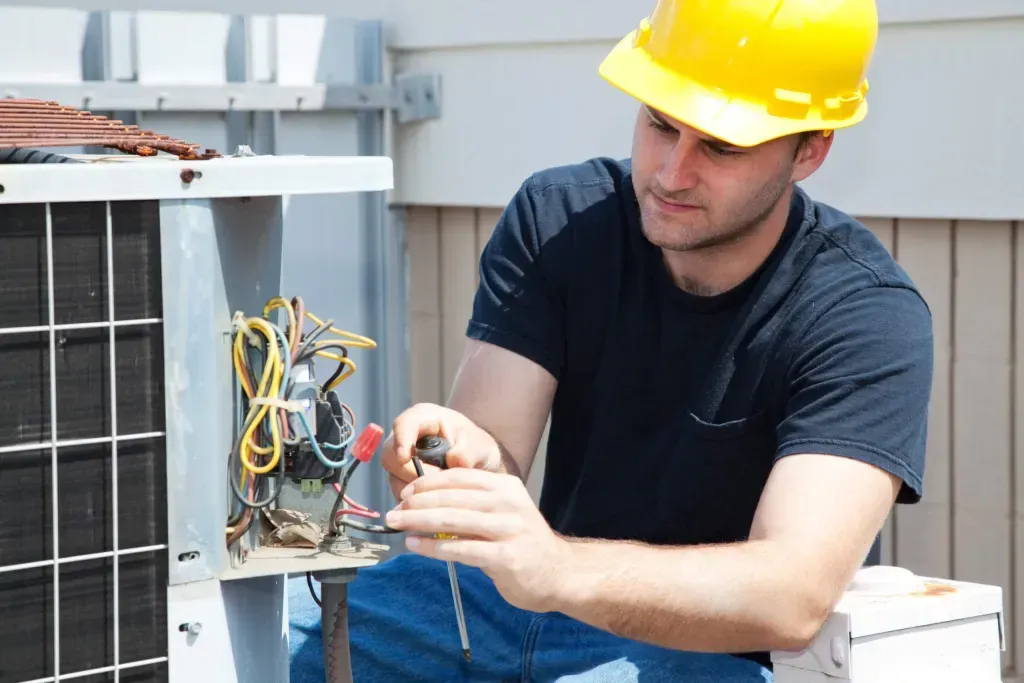
Table of Contents
- How Long Does HVAC Installation Take?
- What Factors Affect HVAC Installation Time?
- What Happens Before HVAC Installation?
- What Can Cause an HVAC Installation Delay?
- What Happens on Installation Day?
- What Happens After the HVAC System Is Installed?
- How to Prepare for a New HVAC Installation
- Why Choose Silas Heating & Cooling?
- Contact Silas Heating & Cooling
- Frequently Asked Questions
Key Takeaways
- The time required for an HVAC installation depends on the equipment being installed, the home's layout, ductwork, accessibility, and the condition of existing connections.
- A straightforward replacement may take considerably less time than an installation that requires new ductwork, electrical modifications, or other changes.
- Proper planning, equipment availability, and professional installation can help prevent unnecessary delays.
- Silas Heating & Cooling provides HVAC installation services for residential and commercial properties in Horton, Blount County, Albertville, Boaz, Guntersville, Fort Payne, and surrounding areas.
How Long Does HVAC Installation Take?
If you're planning a new HVAC installation, one of the first questions you'll probably have is, "How long will it take?"
There is no single installation timeline that applies to every home. A relatively straightforward HVAC replacement can often be completed quickly, while a project involving new ductwork, equipment changes, electrical work, difficult access, or other modifications may take longer.
The type of system matters, too. A central HVAC system, packaged unit, rooftop system, ductwork installation, heat pump, or ductless mini-split can each involve different installation requirements.
Silas Heating & Cooling can assess your property and explain what your installation will involve before work begins. Learn more about our HVAC installation services or contact our team to discuss your project.
What Factors Affect HVAC Installation Time?
The installation timeline depends on much more than simply removing an old unit and putting in a new one. Before scheduling the work, an HVAC professional needs to consider the equipment, property, existing system, and installation conditions.
Type of HVAC System
Different HVAC systems require different installation procedures.
Silas Heating & Cooling installs several types of HVAC equipment, including:
- Central air conditioning systems
- Packaged HVAC units
- Rooftop HVAC systems
- Mini-split systems
- Ductwork
- Residential HVAC systems
- Commercial HVAC systems
A straightforward replacement may be relatively simple when the new equipment is compatible with the existing setup. A project involving a different system configuration or additional components can require more preparation.
Silas Heating & Cooling also installs heat pumps and mini-splits for homeowners looking for flexible heating and cooling options.
Size and Layout of the Property
The size and configuration of a home or commercial property can affect the amount of work involved.
Larger properties may require more ductwork, multiple indoor or outdoor components, additional electrical connections, or more extensive airflow adjustments. Technicians may also need additional time when equipment is located in a difficult-to-access attic, crawlspace, basement, rooftop, or utility area.
Existing Ductwork
Existing ductwork can make a replacement more straightforward when it is appropriately configured and in usable condition.
However, damaged, improperly sized, leaking, or outdated ductwork may need attention during the project. Adding or modifying ductwork can increase the amount of labor required for the installation.
This is one reason a professional assessment before installation is important.
Electrical and Existing System Connections
HVAC equipment depends on properly configured electrical connections and other system components.
If the existing electrical setup is not appropriate for the new equipment, additional work may be necessary. The same applies when other components of the existing HVAC system need to be modified or replaced.
Addressing these issues before installation can help reduce surprises once the project begins.
Accessibility
Equipment that is easy to reach is generally easier to remove and replace than equipment located in a tight attic, crawlspace, rooftop, or other difficult area.
Accessibility can affect how technicians move equipment, tools, and materials through the property and may therefore influence the overall project timeline.
Equipment Availability
The installation cannot be completed until the necessary equipment and components are available.
Special-order equipment, unavailable parts, or supply issues can affect scheduling. Before setting an installation date, it is reasonable to confirm that the required equipment is available and that the contractor has the necessary materials for the project.
What Happens Before HVAC Installation?
A successful installation starts well before the technician arrives with the new equipment.
1. Property Assessment
The first step is understanding the property and the existing HVAC system.
An HVAC professional may evaluate the current equipment, ductwork, electrical connections, available installation space, and other factors that could affect the project.
This assessment helps determine what equipment and installation approach are appropriate for the property.
2. Selecting the HVAC System
The right system depends on factors such as the property's heating and cooling requirements, available space, existing infrastructure, and the homeowner's goals.
Silas Heating & Cooling works with brands including Trane, Rheem, Goodman, and Carrier and can install other brands as well. The company also provides heat pump and mini-split installation services.
3. Confirming the Installation Scope
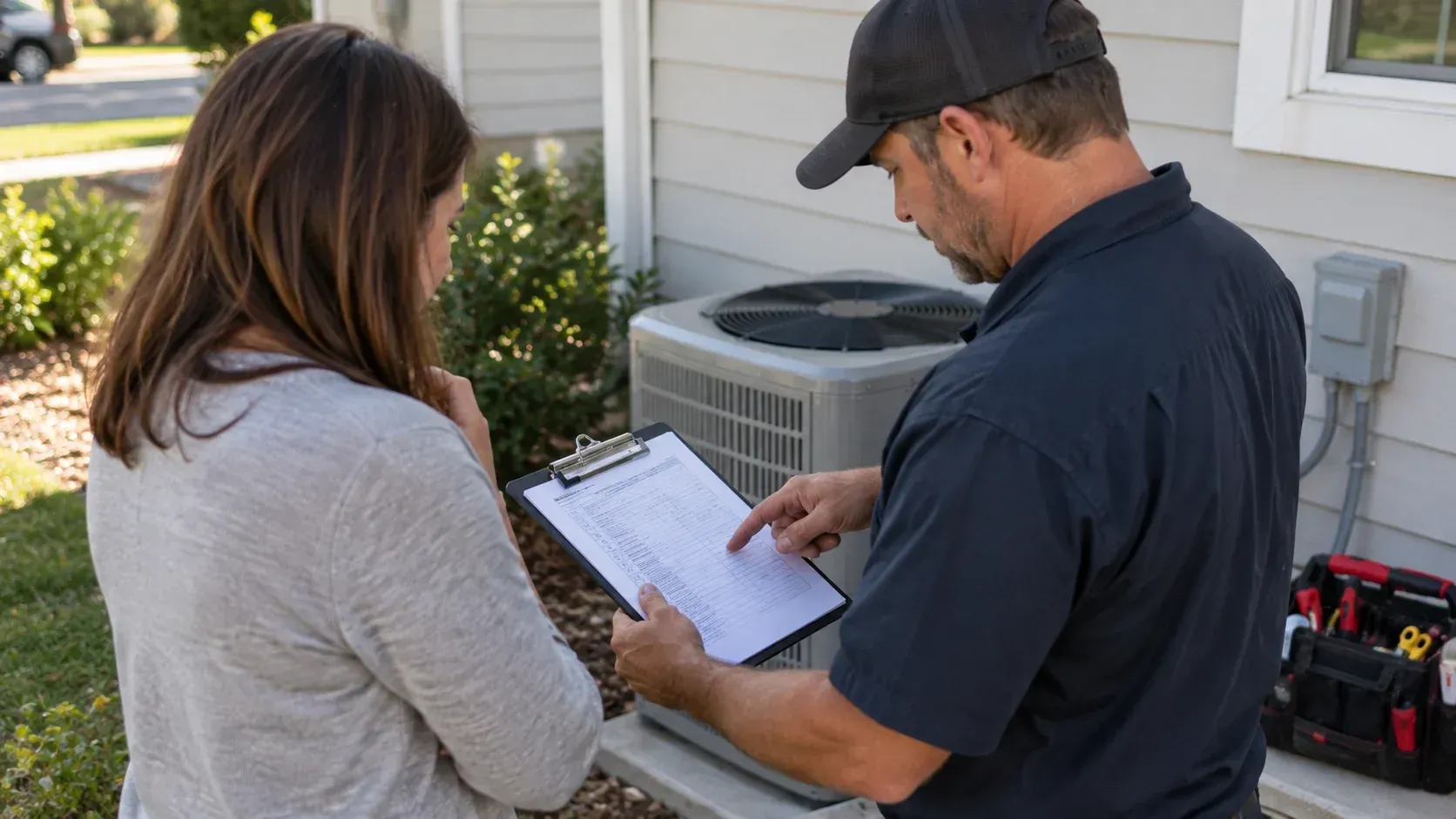
Before work begins, homeowners should understand what is included in the project.
Depending on the property, the scope may involve equipment removal, installation, ductwork, electrical connections, system configuration, testing, and cleanup.
Having these details clarified in advance can make the installation process easier to plan.
4. Preparing the Installation Area
Homeowners can help by clearing furniture, stored items, or other obstacles around the indoor and outdoor equipment.
If technicians need access to an attic, crawlspace, mechanical room, or other area, making that space accessible ahead of time can also help the work proceed efficiently.
What Can Cause an HVAC Installation Delay?
Even a well-planned installation can encounter unexpected issues. Understanding the most common causes can help homeowners prepare.
Unexpected Ductwork or Equipment Issues
Removing an existing HVAC system can reveal problems that were not apparent during the initial assessment.
For example, technicians may discover damaged ductwork, unsuitable connections, or other components that require attention before the new system can be completed.
Equipment or Part Availability
If required equipment or components are delayed, the installation schedule may need to change.
Ask your HVAC contractor whether all major equipment and necessary components are available before the installation date.
Difficult Installation Conditions
Tight crawl spaces, difficult attic access, rooftop equipment, or other challenging installation locations can increase the amount of work involved.
Permits and Inspections
Local requirements can vary by jurisdiction and project. When permits or inspections are required, they can affect the overall schedule.
Your HVAC contractor should explain any permitting requirements that apply to your project.
Weather
Outdoor HVAC work can sometimes be affected by severe weather. Rain, storms, extreme temperatures, or unsafe working conditions may require outdoor work to be rescheduled.
What Happens on HVAC Installation Day?
Knowing what to expect can make the installation process much less stressful.
Arrival and Preparation
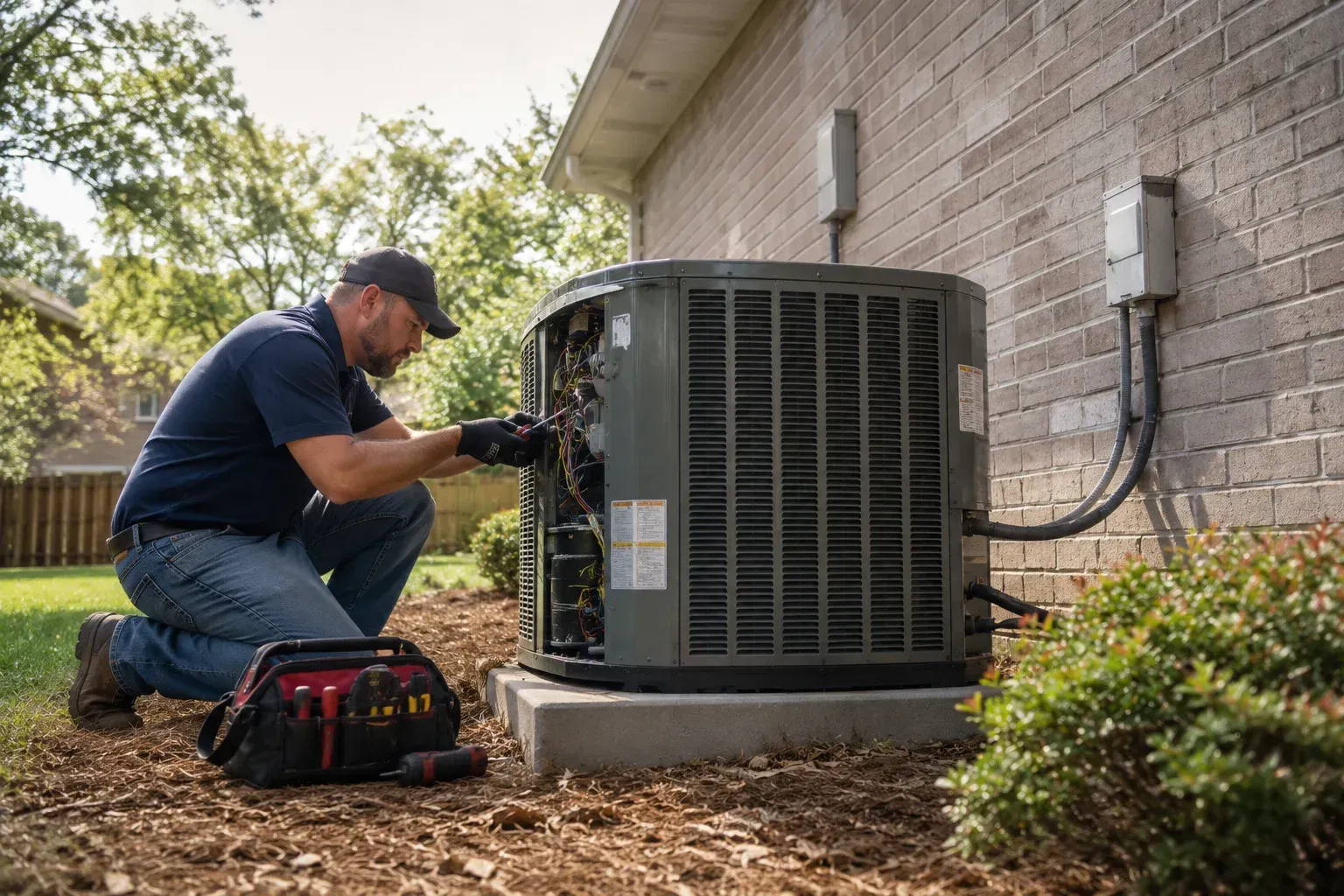
The technicians arrive with the equipment, tools, and materials needed for the scheduled work. They may also protect work areas to help minimize disruption inside the property.
Removal of the Existing Equipment
If the project is a replacement, the existing HVAC equipment is disconnected and removed as part of the installation process.
The exact procedure depends on the system and the installation configuration.
Installation of the New HVAC System
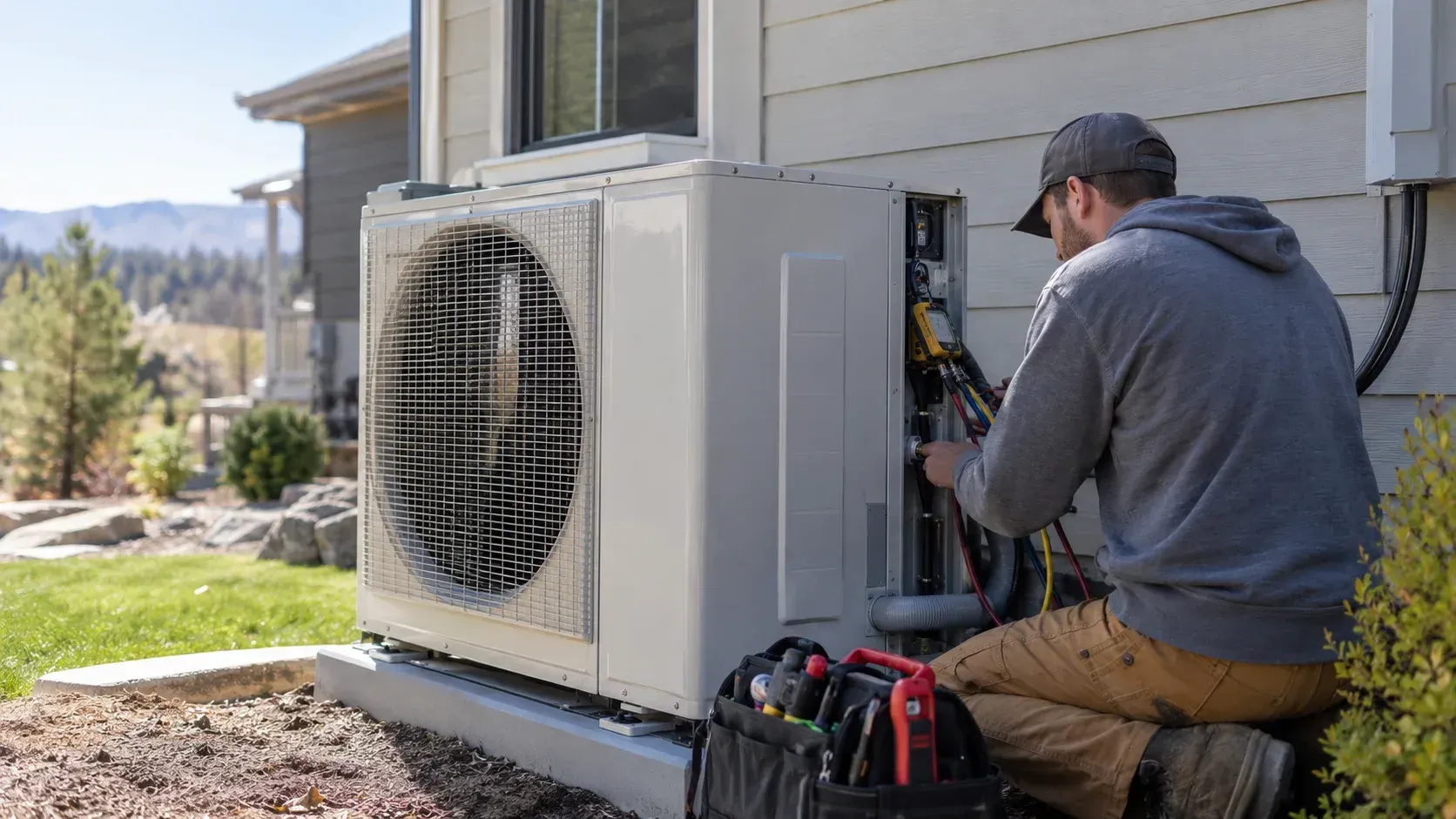
The new equipment is positioned and connected according to the requirements of the system and property.
Depending on the project, this can include connections involving:
- Indoor and outdoor equipment
- Ductwork
- Electrical components
- Refrigerant lines
- Thermostats and controls
- Ventilation components
System Startup and Testing
Installation is not complete simply because the equipment has been physically installed.
The system should be started and checked to confirm that the equipment is operating properly. Testing can help identify issues before the technicians leave.
Customer Walkthrough
A professional installation should also leave the homeowner with a basic understanding of the new system.
Ask questions about thermostat operation, maintenance requirements, filter changes, warranty registration, and signs that may indicate the system needs service.
What Happens After the HVAC System Is Installed?
The final stage of an HVAC installation involves confirming that the system is ready to operate as intended.
Depending on the equipment and project, post-installation work may include:
- Checking system operation
- Reviewing airflow
- Checking electrical connections
- Confirming thermostat settings
- Checking refrigerant-related components when applicable
- Reviewing system controls
- Cleaning the work area
- Explaining basic maintenance requirements
Routine maintenance is important after installation because even a new HVAC system needs proper care.
Silas Heating & Cooling provides HVAC maintenance services, including HVAC cleaning, filter replacement, duct inspection, refrigerant checkups, motor lubrication, and electrical connection inspections.
How to Prepare for a New HVAC Installation
A homeowner cannot control every part of an installation timeline, but a few simple steps can make the project easier.
Clear Access to the Equipment
Move furniture, stored belongings, boxes, and other obstacles away from the installation area.
Make Sure the Contractor Has Accurate Information
Tell your HVAC contractor about existing problems, unusual system behavior, previous repairs, and any comfort issues you've noticed.
Ask What the Installation Includes
Before the project starts, make sure you understand whether the quoted work includes equipment removal, installation, ductwork modifications, electrical work, cleanup, testing, and other necessary services.
Confirm Equipment and Scheduling
Ask when the equipment is expected to arrive and whether anything could affect the planned installation date.
Plan for Temporary Disruption
Depending on the project, your heating or cooling system may be unavailable while the old equipment is removed and the new system is installed.
Knowing this in advance allows you to plan accordingly.
Why Choose Silas Heating & Cooling for HVAC Installation?
Choosing the right contractor can be just as important as choosing the right HVAC equipment.
Silas Heating & Cooling provides HVAC installation for residential and commercial properties and has 20 years of experience according to the company's website. Its installation services include central air conditioning, packaged units, rooftop HVAC systems, ductwork, and mini-splits.
The company also identifies itself as licensed and insured and offers free, no-obligation estimates.
Silas Heating & Cooling serves Horton and surrounding communities, including Blount County, Albertville, Boaz, Guntersville, and Fort Payne.
For customers who need more than installation, the company also provides HVAC repair services and heat pump and mini-split services.
Final Thoughts
There is no universal HVAC installation timeline because every property and system is different. A simple replacement may be relatively straightforward, while a project involving ductwork, electrical changes, difficult access, or different equipment can require additional time.
The best way to get an accurate estimate is to have the property and existing HVAC system evaluated before installation begins.
If you're considering a new HVAC system in Horton, Blount County, Albertville, Boaz, Guntersville, Fort Payne, or a nearby area, contact Silas Heating & Cooling at (256) 572-9630 or request a free estimate.
Contact Silas Heating & Cooling About Your HVAC Installation
Planning an HVAC replacement or installing a system in a new property?
Silas Heating & Cooling can help you understand your installation options, determine what your project requires, and plan the next steps.
Call (256) 572-9630 for a free, no-obligation estimate, or contact Silas Heating & Cooling online.
Serving Horton, Blount County, Albertville, Boaz, Guntersville, Fort Payne, and surrounding areas.
Frequently Asked Questions
How long does an HVAC installation take?
The timeline varies based on the HVAC system, property size, existing ductwork, accessibility, electrical requirements, equipment availability, and the scope of the project. A straightforward replacement can be completed more quickly than an installation requiring substantial modifications. Your HVAC contractor can provide a more accurate timeline after evaluating the property.
Can an HVAC installation be completed in one day?
Some HVAC installations can be completed in a day, particularly when the replacement is straightforward and the existing infrastructure is suitable for the new equipment. More involved projects can take longer. New ductwork, difficult access, electrical modifications, equipment changes, or other unexpected work can extend the installation timeline.
What can delay an HVAC installation?
Common causes of delays include equipment availability, unexpected ductwork or electrical issues, difficult access, permitting requirements, inspections, and severe weather. A detailed assessment before installation and confirming equipment availability in advance can help reduce avoidable scheduling problems.
Should I replace my HVAC system or repair it?
The right choice depends on the condition, age, performance, and repair needs of your existing system, along with the cost and practicality of continued repairs. An HVAC professional can evaluate the system and explain whether repair, replacement, or another solution makes sense for your property.
What should I do after installing a new HVAC system?
Learn how to operate the thermostat and system controls, understand the manufacturer's maintenance recommendations, keep filters changed as appropriate, and schedule professional maintenance when needed. Regular maintenance can help identify developing problems and keep the system operating efficiently.
Related Posts