How Regular HVAC Maintenance Can Lower Your Energy Bills
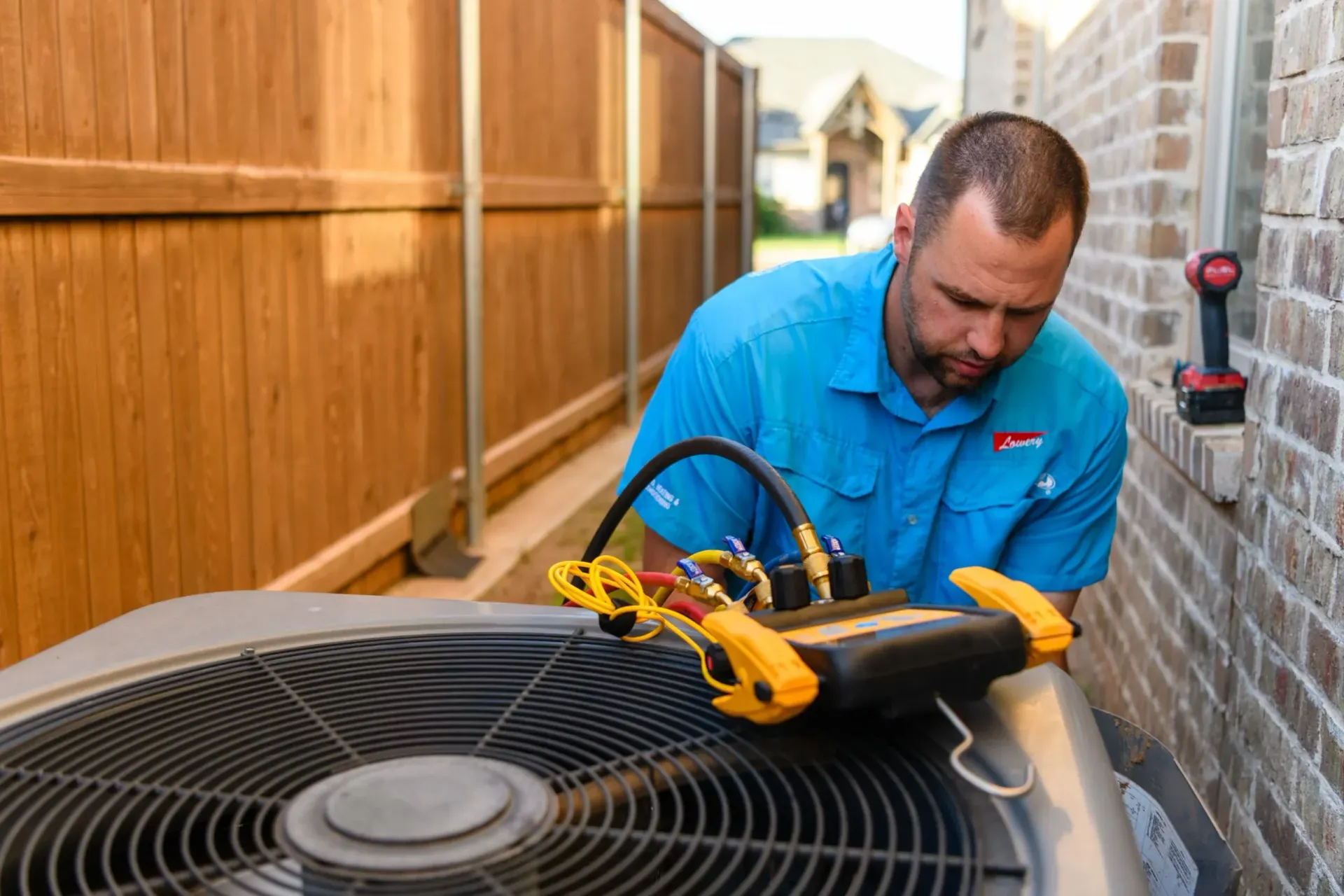
Table of Contents
- Introduction
- Does HVAC Maintenance Really Lower Energy Bills?
- Why an HVAC System Uses More Energy as Problems Develop
- HVAC Maintenance Tasks That Can Support Lower Energy Use
- How Air Filters Affect HVAC Efficiency
- Why Dirty Coils Can Increase System Runtime
- Thermostat Performance and Energy Use
- Ductwork, Airflow, and Lost Energy
- Why Refrigerant Problems Can Affect Efficiency
- How Often Should You Schedule HVAC Maintenance?
- Other Ways to Reduce HVAC Energy Costs
- When Rising Energy Bills May Signal an HVAC Problem
- Final Thoughts
- Frequently Asked Questions
- Contact Silas Heating & Cooling
Key Takeaways
- Regular HVAC maintenance can support efficient operation, but it does not guarantee a specific reduction in your energy bill.
- Restricted airflow, dirty coils, equipment problems, and ductwork issues can cause an HVAC system to work harder or run longer.
- Replacing a dirty air filter is one of the simplest maintenance tasks homeowners can perform.
- Professional maintenance can identify problems involving electrical components, refrigerant, coils, motors, airflow, and other parts of the system.
- A sudden increase in energy use combined with longer run times, weak airflow, or inconsistent temperatures may justify an HVAC inspection.
- Your thermostat settings, home insulation, ductwork, and weather also affect energy consumption, so maintenance is only one part of improving HVAC efficiency.
Introduction
Yes, regular HVAC maintenance can help reduce unnecessary energy use by keeping your heating and cooling system operating closer to its intended performance. However, maintenance is not a guaranteed way to cut your energy bill by a specific percentage because your home's size, insulation, thermostat settings, weather, equipment age, and electricity rates also affect how much you pay.
Think of HVAC maintenance as performance management rather than a promise of a lower bill.
When filters become clogged, coils collect dirt, airflow is restricted, or mechanical problems develop, your system may need to run longer to deliver the same level of comfort. That additional runtime can contribute to higher energy consumption.
If you've noticed your energy bill increasing along with longer HVAC cycles or weaker cooling, it may be worth looking beyond the bill itself and checking how your system is performing.
For homeowners who want a professional assessment, HVAC maintenance services can help identify issues that are difficult or unsafe to diagnose on your own.
Does HVAC Maintenance Really Lower Energy Bills?
It can, particularly when maintenance addresses a condition that is causing the HVAC system to operate inefficiently.
But there is an important distinction:
Maintenance does not automatically make every HVAC system use less electricity.
A relatively new, properly maintained system that is already operating normally may not show a dramatic change in its energy consumption after a tune-up.
On the other hand, a system dealing with restricted airflow, dirty components, poor electrical connections, refrigerant problems, or other performance issues may have more room for improvement.
The practical goal of maintenance is to help the system operate properly and identify conditions that may be increasing energy use.
Why an HVAC System Uses More Energy as Problems Develop
Your HVAC system has one basic job: move heat into or out of your home to maintain the temperature you have selected.
When something interferes with that process, the system may need to operate longer or work harder.
For example:
Restricted Airflow
A clogged filter or another airflow restriction can reduce the amount of air moving through the system.
The result may be longer cooling or heating cycles and less consistent comfort.
Dirty Coils
Coils transfer heat as part of the heating and cooling process.
When dirt accumulates on components that need to transfer heat effectively, system performance can suffer.
Mechanical Wear
Motors, fans, belts, and other components can experience wear over time.
A developing mechanical problem may affect system performance and should be evaluated before it becomes a larger failure.
Refrigerant Problems
Cooling systems depend on the correct refrigerant charge and a properly functioning refrigeration circuit.
If refrigerant is low because of a leak or another problem, simply adding refrigerant without addressing the underlying cause is not a complete solution.
Ductwork Problems
If conditioned air escapes through damaged or disconnected ductwork, the HVAC system may have to operate longer to achieve the desired indoor temperature.
This is one reason airflow should be considered when investigating unexplained changes in HVAC performance.
HVAC Maintenance Tasks That Can Support Lower Energy Use
Not every maintenance task has the same effect on energy consumption.
The most useful approach is to focus on the conditions that directly affect airflow, heat transfer, system controls, and equipment performance.
Air Filter Replacement
Replacing a dirty filter is one of the simplest ways homeowners can support normal airflow.
Check your filter regularly and follow the manufacturer's replacement recommendations.
Households with pets, allergies, higher occupancy, or increased dust may need to check filters more frequently.
Silas Heating & Cooling also provides air filter replacement services as part of its HVAC repair and service offerings.
Coil Inspection and Cleaning
Evaporator and condenser coils play important roles in transferring heat.
Dirt buildup can interfere with that process, potentially reducing cooling performance and increasing system runtime.
Professional cleaning can be appropriate when coils require more than basic homeowner-level care.
Electrical and Mechanical Inspection
Loose electrical connections or developing mechanical problems can affect HVAC performance.
During professional maintenance, technicians can inspect relevant electrical and mechanical components and identify conditions that may require attention.
Thermostat Testing
Your thermostat tells the HVAC system when to operate.
If the thermostat is malfunctioning, poorly positioned, or incorrectly configured, your system may not operate as intended.
A professional can evaluate thermostat operation when troubleshooting comfort or cycling issues.
Outdoor Unit Maintenance
The outdoor condenser needs adequate airflow.
Keep leaves, grass, branches, and other debris away from the equipment.
Do not open electrical panels or attempt internal repairs yourself.
How Air Filters Affect HVAC Efficiency
Air filters deserve special attention because they are one of the few HVAC maintenance items most homeowners can handle themselves.
A dirty filter can restrict airflow through the system.
When airflow drops, you may notice:
- Weaker airflow from vents
- Longer cooling cycles
- Uneven temperatures
- More difficulty reaching the thermostat setting
- Increased energy use
Silas Heating & Cooling's recent article explains that restricted airflow from a dirty filter can cause an AC to run longer and may contribute to higher electricity use during summer.
For that reason, checking the filter should be one of the first steps when investigating an unexpected change in cooling performance.
If you have already changed the filter but your system is still struggling, the problem may be elsewhere.
Why Dirty Coils Can Increase System Runtime
Your HVAC system relies on heat transfer.
In cooling mode, the indoor coil absorbs heat from your home's air while the outdoor coil releases that heat outside.
Dirt buildup can interfere with this process.
Instead of assuming that a dirty coil is the cause whenever an energy bill rises, look for a combination of symptoms such as:
- Longer system runtime
- Reduced cooling performance
- Poor airflow
- Difficulty reaching the thermostat setting
- Unusual changes in system behavior
When these symptoms appear together, professional diagnosis can help determine whether cleaning or another repair is appropriate.
Thermostat Performance and Energy Use
Maintenance is not limited to the equipment itself.
Your thermostat controls when the system runs, so settings and operation can have a significant effect on energy consumption.
Avoid Extreme Temperature Changes
Setting the thermostat dramatically lower does not make an air conditioner cool a home faster.
Instead, it can cause the system to run longer while trying to reach an unnecessarily low temperature.
Use a Programmable or Smart Thermostat
A programmable thermostat can automatically adjust temperatures based on your schedule.
For example, you may choose a different setting when the home is unoccupied.
However, thermostat upgrades should be based on your equipment and household needs rather than assuming every smart thermostat will produce the same savings.
Check for Control Problems
If the thermostat does not appear to respond correctly, or if your system cycles unusually often, the thermostat and HVAC controls may need professional evaluation.
Ductwork, Airflow, and Lost Energy
Your HVAC equipment can operate properly while your home still experiences poor efficiency if conditioned air is not distributed effectively.
Ductwork can develop:
- Leaks
- Disconnected joints
- Damaged sections
- Poor insulation
- Airflow restrictions
These problems can make it harder for conditioned air to reach the rooms where it is needed.
Rather than assuming that ductwork is responsible for a particular percentage of energy loss, have the system evaluated if you notice persistent airflow or comfort problems.
A professional inspection can help determine whether ductwork is contributing to the issue.
Why Refrigerant Problems Can Affect Efficiency
Air conditioners and heat pumps rely on refrigerant to transfer heat.
If refrigerant levels are not correct, the system may not cool or heat effectively.
A common mistake is to treat low refrigerant as a routine maintenance item.
It is not simply a fluid that homeowners should periodically add.
If a system is low on refrigerant, a technician should determine why. A refrigerant leak or another problem may need to be addressed.
If your AC is running but your home is not cooling properly, there may be several possible causes. Silas's guide to why an AC may not be cooling the house covers common issues including airflow restrictions, refrigerant problems, and other conditions that may require professional attention.
How Often Should You Schedule HVAC Maintenance?
There is no single maintenance schedule that applies perfectly to every HVAC system.
The appropriate frequency depends on:
- Equipment type
- Equipment age
- Usage
- Manufacturer recommendations
- Household conditions
- Whether the system has experienced recurring problems
- Heating and cooling demand
Many homeowners choose to have their HVAC systems professionally checked before periods of heavy seasonal use.
For example, Silas's current content recommends scheduling maintenance before peak summer heat so potential problems can be identified before the system faces its heaviest cooling demand.
If your system is older, has recurring problems, or operates heavily, your technician may recommend a different maintenance schedule.
Other Ways to Reduce HVAC Energy Costs
Maintenance is only one part of managing HVAC-related energy consumption.
You can also look at the conditions around your HVAC system and home.
Improve Airflow
Keep supply vents and return grilles clear of furniture, rugs, boxes, and other obstructions.
Reduce Unnecessary Heat Gain
Use curtains, blinds, or other appropriate window coverings during periods of intense sunlight.
Address Drafts
Gaps around doors and windows can make it harder to maintain indoor temperatures.
Weatherstripping and appropriate sealing can reduce unwanted air movement.
Use Ceiling Fans Wisely
Fans can improve how comfortable a room feels by circulating air.
Remember that fans generally cool people rather than lowering the actual room temperature, so turn them off when the room is unoccupied.
Keep Outdoor Equipment Clear
Leaves, grass, and other debris should not accumulate around your outdoor HVAC equipment.
Consider Equipment Efficiency When Replacement Is Necessary
If your HVAC system is old, inefficient, or experiencing repeated failures, maintenance may no longer be the only issue.
At that point, an HVAC professional can help you compare repair and replacement options.
Silas Heating & Cooling provides HVAC installation services for homeowners considering a new heating or cooling system.
When Rising Energy Bills May Signal an HVAC Problem
A higher energy bill does not automatically mean your HVAC system needs maintenance.
Utility rates, outdoor temperatures, changes in household usage, and thermostat settings can all affect the amount you pay.
However, an HVAC inspection may be worthwhile when a higher bill appears alongside other changes.
Watch for combinations such as:
- Higher energy use and longer system runtime
- Higher energy use and weaker airflow
- Higher energy use and uneven temperatures
- Higher energy use and unusual noises
- Higher energy use and frequent cycling
- Higher energy use and difficulty reaching the thermostat setting
For example, if your AC suddenly starts running for much longer periods during summer, it may be useful to investigate the cause rather than simply accepting the higher bill.
Silas's guide on how often your AC should run in summer explains normal runtime patterns and warning signs that may indicate a system problem.
Final Thoughts
Regular HVAC maintenance can help support efficient system operation, but it should not be viewed as a guaranteed shortcut to a lower energy bill.
The real benefit is identifying and addressing conditions that can interfere with normal HVAC performance.
A clean filter can support airflow. Clean coils can support heat transfer. Properly functioning controls can help the system operate when needed. Sound ductwork can help conditioned air reach the spaces where it is intended to go.
Together, these factors can help your HVAC system deliver comfort without unnecessary strain.
If you are seeing higher energy bills along with changes in HVAC performance, do not automatically assume that the solution is simply a tune-up. A professional evaluation can help determine whether the cause is maintenance-related, mechanical, airflow-related, thermostat-related, or something else.
Silas Heating & Cooling provides HVAC maintenance, repair, and installation services for homeowners in Horton, Blount County, Albertville, Boaz, Guntersville, Fort Payne, and surrounding areas.
Contact Silas Heating & Cooling
If your HVAC system is using more energy than expected, running longer than usual, or struggling to maintain comfortable temperatures, professional maintenance can help identify potential causes.
Silas Heating & Cooling provides HVAC maintenance and repair services for homeowners and businesses in Horton, Blount County, Albertville, Boaz, Guntersville, Fort Payne, and surrounding areas.
Call
(256) 572-9630 or
contact Silas Heating & Cooling to discuss your HVAC system.
Frequently Asked Questions
Can HVAC maintenance lower my energy bill?
It can help reduce unnecessary energy use when maintenance addresses problems that are causing your HVAC system to operate inefficiently. However, there is no guaranteed savings amount because energy costs also depend on weather, thermostat settings, home size, insulation, equipment efficiency, and utility rates.
What HVAC maintenance saves the most energy?
There is no single maintenance task that saves the most energy for every system. Keeping filters clean, maintaining proper airflow, addressing dirty coils, checking system controls, and identifying developing equipment problems can all support efficient operation.
Does changing an air filter lower electricity usage?
A clean filter can help maintain proper airflow. If a dirty filter is restricting airflow, replacing it may help the system operate more effectively. However, replacing an already-clean filter does not guarantee a measurable reduction in energy consumption.
How often should HVAC filters be changed?
The appropriate interval depends on the filter and household conditions. Check the filter regularly and follow the manufacturer's recommendations. Homes with pets, allergies, or higher dust levels may require more frequent changes.
Why is my energy bill suddenly higher?
Several factors can cause a higher energy bill, including weather, utility rates, thermostat settings, increased occupancy, changes in appliance use, and HVAC performance. If the increase occurs alongside longer HVAC cycles, weak airflow, or inconsistent temperatures, consider having the system inspected.
Does HVAC maintenance prevent high energy bills?
Maintenance can help identify conditions that may increase HVAC energy consumption, but it cannot control every factor that determines your utility bill. A well-maintained system can still use substantial energy during extreme weather or when operated at demanding thermostat settings.
Can a dirty AC filter increase my energy bill?
Yes, a severely dirty filter can restrict airflow and cause an air conditioner to run longer to achieve the desired temperature. Silas Heating & Cooling's current guidance specifically notes the connection between restricted airflow, longer cooling cycles, and increased energy use.
Should I repair or replace my HVAC system if my energy bills are high?
It depends on the cause. If a relatively minor maintenance or repair issue is responsible, repairing the system may make sense. If the equipment is older, inefficient, or experiencing repeated failures, replacement may deserve consideration. A professional evaluation can help you compare the options.
Related Posts