How to Prepare Your Home for a Smooth HVAC Installation
Table of Contents
- Introduction
- Why HVAC Installation Preparation Matters
- What to Do Before HVAC Installation Day
- Step-by-Step HVAC Installation Prep Checklist
- Schedule a Pre-Installation Inspection
- Clear the HVAC Work Areas
- Make Access Easy for Technicians
- Protect Your Home and Belongings
- Prepare for Safety During Installation
- Communicate With Your HVAC Contractor
- Understand the Installation Schedule
- Preparing Different Types of Properties
- Common HVAC Installation Preparation Mistakes
- What to Check After Installation
- Final Thoughts
- Frequently Asked Questions
- Contact Silas Heating & Cooling
Key Takeaways
- Preparing your home before HVAC installation can help reduce avoidable delays and make the work area safer.
- A pre-installation inspection can identify access, ductwork, electrical, and equipment considerations before installation day.
- Clearing indoor and outdoor work areas gives technicians the space they need to work safely.
- Protecting furniture, valuables, pets, and high-traffic areas can help minimize disruption during the project.
- Clear communication with your HVAC contractor helps everyone understand access requirements, scheduling, and expectations.
- After installation, homeowners should confirm thermostat operation, airflow, system performance, and warranty information.
Introduction
Preparing your home for an HVAC installation can help the project move more smoothly, protect your belongings, and give technicians safe access to the areas where they need to work. Whether you're replacing an aging system or installing HVAC equipment for the first time, a little preparation before installation day can prevent avoidable complications.
HVAC installation involves more than delivering a new unit and connecting it to your home. Technicians may need to work around indoor equipment, outdoor units, ductwork, electrical connections, attics, basements, crawl spaces, hallways, and other areas of the property.
Before installation day, homeowners should understand what access the technicians will need and what preparation is expected. If you want to understand the broader process as well, our guide to what to expect during an HVAC installation explains the typical stages from preparation through final testing.
Why HVAC Installation Preparation Matters
Getting your home ready for HVAC installation is not simply about making things easier for the technicians.
Preparation can help:
- Reduce obstacles around the work area
- Protect furniture and personal belongings
- Improve technician access to equipment
- Reduce safety hazards
- Make it easier to move equipment through the home
- Prevent unnecessary interruptions
- Clarify expectations before work begins
Some installation requirements cannot be predicted until the property is inspected.
For example, an installation may require access to a difficult-to-reach attic, basement, crawl space, or utility area. Existing ductwork or electrical connections may also require attention.
That is why preparation should begin before installation day rather than after the technicians arrive.
What to Do Before HVAC Installation Day
A few basic steps can make a significant difference.
Before your HVAC contractor arrives, consider:
- Confirming the installation date and expected arrival window.
- Asking where technicians will need access.
- Clearing furniture and belongings from work areas.
- Removing obstacles from hallways, stairs, and entryways.
- Securing pets and keeping children away from the work zone.
- Moving fragile or valuable items away from areas where equipment will be transported.
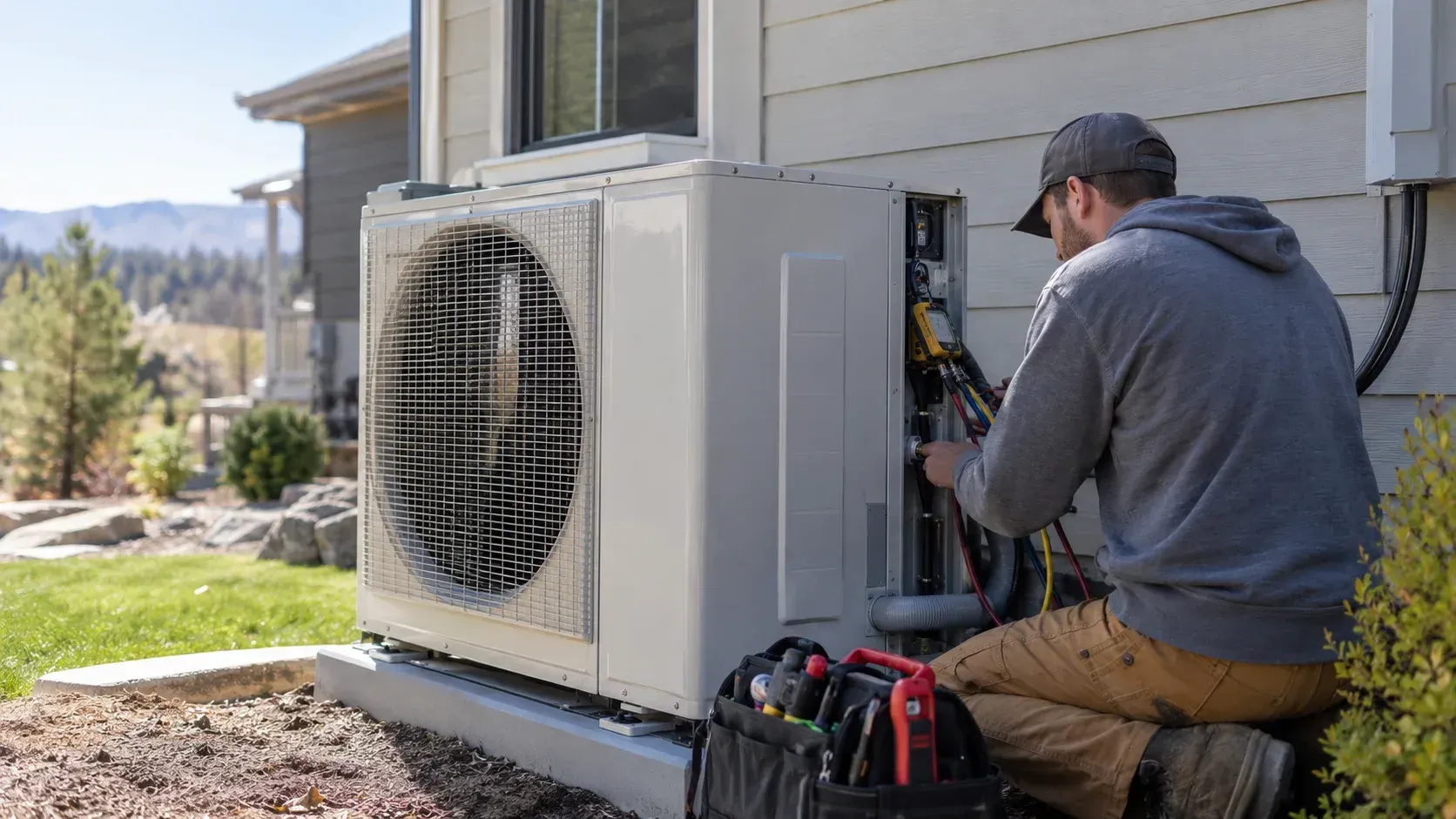
- Clearing debris and vegetation around outdoor equipment.
- Discussing any access restrictions or special property requirements.
- Asking whether there are expected periods when heating or cooling will be unavailable.
- Confirming what will happen with the old HVAC equipment.
These steps form the foundation of a practical HVAC installation prep checklist.
Step-by-Step HVAC Installation Prep Checklist
Schedule a Pre-Installation Inspection
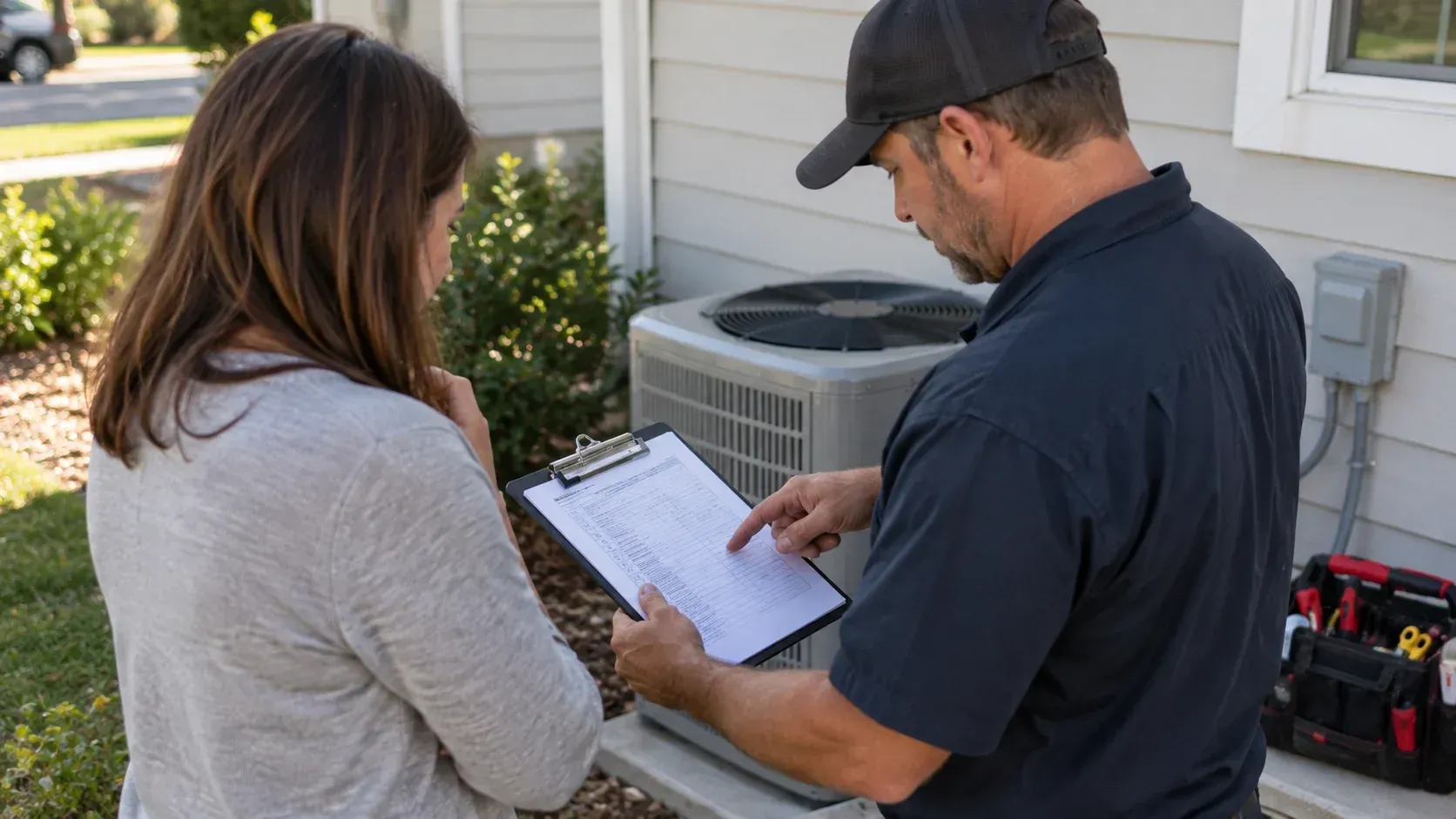
A pre-installation inspection gives the contractor an opportunity to evaluate the home before installation day.
Depending on the project, the inspection may involve reviewing:
- Existing HVAC equipment
- Equipment location
- Ductwork
- Electrical connections
- Indoor and outdoor access
- Installation space
- Equipment compatibility
- Potential modifications
This is also the right time to ask questions.
For example, homeowners can ask where the new equipment will be installed, how long the work is expected to take, whether existing ductwork will be used, and whether additional work may be required.
Clear the HVAC Work Areas
Technicians need adequate space to remove existing equipment and install the new system.
Clear furniture, storage boxes, rugs, decorations, and other belongings from areas surrounding the equipment.
Depending on the installation, this could include:
- Furnace or air handler areas
- Indoor equipment closets
- Basement utility areas
- Attic access points
- Crawl spaces
- Outdoor equipment areas
- Hallways and stairways used to move equipment
Do not assume that only the immediate area around the HVAC unit needs to be cleared.
Equipment and tools may need to travel through other parts of the home.
Make Access Easy for Technicians
Access is especially important when equipment is located in an attic, basement, crawl space, or other confined area.
Before installation day:
- Clear stairways and pathways.
- Remove objects around attic or crawl space entrances.
- Make sure necessary doors can be opened.
- Provide adequate lighting where appropriate.
- Tell the contractor about narrow passages, low ceilings, or other access challenges.
- Make arrangements for garage or gate access if necessary.
If you will not be home during the installation, discuss access arrangements with the contractor ahead of time.
Protect Your Home and Belongings
HVAC installation can involve moving heavy equipment and working with tools, materials, and existing components.
Even when technicians take precautions, homeowners can make the work area easier to protect.
Move Fragile Items
Move breakable or valuable objects away from areas where equipment will be transported or installed.
This includes decorations, electronics, collectibles, and other belongings that could be damaged by accidental contact or dust.
Protect Nearby Furniture
If furniture cannot be moved completely away from the work area, ask your contractor about appropriate protection.
Nearby surfaces may also be exposed to dust or debris during certain installation tasks.
Keep Pathways Clear
A clear path helps technicians move equipment safely and reduces the chance of accidental damage to belongings.
If equipment needs to travel through finished areas of your home, discuss the route with the installation team beforehand.
Prepare for Safety During Installation
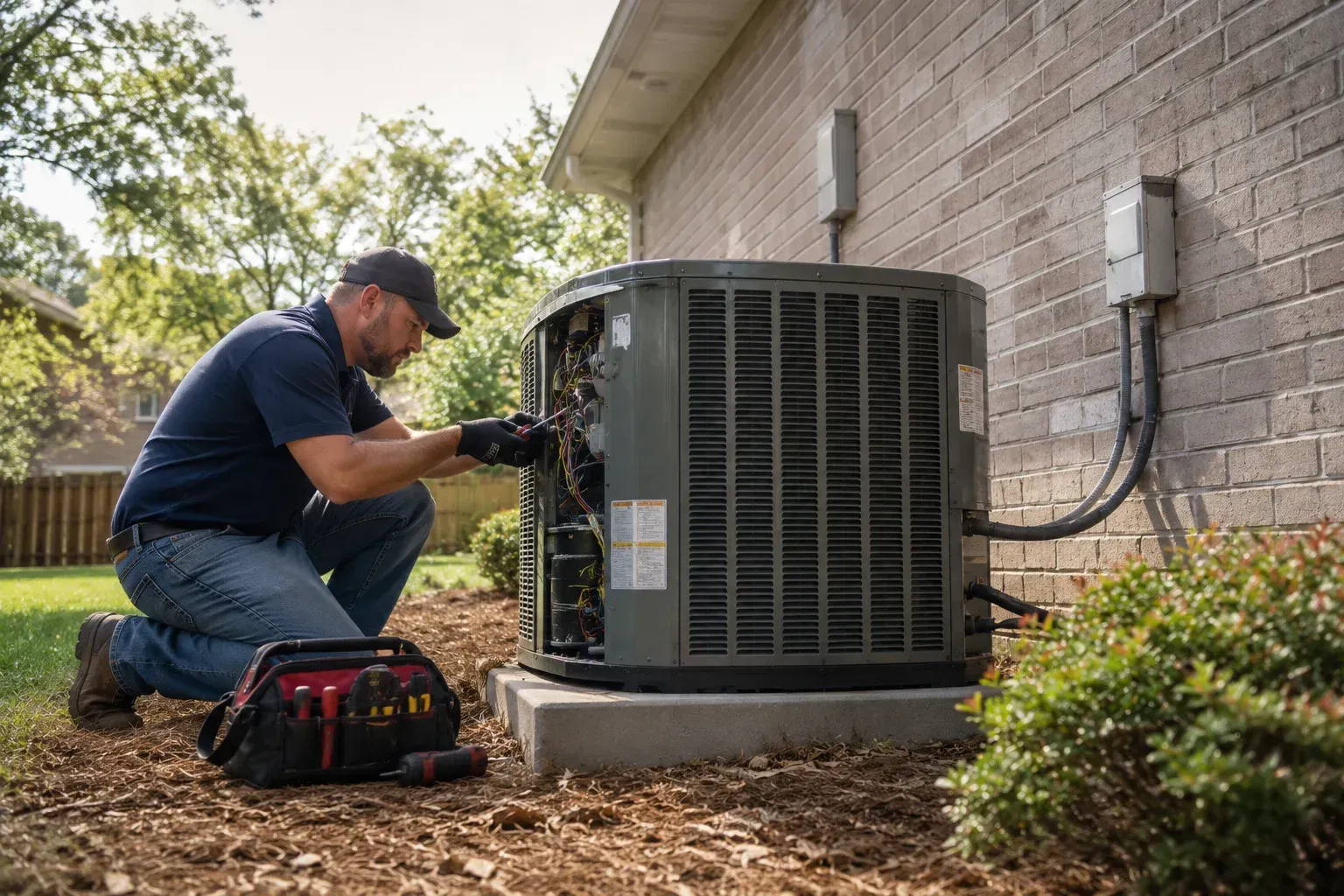
HVAC installation can involve electrical connections, mechanical equipment, tools, refrigerant-related work, and other technical tasks.
Homeowners should not attempt to perform technical installation work themselves unless specifically qualified and instructed to do so.
Instead, focus on keeping the work area safe and accessible.
Keep Children Away From the Work Zone
Installation areas should be treated as restricted work zones while technicians are working.
Keep children away from tools, equipment, electrical components, and open work areas.
Secure Pets
Unfamiliar people, loud noises, and equipment movement can make pets anxious.
Keeping pets in a separate secure area can help protect both the animal and the technicians.
Remove Trip Hazards
Move toys, boxes, cords, rugs, and other objects that could interfere with movement through the work area.
Follow Contractor Instructions
If your HVAC contractor provides specific preparation instructions, follow those instructions rather than attempting electrical or mechanical work yourself.
Communicate With Your HVAC Contractor
Good communication can prevent many avoidable misunderstandings.
Before installation day, confirm details such as:
Arrival and Installation Schedule
Ask when technicians expect to arrive and whether the estimated completion time could change depending on what they find.
Parking and Equipment Access
If parking is restricted or equipment must enter through a particular gate, garage, or entrance, explain this in advance.
Home Access
If technicians need access to a locked area, arrange access ahead of time.
Household Preferences
If you have specific requirements regarding shoe coverings, access to certain rooms, noise, or other household concerns, communicate them before work begins.
Potential Additional Work
Ask what happens if the contractor discovers an issue with existing ductwork, electrical connections, equipment access, or another part of the installation.
Having these conversations in advance can make the project easier for everyone involved.
Understand the Installation Schedule
HVAC installation times can vary depending on the equipment, property, existing infrastructure, and scope of work.
Rather than relying on a universal installation time, ask your contractor for a project-specific estimate.
You may want to confirm:
- Expected start time
- Estimated completion time
- Whether heating or cooling will be unavailable during the work
- Whether additional work could extend the project
- When the new system can be operated
- Whether a final walkthrough will take place
The more you understand about the schedule, the easier it is to plan around the installation.
Preparing Different Types of Properties
Different properties can create different preparation requirements.
Single-Family Homes
Homeowners should pay particular attention to access through garages, basements, attics, crawl spaces, hallways, and exterior areas around the outdoor equipment.
Outdoor vegetation and debris should also be cleared from the area where technicians will work.
Apartments and Condos
Building management may have additional requirements for HVAC work.
Before installation, confirm whether the property requires:
- Building access arrangements
- Advance notice
- Specific work hours
- Elevator reservations
- Parking arrangements
- Building approvals or other documentation
Older Homes
Older properties may present additional considerations involving existing electrical systems, ductwork, equipment locations, or other infrastructure.
Discuss any known issues with your contractor before installation begins.
This gives the contractor an opportunity to determine whether additional work may be necessary.
Common HVAC Installation Preparation Mistakes
Even a straightforward installation can become more difficult when homeowners overlook basic preparation.
Failing to Clear the Work Area
Leaving furniture, boxes, or belongings around the equipment can restrict technician access.
Better approach: Clear the work area and the route technicians will use to move equipment.
Forgetting About Outdoor Access
Homeowners sometimes prepare the indoor equipment area but overlook the outdoor unit.
Better approach: Remove debris, vegetation, and other obstacles from around the outdoor equipment area.
Leaving Pets Unsecured
Pets can become stressed or interfere with the work.
Better approach: Keep pets in a secure area away from the installation zone.
Not Discussing Access Restrictions
Locked gates, narrow pathways, building restrictions, or difficult access can create unnecessary complications.
Better approach: Tell your contractor about access issues before installation day.
Assuming the Existing Ductwork Is Automatically Compatible
A new HVAC system does not necessarily mean the existing ductwork is suitable without evaluation.
The condition, design, and requirements of the duct system should be considered as part of the installation.
Our guide on the role of proper ductwork in HVAC installation efficiency explains why ductwork deserves attention when installing or replacing HVAC equipment.
Ignoring System Sizing
Homeowners should also avoid choosing a replacement system based solely on the size of the old unit.
Proper equipment sizing is an important part of an effective installation. You can learn more about why proper HVAC sizing matters for your home's comfort and efficiency.
What to Check After Installation
Your preparation does not end when the technicians finish installing the equipment.
Before the project is considered complete, take time to review the system with your contractor.
Test the Thermostat
Confirm that the thermostat responds correctly and that you understand the basic controls.
Check Airflow
Pay attention to whether conditioned air is reaching the rooms as expected.
If you notice a significant airflow problem, tell the technician before they leave.
Listen for Unusual Sounds
Some operating sounds are normal, but unusual rattling, grinding, or other unexpected noises should be discussed with the installation team.
Review System Information
Ask about:
- Basic operation
- Filter requirements
- Maintenance recommendations
- Warranty information
- System registration, if applicable
- Who to contact if a problem develops
Ask About Maintenance
A new HVAC system still requires appropriate maintenance.
Following a consistent HVAC maintenance checklist for every season can help you stay on top of routine care after installation.
Final Thoughts
A smooth HVAC installation begins before the technicians arrive.
Clearing work areas, protecting belongings, securing pets, providing access, and communicating with your contractor can help make installation day more organized and reduce avoidable obstacles.
However, homeowners should not feel responsible for solving technical installation issues themselves. The contractor should evaluate the equipment, installation area, ductwork, and other relevant components and explain any additional requirements.
The best preparation is knowing what to expect, asking questions before installation day, and giving your HVAC professionals the access they need to complete the work safely.
If you're planning a new system, preparation is only one part of the process. Proper equipment sizing, ductwork evaluation, installation, and post-installation testing all contribute to the finished HVAC system.
Contact Silas Heating & Cooling
Planning a new HVAC installation? Silas Heating & Cooling can help you understand what preparation is needed before the work begins and guide you through the installation process.
Call (256) 572-9630 or contact Silas Heating & Cooling to discuss your HVAC installation needs.
Frequently Asked Questions
How should I prepare my house for HVAC installation?
Clear the areas surrounding the HVAC equipment, create an unobstructed path for technicians, secure pets, move fragile belongings, and discuss access requirements with your contractor before installation day.
Should I move furniture before HVAC installation?
Yes. Furniture and other belongings near the equipment or the route technicians will use should be moved when possible. This provides additional workspace and helps protect your belongings.
Do I need to turn off my HVAC system before installation?
Follow your contractor's instructions. Do not attempt electrical or mechanical work yourself unless you are qualified and specifically instructed to do so.
Should I be home during HVAC installation?
That depends on the contractor and the installation. If you cannot be home, arrange access and discuss any important instructions before installation day.
How long does HVAC installation take?
Installation time varies depending on the system, home, existing infrastructure, and scope of work. Ask your contractor for a project-specific estimate rather than relying on a universal timeframe.
What should I do with my pets during HVAC installation?
Keep pets secured away from the work area. Installation can involve unfamiliar people, tools, noise, and open access points that may create safety concerns.
Should I prepare the outdoor area too?
Yes. Clear vegetation, debris, and other obstacles from around the outdoor equipment area so technicians have appropriate access.
What should I check after a new HVAC system is installed?
Confirm that the thermostat operates correctly, check airflow, listen for unusual sounds, review basic operating instructions, and ask about maintenance and warranty information.
Related Posts