The Real Cost of Replacing Electrical Outlets
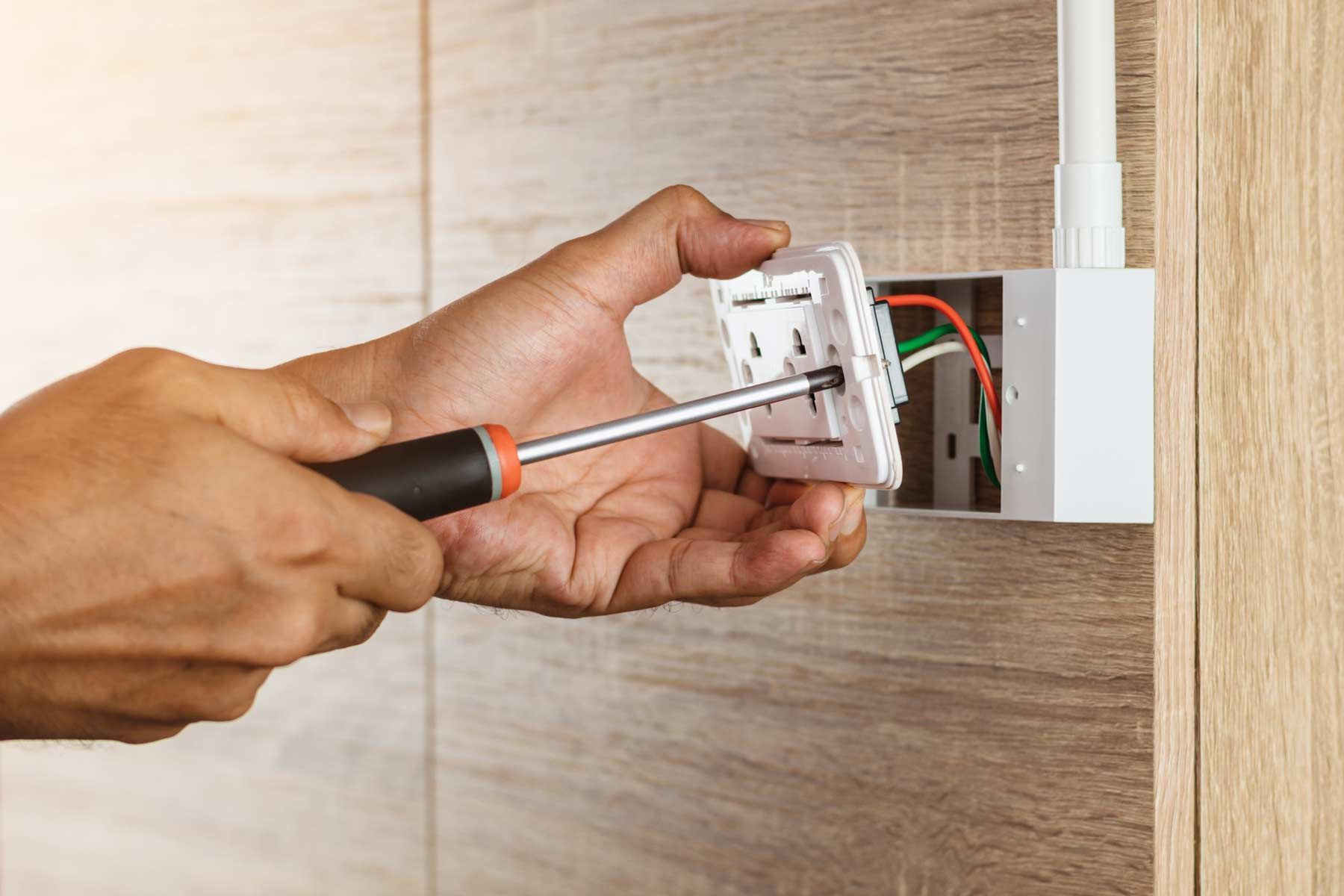
When it comes to home maintenance, replacing electrical outlets might not top your list, but it's a critical aspect of keeping your home safe and up-to-date. Whether you're considering the cost of GFCI outlet installation or just looking to refresh your home with new outlets, understanding the expenses involved is essential. In this article, we'll explore the various costs associated with replacing electrical outlets, including materials, labor, and any additional expenses that might arise during the process.
Understanding Basic Costs
Materials
The materials for replacing an outlet can vary widely based on the type and features of the outlets you choose:
- Standard outlets are the most common and cost-effective option, typically ranging from $1 to $4 each.
- GFCI outlets, necessary for areas exposed to moisture such as bathrooms and kitchens, are priced between $8 and $30 each. They are crucial for preventing electrical shocks.
- USB outlets are increasingly popular for their convenience in charging devices without needing adapters, costing about $15 to $30 per unit.
Labor
Labor costs are a significant part of any electrical project and can vary widely based on geographic location and the complexity of the installation:
- Most electricians charge an hourly rate of $50 to $100.
- The time to replace an outlet can range from 15 to 30 minutes per outlet if the wiring does not need significant modification or upgrades.
Cost of GFCI Outlet Installation
Installing GFCI outlets is slightly more complex than replacing standard outlets due to their safety features, which can interrupt electrical flow when a risk is detected. This makes them more expensive both in terms of the unit cost and potentially the installation time, especially in older homes that may require wiring updates to support new safety standards.
Additional Expenses
Upgrading Wiring
If your home has older wiring, replacing outlets can sometimes reveal or necessitate further electrical upgrades, which can significantly increase the overall cost:
- Wiring Upgrades:
Completely rewiring a room can cost between $500 and $2,000, depending on the room size and accessibility of the wiring.
Permit Fees
Many local governments require permits for electrical work to ensure that it meets safety standards:
- Permit Costs:
These can range from $50 to $500, depending on the locality and the extent of the work being done.
Specialized Outlets
Some specialized outlets may be required or beneficial based on your home's needs:
- AFCI outlets:
Costing about $30 to $50 each, these outlets help prevent electrical fires by detecting and interrupting abnormal arcing in your home’s electrical system. - Weather-resistant outlets:
Essential for outdoor use, these outlets range from $18 to $30 each and are designed to withstand moisture and temperature changes.
Financial Benefits of Replacing Your Outlets
Beyond the immediate safety benefits, updating your electrical outlets can also have financial advantages:
- Increased Home Value:
Modern, safe electrical systems are a selling point during home resales. - Reduced Insurance Premiums:
Upgrades like GFCI and AFCI installations can sometimes lower home insurance costs due to reduced risk of fire and electrical accidents. - Energy Savings:
Newer outlets and updated systems can be more energy-efficient, reducing your home’s overall energy consumption.
Tips for Hiring an Electrician
- Verify Credentials:
Always check that an electrician is licensed and insured. This protects you in case of damage or subpar work. - Compare Quotes:
Get estimates from multiple contractors to ensure you are getting fair pricing. - Clarify the Scope of Work:
Discuss in detail what the job will entail to avoid unexpected costs or expanded project scopes.
Conclusion
Replacing your home's electrical outlets involves various costs, from the price of the outlets themselves to labor and possible additional expenses like wiring upgrades or permits. Understanding these costs helps homeowners make informed decisions about maintaining and upgrading their homes. If you're considering electrical upgrades or have concerns about your home's electrical system, reach out to Silas Heating & Cooling at (256) 572-9630 or visit Silas HVAC. We are dedicated to ensuring your home's electrical system is safe, efficient, and tailored to your needs.
For more detailed inquiries or to book an appointment, please contact us at
ssilashvac@yahoo.com. Let us help you enhance the safety and functionality of your home with professional electrical services.
Frequently Asked Questions
How much does it typically cost to replace outlets in my home?
The cost to replace standard outlets typically ranges from $1 to $4 per outlet for materials, plus labor costs which can range from $50 to $100 per hour depending on your location and the complexity of the job. The total cost will depend on the number of outlets you need to replace and whether any additional electrical work is required.
What are the benefits of installing GFCI outlets in my home?
GFCI (Ground Fault Circuit Interrupter) outlets are designed to prevent electrical shocks by automatically cutting off power when they detect ground faults or leakage currents. Installing GFCI outlets in moisture-prone areas like bathrooms, kitchens, and outdoor spaces is crucial for safety and is required by building codes in many areas. Though they are more expensive, ranging from $8 to $30 each, they provide critical protection against electrical hazards.
Can replacing outlets really increase the value of my home?
Yes, replacing outdated or malfunctioning outlets can increase your home's appeal and value, especially if you upgrade to modern features such as USB or smart outlets. Additionally, ensuring your home's electrical systems meet current safety standards can make it more attractive to potential buyers, providing a good return on investment.
How do I know if I need to replace my electrical outlets?
You should consider replacing your outlets if they are old, discolored, cracked, or if they no longer hold plugs securely. Other signs include frequent tripping of circuit breakers, shocks, or sparks from outlets. Upgrading to newer models can improve safety, functionality, and the aesthetics of your home.
What should I look for when hiring an electrician to replace my outlets?
Look for a licensed and insured electrician with good reviews and a proven track record. Ask for detailed quotes from multiple electricians to compare prices and services. Make sure they are familiar with local building codes and the specific requirements for the type of outlets you are installing, such as GFCI or AFCI outlets.
Related Posts