Ultimate Home Winterization Checklist
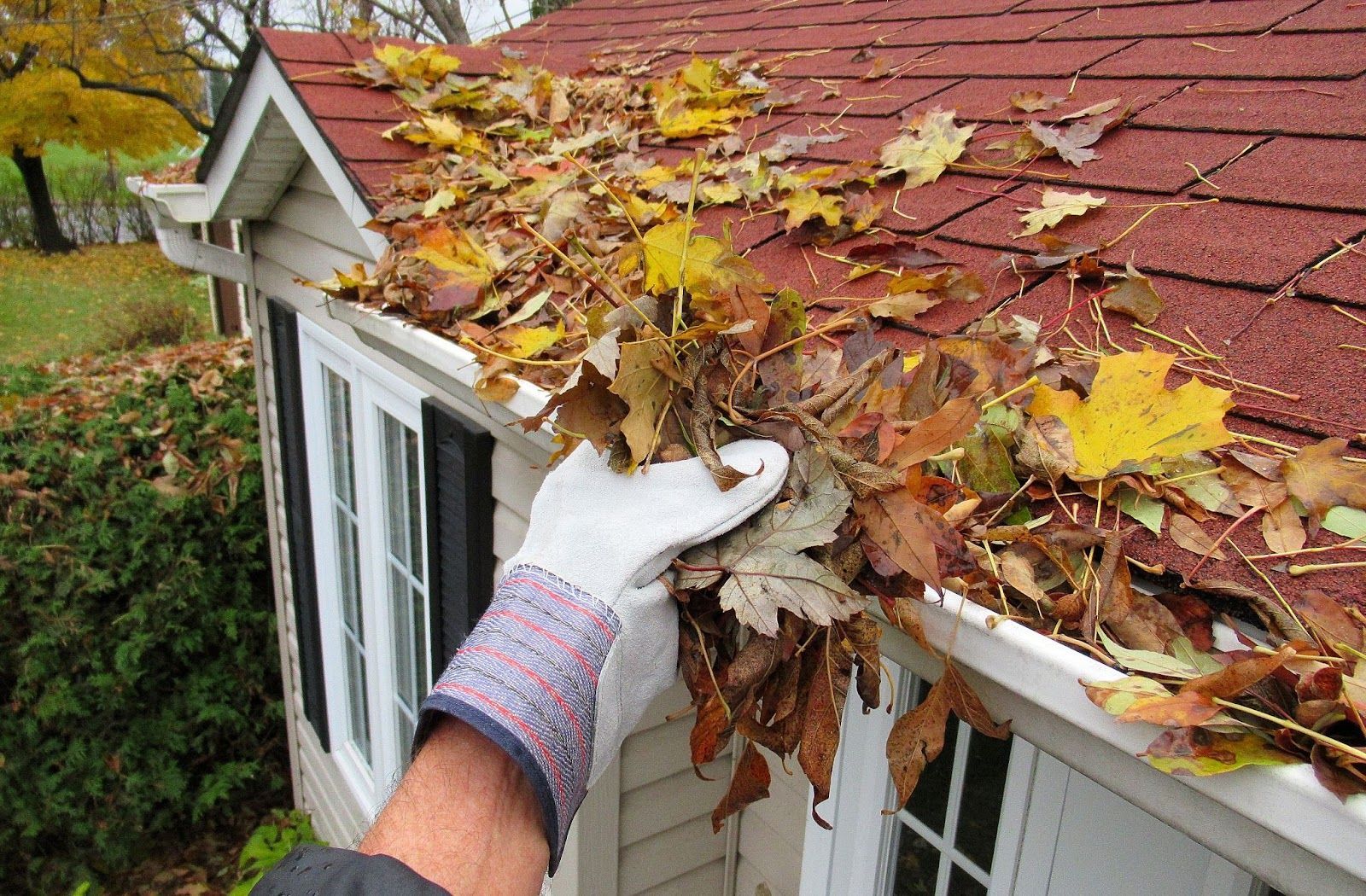
Table of Contents
- Inspect and Maintain Your HVAC System
- Seal and Insulate
- Prepare Your Plumbing
- Inspect and Clean Gutters
- Prepare for Snow and Ice
- Protect Your Home’s Exterior
- Safety and Emergency Preparedness
- Conclusion
- Ready to Winterize Your Home? Contact Silas Heating & Cooling LLC Today!
Inspect and Maintain Your HVAC System
Your HVAC system is your home’s primary defense against winter’s chill. Here’s what to do to ensure it’s ready for the colder months:
- Schedule a Professional Inspection:
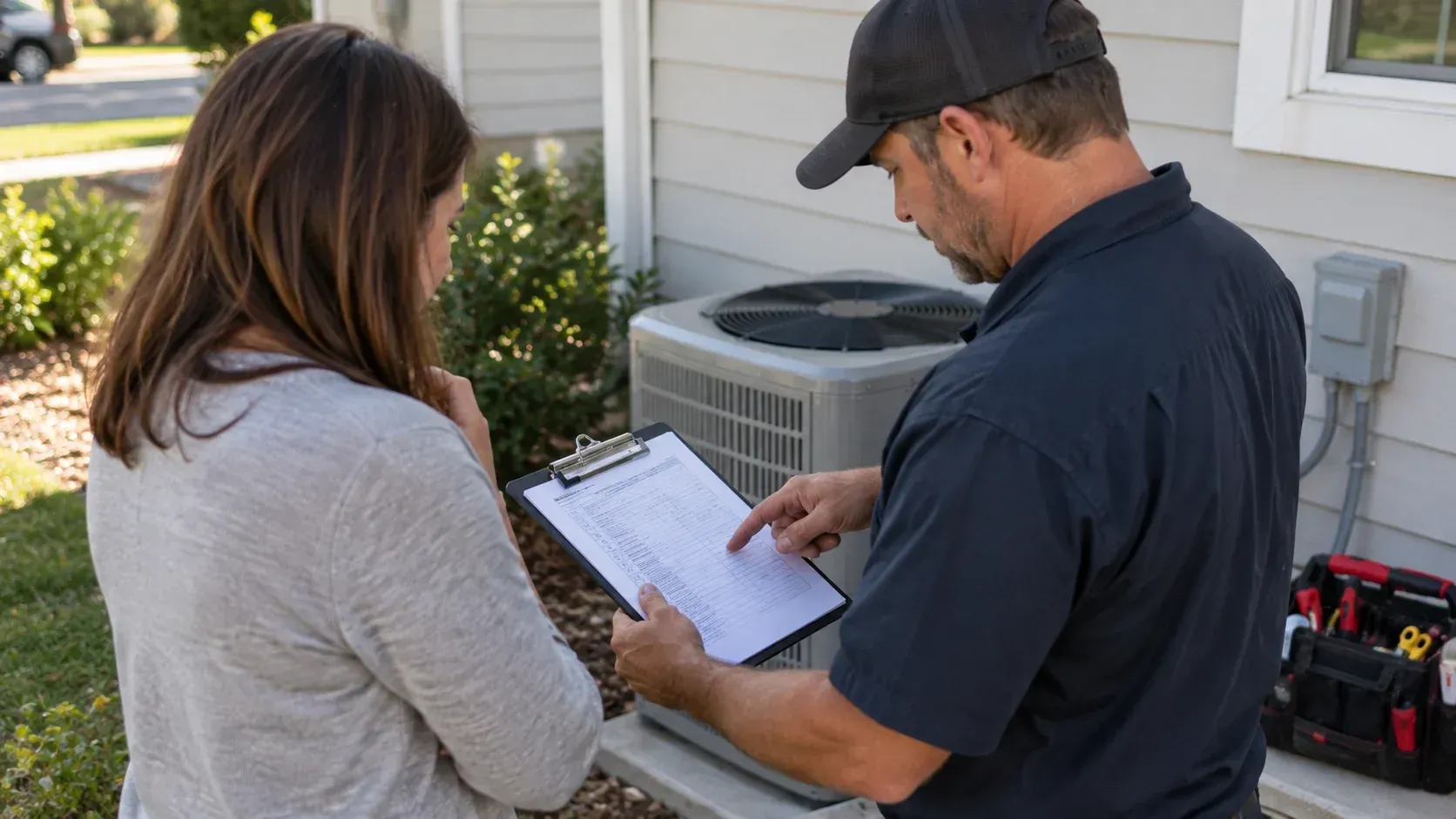
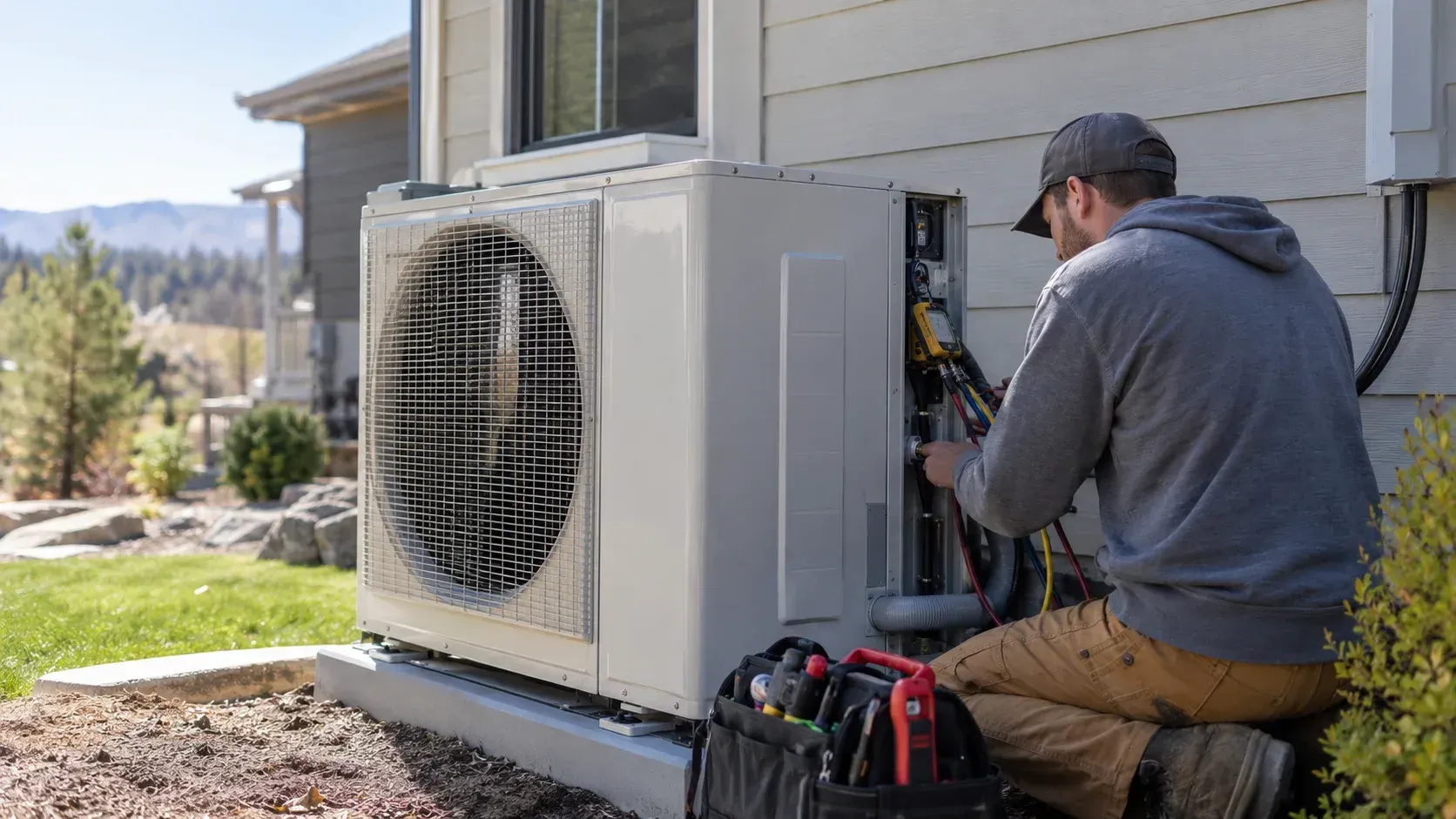
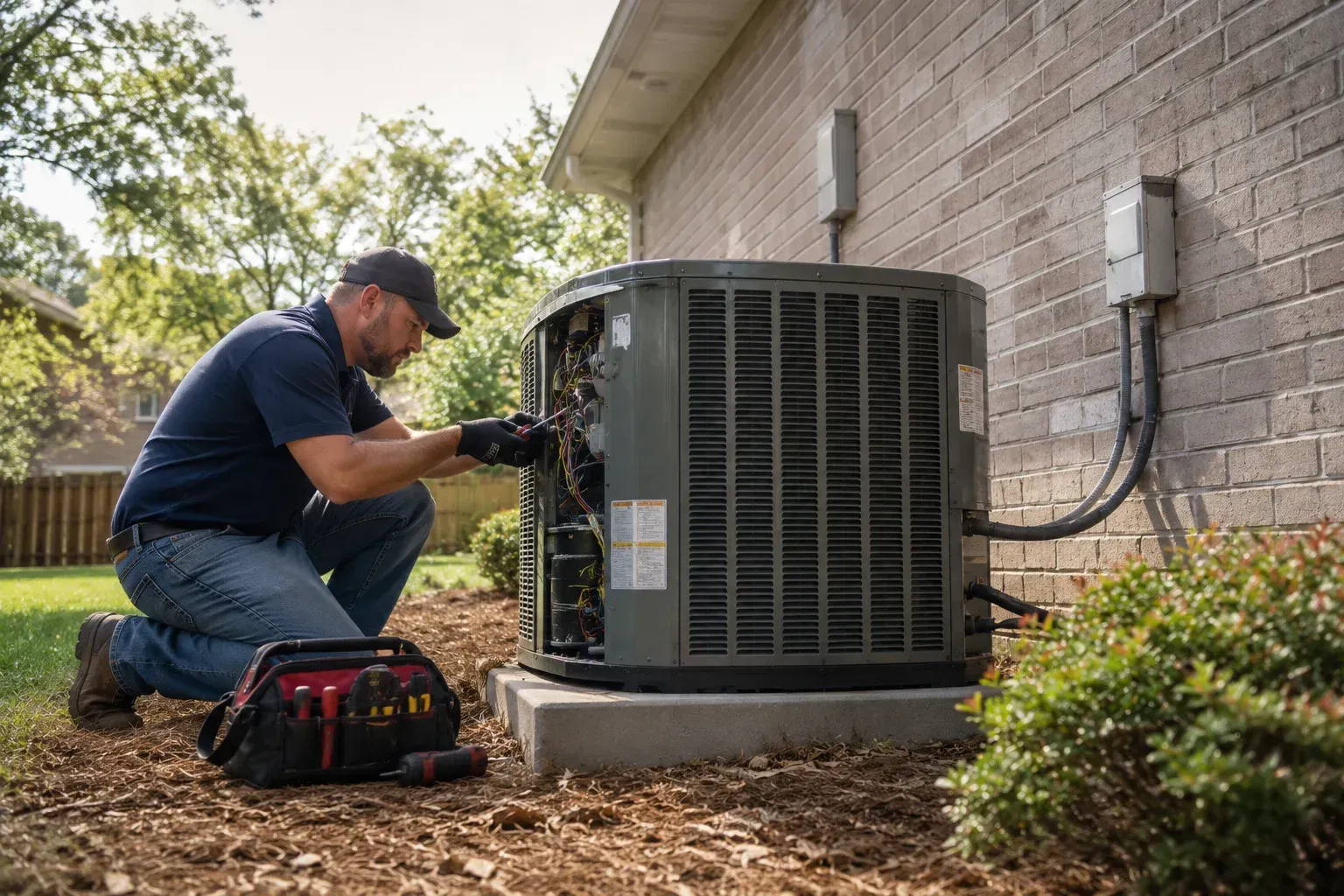
Have a qualified HVAC technician inspect and service your HVAC system. They will check the furnace, heat pumps, and air-conditioning units to ensure they are functioning correctly and efficiently. For those in areas like Horton, AL, or Albertville, contact local HVAC services for timely maintenance. - Change the Air Filter:
Replace the air filter to improve indoor air quality and system efficiency. A clean filter helps your HVAC system run smoothly and reduces energy consumption. - Check Thermostat Settings:
Ensure your thermostat is functioning properly and set to a comfortable temperature. Consider upgrading to a programmable thermostat for better control and energy savings.
Seal and Insulate
Proper sealing and insulation help prevent heat loss and keep your home warm:
- Inspect Windows and Doors:
Check for drafts around windows and doors. Use weatherstripping or caulk to seal any gaps. This simple step can significantly reduce heat loss and improve energy efficiency. - Insulate Pipes:
Insulate exposed pipes in unheated areas like the attic or basement to prevent them from freezing and bursting. Pipe insulation is readily available at hardware stores and is easy to install. - Check Attic Insulation:
Ensure your attic has sufficient insulation to keep warm air from escaping. This helps maintain a consistent indoor temperature and can lower heating costs.
Prepare Your Plumbing
Winter can be harsh on your plumbing system. Take these steps to avoid issues:
- Disconnect Garden Hoses:
Remove and drain garden hoses to prevent them from freezing and causing damage to your outdoor faucets. Store them in a dry place. - Shut Off Exterior Faucets:
If you have shut-off valves for exterior faucets, turn them off and drain the pipes. This helps prevent water from freezing and causing pipe damage. - Keep Interior Faucets Dripping:
In extremely cold weather, let a small stream of water drip from faucets to prevent pipes from freezing. This is particularly useful for pipes in unheated areas.
Inspect and Clean Gutters
Gutters play a crucial role in directing water away from your home. Clean and maintain them to prevent ice dams:
- Clean Leaves and Debris:
Remove leaves, twigs, and other debris from gutters and downspouts. Clogged gutters can cause water to back up, freeze, and create ice dams. - Check for Damage:
Inspect gutters for any signs of damage or loose sections. Repair or replace any damaged sections to ensure proper water flow.
Prepare for Snow and Ice
Snow and ice can impact your home’s exterior. Take these precautions:
- Stock Up on Ice Melt:
Keep ice melt or sand on hand to treat sidewalks and driveways. This helps prevent slips and falls and makes it easier to manage winter weather conditions. - Maintain Snow Removal Equipment:
Ensure snow shovels, snow blowers, and other equipment are in good working condition. Perform maintenance as needed, such as changing spark plugs or checking oil levels. - Inspect Roof and Flashing:
Check your roof for any missing or damaged shingles and inspect flashing around chimneys and vents. Repair any issues to prevent leaks and water damage from melting snow.
Protect Your Home’s Exterior
Prevent winter weather from causing damage to your home’s exterior:
- Seal Cracks and Gaps:
Inspect the exterior of your home for cracks and gaps. Seal them with appropriate materials to prevent cold air and moisture from entering. - Check Siding and Trim:
Ensure that siding and trim are in good condition. Repair or replace any damaged areas to prevent water infiltration and damage.
Safety and Emergency Preparedness
Be prepared for winter emergencies with these tips:
- Prepare an Emergency Kit:
Assemble an emergency kit with essential supplies, including flashlights, batteries, a first-aid kit, non-perishable food, and water. This kit will be useful in case of power outages or other emergencies. - Test Smoke and Carbon Monoxide Detectors:
Ensure that smoke and carbon monoxide detectors are functioning correctly. Replace batteries as needed and test the alarms to ensure they work properly. - Have a Backup Heating Source:
Consider having a backup heating source, such as a space heater or a generator, in case of a heating system failure. Follow safety guidelines for using these devices.
Conclusion
Proper winterization of your home is essential for maintaining comfort and preventing damage during the colder months. By following this ultimate home winterization checklist, you can protect your home from the effects of winter weather and ensure it remains warm, safe, and efficient.
Remember to schedule regular maintenance with HVAC technicians, check insulation, and prepare your home’s exterior to handle the challenges of winter. With these steps, you’ll be well-prepared for a cozy and worry-free winter season.
Ready to Winterize Your Home?
Ensure your home is fully prepared for the winter season with expert HVAC services from Silas Heating & Cooling LLC. Whether you need heating and cooling maintenance, emergency service, or a new HVAC system installation, our experienced HVAC technicians are here to help. Serving Horton, AL, Albertville, Boaz, Guntersville, Fort Payne, and Blount County, we offer comprehensive solutions tailored to your needs.
Don’t wait until the cold hits—contact us today at
(256) 572-9630 for a free quote or to schedule your service. With years of experience and a commitment to top-notch air conditioning service and HVAC repair, we’ll ensure your home stays warm and comfortable all winter long. Trust Silas Heating & Cooling LLC for all your heating and air needs!
Frequently Asked Questions
How often should I schedule a professional HVAC inspection before winter?
It's recommended to schedule a professional HVAC inspection at least once a year, ideally before the winter season starts. A pre-winter HVAC inspection ensures that your heating system is operating efficiently and can help prevent unexpected breakdowns. During this inspection, HVAC technicians will check for any issues with your heating system, clean air ducts, replace air filters, and ensure that your thermostat and HVAC system are functioning properly.
What should I do if my home has a basement or crawl space?
If your home has a basement or crawl space, it's important to take additional steps to prevent cold air from seeping in and causing issues. Insulate the walls and floor of the basement or crawl space to improve energy efficiency and prevent heat loss. Also, check for any gaps or cracks in the foundation and seal them to prevent drafts. Ensure that any exposed pipes are properly insulated to prevent freezing.
How can I prevent my water pipes from freezing in extreme temperatures?
To prevent your water pipes from freezing, ensure they are properly insulated, especially if they are located in unheated areas of your home like basements, crawl spaces, or attics. Use pipe insulation or heat tape on exposed pipes. Additionally, keep the thermostat set to a consistent temperature, even when you're away, to maintain a warm environment. Letting faucets drip slightly during extremely cold weather can also help keep water flowing and prevent freezing.
What are the best ways to improve indoor air quality during winter?
Indoor air quality can often deteriorate during the winter due to the use of heating systems and closed windows. To improve indoor air quality, regularly replace air filters in your HVAC system, use air purifiers, and ensure proper ventilation. Consider using a humidifier to maintain optimal humidity levels and reduce dry air, which can affect respiratory health. Additionally, check for any mold or mildew issues and address them promptly.
How can I ensure that my home’s insulation is adequate for winter?
To ensure your home’s insulation is adequate for winter, check the insulation levels in your attic, walls, and floors. You can use a home energy audit to identify areas where insulation may be lacking. Ensure that attic insulation is thick enough to prevent heat loss and that wall insulation is properly installed. Pay attention to areas around windows and doors, as poor insulation in these spots can lead to drafts. Adding insulation where needed will help maintain a consistent indoor temperature and reduce heating costs.
Related Posts