Understanding the Cost of Well Pump Replacement
Navigating the Waters of Well Pump Replacement
When the water flow in your home starts to falter, one common culprit is the well pump. This essential component is the heart of your home’s water system when you rely on well water. Replacing a well pump can be a significant undertaking, involving both a financial commitment and a deep dive into the mechanical requirements of installation. This comprehensive guide is designed to demystify the cost of well pump replacement for homeowners. We'll dissect the factors influencing the costs, from the type of pump to labor expenses, and point out the signs that it might be time for a replacement well pump.
Additionally, we will provide insights on how to select the right contractor and budget effectively for this critical home maintenance task.
Understanding Well Pump Basics
What is a Well Pump?
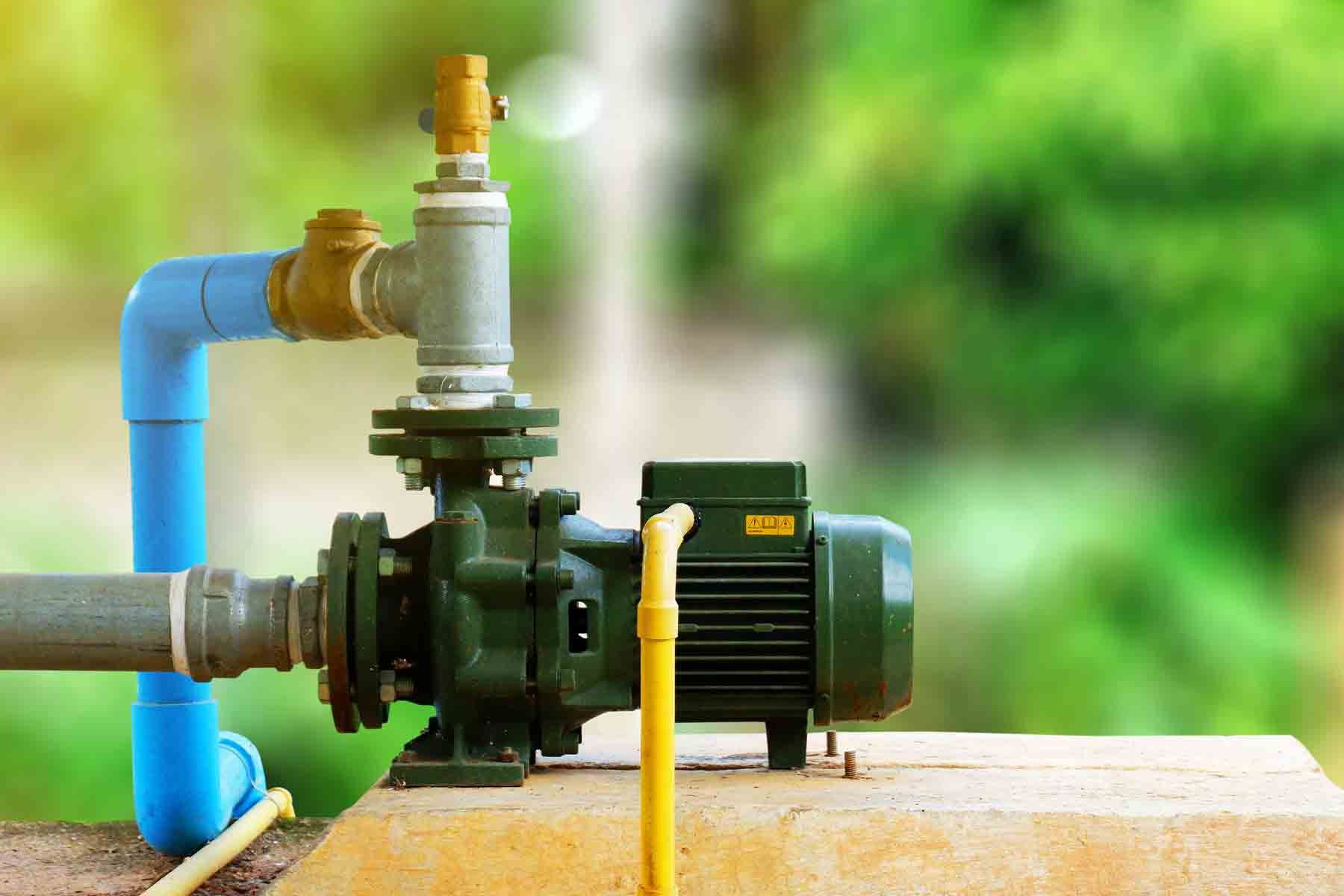
A well pump is an electromechanical device that extracts water from your underground well, delivering it to your home's plumbing system. There are primarily two types of well pumps:
- Submersible Pumps:
These are installed deep within the well itself, operating under water to push water to the surface. - Jet Pumps:
Positioned above ground, these pumps operate by drawing water up through a suction pipe.
Each type serves the same function but has different operational standards, installation complexities, and associated costs.
Why Replacement Might Be Necessary
Here are several signs that you may need to consider well water pump replacement:
- Age of the Pump:
Most well pumps are built to last between 10 to 15 years. If yours is within or beyond this range, it might be time to start looking for a replacement. - Decreased Water Pressure:
A significant decrease in water pressure can indicate that your pump is not working as efficiently as it should. - Strange Noises or High Energy Bills:
These symptoms can suggest that your pump is struggling, often working harder to maintain water pressure, leading to higher energy consumption.
Cost Factors for Well Pump Replacement
Type of Pump
The choice between a submersible pump and a jet pump will significantly affect the cost of well pump replacement:
- Submersible Pumps:
While more expensive due to their high efficiency and the complexity of installation (being placed deep within the well), they are generally more durable and require less maintenance. - Jet Pumps:
These are less costly upfront and easier to access for repairs but may incur higher operational costs over time due to lower efficiency.
Pump Capacity and Depth
- Depth of the Well:
Deeper wells require pumps with greater power to push water to the surface, which can increase the overall cost. - Pump Capacity:
Measured in gallons per minute (GPM), the capacity needs to be adequate to meet your household's water usage. Higher capacity pumps tend to be more expensive.
Labor Costs
The cost of labor can vary depending on geographic location, the complexity of the installation, and the time required to complete the job. Always obtain multiple quotes to ensure you get competitive pricing for your well water pump replacement.
Choosing the Right Contractor
Check Credentials and Reviews
It is crucial to verify that your contractor is licensed and insured. Check reviews from previous customers to gauge the quality of their service.
Get Multiple Estimates
Acquiring several estimates can help you understand the market rates and choose a contractor who offers the best balance of price and service quality.
Ask About Warranties and Services
A reputable contractor will offer a warranty on both the pump and their labor, providing peace of mind and protection for your investment.
Planning and Budgeting for Replacement
Initial Cost vs. Long-Term Savings
Opting for a more efficient pump might require a higher initial investment, but it can lead to significant savings on energy bills in the long run.
Setting Aside a Budget
Besides the estimated cost of the pump and installation, it's wise to reserve additional funds to cover any unforeseen expenses that might arise during the installation process
Conclusion
Replacing your well pump is a critical decision, but armed with the right information and a trustworthy contractor, the process can be streamlined, ensuring a reliable water supply for years to come. By understanding the key cost factors of well pump replacement, recognizing the signs of a failing pump, and choosing the right professional, you're well-equipped to make informed decisions that protect both your home's water supply and your financial investment.
By following this guide, you can approach your replacement well pump project with confidence, knowing you're prepared to tackle each aspect of the process.
Contact us today!
Related Posts