The Role of Proper Ductwork in HVAC Installation Efficiency
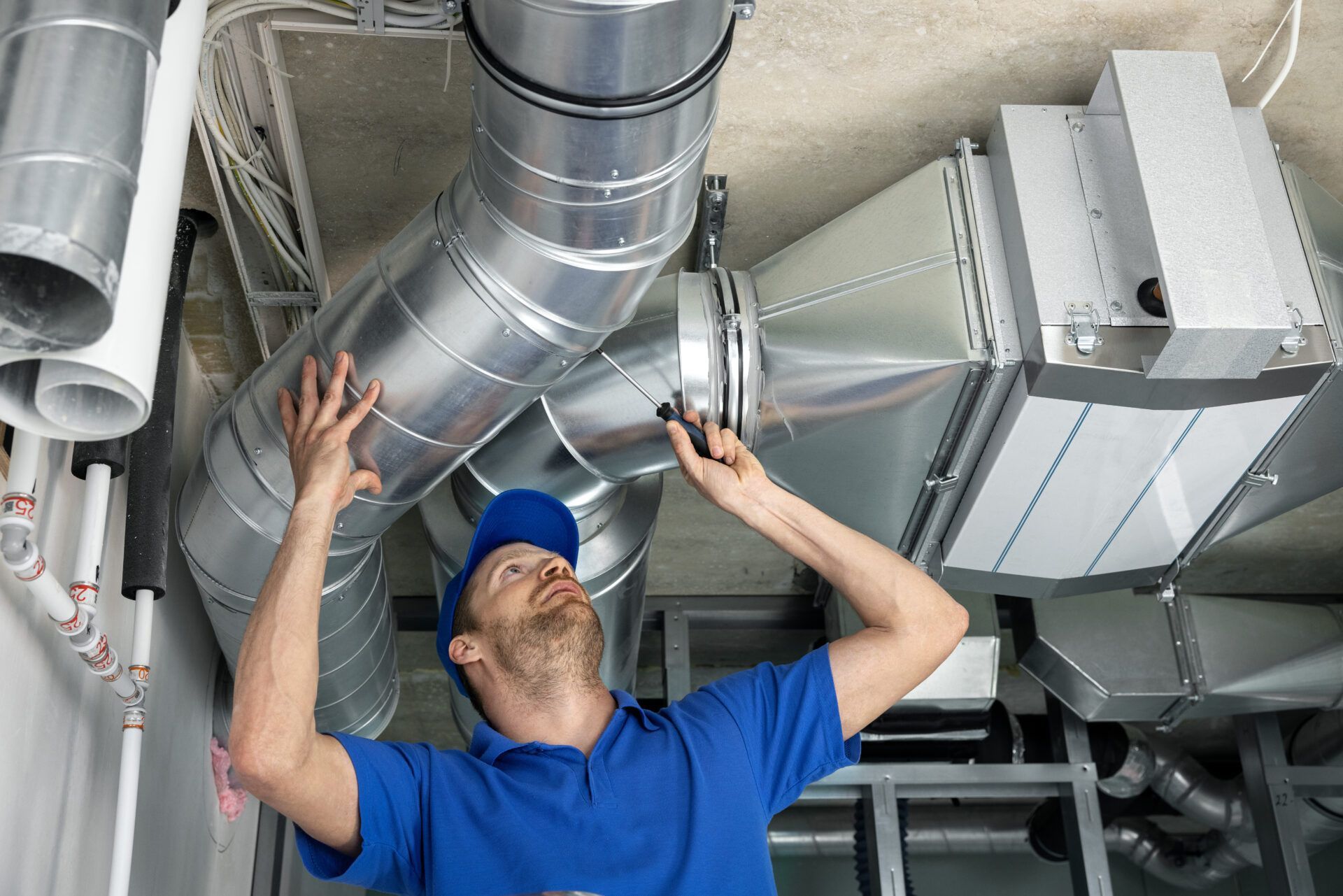
Table of Contents
- Introduction
- Why Ductwork Matters in HVAC Installation
- What HVAC Ductwork Does
- Key Elements of Effective Ductwork
- How Ductwork Affects HVAC Efficiency
- How Poor Ductwork Can Affect Home Comfort
- Signs Your Ductwork May Need Attention
- Why Duct Design Matters During HVAC Installation
- Duct Sealing and Insulation
- When Ductwork Should Be Repaired or Replaced
- Why Professional Duct Installation Matters
- How Proper Ductwork Can Support Long-Term HVAC Performance
- Final Thoughts
- Frequently Asked Questions
- Contact Silas Heating & Cooling
Key Takeaways
- Proper ductwork helps distribute conditioned air throughout your home.
- Duct design, sizing, sealing, insulation, and placement can all affect HVAC performance.
- Leaky, damaged, poorly insulated, or improperly designed ducts can contribute to inconsistent temperatures and wasted conditioned air.
- Ductwork should be evaluated as part of an HVAC installation rather than treated as an afterthought.
- Professional duct installation can help ensure the duct system works appropriately with the heating and cooling equipment.
- Existing ductwork should be evaluated before connecting a new HVAC system to determine whether it can adequately support the new equipment.
Introduction
Proper ductwork plays a critical role in HVAC installation efficiency because it helps deliver heated and cooled air where it is needed while supporting consistent airflow throughout your home. Choosing the right HVAC equipment is important, but even a high-quality system can struggle to perform as expected when the ductwork is poorly designed, incorrectly sized, inadequately sealed, or in poor condition.
Before installing a new system, homeowners should look beyond the equipment itself and consider how the entire HVAC system will work together. This includes evaluating the existing ductwork, airflow requirements, insulation, connections, and the home's layout. If you're preparing for a new system, understanding what to expect during an HVAC installation can also help you understand where ductwork fits into the overall process.
In this guide, we'll explain how ductwork affects HVAC efficiency, the signs that your ducts may need attention, why proper duct design matters during installation, and when repairing or replacing existing ductwork may make sense.
Why Ductwork Matters in HVAC Installation
Proper ductwork matters because it determines how effectively your HVAC system can move conditioned air throughout your home.
Homeowners often focus on the equipment itself when replacing or installing an HVAC system. The efficiency rating, system size, brand, and price may all influence the purchase decision.
But the equipment is only one part of the system.
Your ductwork provides the pathway that carries heated and cooled air between the HVAC equipment and the rooms in your home. If that pathway is poorly designed, damaged, disconnected, inadequately insulated, or improperly sized, the equipment may not deliver the comfort you expect.
That is why ductwork should be considered during the HVAC installation process, particularly when an older system is being replaced.
What HVAC Ductwork Does
HVAC ductwork distributes conditioned air throughout your home.
Supply ducts carry heated or cooled air toward living spaces, while return pathways bring air back toward the HVAC equipment.
For the system to operate effectively, air needs to move through these pathways with appropriate resistance and distribution.
Poor ductwork can interfere with that process.
You might notice:
- One room is consistently warmer or cooler than another.
- Certain vents have noticeably weaker airflow.
- The HVAC system seems to run for long periods.
- Some areas of the home are difficult to keep comfortable.
- You hear unusual rattling or airflow noises.
- Dust appears around certain vents or registers.
These symptoms do not automatically mean the ductwork is the problem. HVAC equipment, filters, thermostats, insulation, and other components can create similar symptoms.
However, persistent airflow or comfort problems can justify having the duct system evaluated.
Key Elements of Effective Ductwork
A properly functioning duct system depends on more than simply having ducts installed.
Duct Design
Ducts should be planned around the home's layout and the requirements of the HVAC system.
Poorly planned ductwork can contribute to uneven airflow and inconsistent temperatures.
Duct Sizing
Duct dimensions affect how air moves through the system.
Ducts that are not appropriately sized for the system can contribute to airflow problems.
This is one reason ductwork should be considered alongside equipment selection rather than designed independently.
For more information about another important part of equipment selection, see our guide explaining why proper HVAC sizing matters for your home's comfort and efficiency.
Sealing
Connections and joints should be properly sealed to minimize unwanted air leakage.
Leaks can prevent conditioned air from reaching the spaces where it is intended to go.
Insulation
Ducts located in areas such as attics, crawlspaces, or other unconditioned spaces may need appropriate insulation.
The goal is to limit unwanted heat transfer as air travels through the duct system.
Placement
The location and routing of ducts can influence how effectively conditioned air reaches different areas of the home.
A thoughtful layout can help support more consistent airflow and comfort.
How Ductwork Affects HVAC Efficiency
Your HVAC equipment uses energy to heat or cool air.
The duct system then needs to deliver that conditioned air throughout the home.
If the ductwork has significant problems, some of that conditioned air may not reach its intended destination effectively.
Air Leakage
Leaks at duct connections or damaged sections can allow conditioned air to escape.
This can be particularly concerning when ducts run through unconditioned spaces.
Instead of assuming a specific percentage of conditioned air is lost in every poorly sealed system, homeowners should have the ductwork evaluated to determine whether leakage is actually affecting their home's performance.
Restricted Airflow
Ductwork can also affect how freely air moves through the system.
Restrictions, poorly designed sections, or other airflow problems can make it harder for the HVAC system to distribute air properly.
Increased System Runtime
When rooms do not receive adequate conditioned air, homeowners may adjust the thermostat or allow the system to operate longer.
Long runtime can have many causes, so it should not automatically be blamed on ductwork.
However, persistent comfort problems combined with airflow issues are a good reason to investigate the distribution system.
How Poor Ductwork Can Affect Home Comfort
One of the most noticeable effects of ductwork problems is inconsistent comfort.
For example, you might have a bedroom that stays warm while the living room feels comfortable.
Or one side of the home may cool normally while another area remains noticeably warmer.
This can happen for several reasons, including:
- Improper duct sizing
- Poor duct layout
- Leaking connections
- Restricted airflow
- Inadequate insulation around ducts
- Blocked registers
- Problems with the HVAC equipment itself
Because multiple issues can produce similar symptoms, diagnosing the actual cause is important.
Replacing ductwork is not always necessary.
Sometimes sealing, repairing, balancing, or addressing another airflow issue may be sufficient.
Signs Your Ductwork May Need Attention
Your duct system is often hidden behind walls, ceilings, or floors, so identifying problems is not always straightforward.
However, homeowners can watch for several warning signs.
Uneven Temperatures
If some rooms consistently feel warmer or cooler than others, the air distribution system may need to be evaluated.
Weak Airflow
Noticeably weak airflow from one or more vents can indicate a restriction, disconnected duct, equipment problem, or another airflow issue.
Excessive Dust
Unusual dust accumulation can have several causes. If you notice significant dust around vents or throughout the home, an HVAC professional can help determine whether the duct system is contributing.
Noisy Ducts
Rattling, whistling, popping, or unusual airflow sounds can sometimes indicate ductwork or airflow problems.
Rising Energy Costs
Higher energy costs alone do not prove that your ducts are leaking.
Utility rates, weather, thermostat settings, equipment condition, and household usage can all affect energy consumption.
However, if higher energy use occurs alongside poor airflow or inconsistent comfort, ductwork should be considered as one possible cause.
For additional information about the relationship between HVAC performance and energy consumption, see how regular HVAC maintenance can lower your energy bills.
Why Duct Design Matters During HVAC Installation
Ductwork should not be treated as an afterthought when installing a new HVAC system.
The new equipment needs to work with the home's air distribution system.
If the existing ductwork was designed around different equipment or has deteriorated over time, connecting a new system without evaluating the ducts may lead to performance problems.
Existing Ductwork Should Be Evaluated
Replacing the HVAC unit does not automatically mean the ducts need to be replaced.
However, an HVAC professional should consider factors such as:
- Duct condition
- Duct sizing
- Airflow
- Insulation
- Sealing
- Layout
- Compatibility with the new equipment
This evaluation can help determine whether repair, modification, sealing, or replacement makes sense.
New Construction Requires Careful Planning
When ductwork is being installed for a new home or major renovation, there is an opportunity to plan the system around the home's layout from the beginning.
That can make it easier to consider airflow requirements, equipment location, duct routing, and accessibility.
Duct Sealing and Insulation
Two important areas of ductwork maintenance are sealing and insulation.
Duct Sealing
Duct joints and connections can develop leaks over time.
Professional sealing can help reduce unwanted air loss where appropriate.
This is particularly important when ducts travel through unconditioned spaces.
Duct Insulation
Insulation helps reduce unwanted heat transfer between the duct and surrounding environment.
The importance of insulation depends on where the ducts are located and the construction of the home.
A professional can determine whether existing insulation is adequate and whether damaged or missing insulation needs attention.
When Ductwork Should Be Repaired or Replaced
Not every duct problem requires complete replacement.
Depending on the condition of the system, possible solutions may include:
- Sealing leaking connections
- Repairing damaged sections
- Improving insulation
- Correcting certain airflow restrictions
- Modifying sections of the duct system
- Replacing severely deteriorated ductwork
The right solution depends on the condition and design of the existing system.
If you're installing new HVAC equipment, ask whether your existing ductwork is appropriate for the replacement system before deciding to keep it unchanged.
Why Professional Duct Installation Matters
Ductwork may appear straightforward, but effective installation requires more than connecting sections of duct together.
Professionals need to consider airflow, sizing, routing, sealing, insulation, equipment requirements, and the layout of the home.
Professional installation can help with:
More Consistent Air Distribution
Properly planned ductwork can help deliver conditioned air more evenly throughout the home.
Better System Compatibility
Ductwork should be appropriate for the HVAC equipment it serves.
Reduced Air Leakage
Properly sealed connections can reduce unwanted conditioned-air loss.
Easier Troubleshooting
A well-designed and accessible duct system can make future inspection and service easier.
How Proper Ductwork Can Support Long-Term HVAC Performance
Ductwork is part of the larger HVAC system, so maintaining it should be considered alongside equipment maintenance.
Filters should be checked and replaced as recommended, vents should remain unobstructed, and unusual airflow or comfort problems should be addressed rather than ignored.
Regular professional HVAC maintenance can also provide an opportunity to identify airflow and ductwork concerns before they become more disruptive.
For homeowners who want a more structured approach to ongoing care, our seasonal HVAC maintenance checklist provides additional guidance on routine system care throughout the year.
Final Thoughts
Proper ductwork plays an important role in how effectively an HVAC system distributes heating and cooling throughout your home.
Choosing a high-quality HVAC unit is important, but the equipment still depends on an appropriate air distribution system.
Duct sizing, design, sealing, insulation, placement, and condition can all influence airflow and comfort.
If your home has uneven temperatures, weak airflow, unusual duct noises, or persistent comfort problems, do not automatically assume that the HVAC equipment needs to be replaced.
The issue could involve the ductwork, thermostat, filter, insulation, airflow, or another component.
A professional evaluation can help identify the actual cause and determine whether duct repair, modification, sealing, or replacement is appropriate.
When you're planning a new HVAC installation, consider the entire system rather than focusing exclusively on the equipment.
Contact Silas Heating & Cooling
If your home has uneven temperatures, weak airflow, or ductwork that has not been evaluated in years, Silas Heating & Cooling can help determine whether your HVAC system's air distribution needs attention.
Call
(256) 572-9630 or
contact Silas Heating & Cooling to discuss your HVAC installation, maintenance, repair, or ductwork needs.
Frequently Asked Questions
Why is ductwork important in an HVAC system?
Ductwork distributes conditioned air throughout your home and returns air to the HVAC equipment. Poorly designed, damaged, leaking, or restricted ducts can interfere with airflow and contribute to inconsistent comfort.
Can bad ductwork make my HVAC system less efficient?
Yes, ductwork problems can affect system performance. Leaks, restrictions, poor insulation, and improper design can interfere with the distribution of conditioned air. However, other HVAC problems can cause similar symptoms, so proper diagnosis is important.
How do I know if my ductwork is leaking?
Potential signs include uneven temperatures, weak airflow, unusual noises, and persistent comfort problems. A professional can evaluate the duct system and identify whether significant leakage is present.
Should ductwork be replaced when installing a new HVAC system?
Not always. Existing ducts may be suitable for a replacement system if they are in good condition and appropriately designed. They should be evaluated before the new equipment is installed.
Does duct sealing reduce energy waste?
Properly sealing appropriate duct connections can reduce unwanted air leakage. The actual impact depends on the condition and location of the duct system.
Can ductwork affect indoor comfort?
Yes. Poor airflow distribution can contribute to rooms that are consistently warmer or cooler than others. However, insulation, equipment performance, thermostat settings, and other factors can also affect comfort.
How often should ductwork be inspected?
There is no universal inspection interval that applies to every home. Consider having the ductwork evaluated when you notice airflow or comfort problems, when installing new HVAC equipment, or when other signs suggest the system may need attention.
Can I install HVAC ductwork myself?
Ductwork involves airflow design, sizing, sealing, insulation, and compatibility with the HVAC equipment. Professional installation is generally the better choice when designing or significantly modifying a duct system.
Related Posts