Why Your Light Fixture Is Flickering
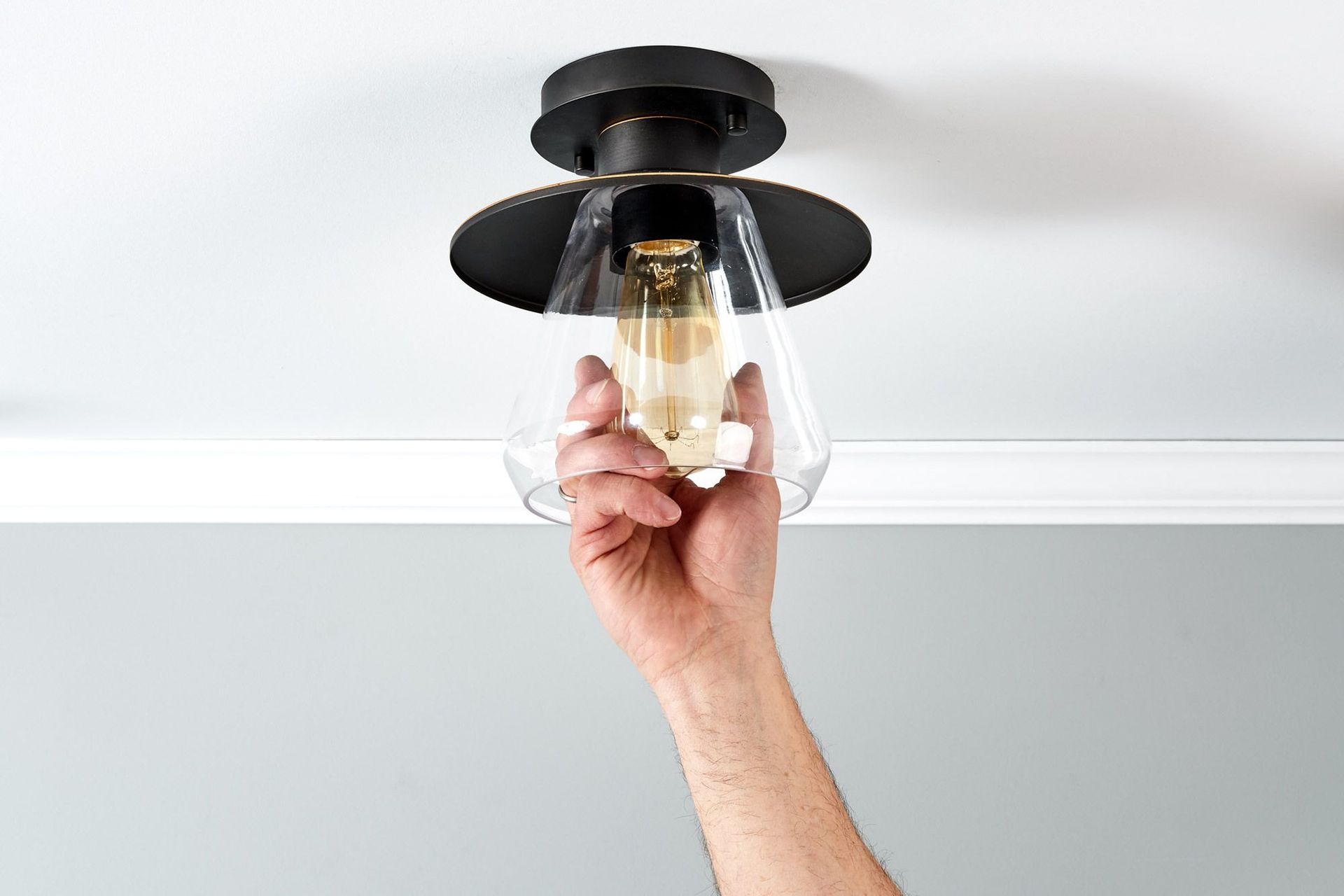
Table of Contents
- Common Causes of Flickering Light Fixtures
- Loose Bulb
- Faulty Light Switch
- Dimmer Switch Issues
- Wiring Problems
- Circuit Overload
- Voltage Fluctuations
- Electrical Panel Issues
- Solutions for Flickering Light Fixtures
- Tighten the Bulb
- Replace or Repair the Switch
- Upgrade the Dimmer Switch
- Inspect and Repair Wiring
- Balance Electrical Load
- Address Voltage Fluctuations
- Check the Electrical Panel
- When to Call a Professional
- Conclusion
- Ready to Fix Your Flickering Lights? Contact Silas Heating & Cooling LLC Today!
Common Causes of Flickering Light Fixtures
Flickering light fixtures can be more than just a minor inconvenience—they can be a sign of various underlying issues in your home’s electrical system. Understanding what might be causing your lights to flicker is crucial for addressing the problem effectively and ensuring your home's safety.
Let’s delve into some of the most common causes of flickering lights, providing you with insights into why this issue might be occurring and how to identify potential solutions.
Loose Bulb
One of the simplest and most common causes of flickering lights is a loose or improperly installed bulb. When a bulb is not screwed in tightly, it can make inconsistent contact with the socket, causing the light to flicker. This issue is easy to fix—just turn off the light, let the bulb cool if it’s been on, and then tighten it.
Faulty Light Switch
A malfunctioning light switch can also cause flickering. If the switch is old, damaged, or has loose connections, it might not deliver a steady current to the light fixture. Replacing the switch or tightening the connections can often resolve this issue.
Dimmer Switch Issues
Dimmer switches are designed to adjust the brightness of your lights, but if they are not compatible with your light bulbs, they can cause flickering. Ensure that the dimmer switch is compatible with the type of bulbs you are using, and consider replacing it with a newer model if necessary.
Wiring Problems
Faulty wiring can be a more serious cause of flickering lights. Loose or damaged wires in your electrical system can lead to inconsistent power delivery to your fixtures. This issue often requires the expertise of a licensed electrician to diagnose and repair safely. It’s crucial to address wiring issues promptly to avoid potential fire hazards.
Circuit Overload
If your electrical circuit is overloaded with too many devices or fixtures, it can cause flickering lights. Overloading can lead to insufficient power supply and strain on your electrical system. Distributing the load more evenly across circuits or upgrading your panel can help alleviate this problem.
Voltage Fluctuations
Fluctuations in voltage can lead to flickering lights. This can be caused by high-power appliances that cycle on and off, such as air conditioners or heat pumps. If you notice that the flickering coincides with the use of specific appliances, this might be the issue. A professional electrician can help determine if voltage fluctuations are affecting your lighting and suggest solutions.
Electrical Panel Issues
An issue with your electrical panel, such as a loose or corroded connection, can also cause flickering lights. Regular maintenance and inspection of your electrical panel can help ensure that it is functioning correctly and safely.
Solutions for Flickering Light Fixtures
Addressing flickering light fixtures can range from simple DIY fixes to more involved repairs, depending on the underlying cause. Here’s a guide to some effective solutions for resolving flickering lights:
Tighten the Bulb
If the flickering is caused by a loose bulb, simply turn off the light, let it cool, and tighten the bulb until it’s securely in place.
Replace or Repair the Switch
If you suspect the light switch is the problem, try replacing it with a new one or check the connections. If you’re not comfortable working with electrical components, contact a professional electrician for assistance.
Upgrade the Dimmer Switch
Ensure that your dimmer switch is compatible with your bulbs. If it’s not, consider replacing it with a newer, compatible dimmer or a standard switch.
Inspect and Repair Wiring
If faulty wiring is suspected, it’s best to call a licensed electrician to inspect and repair the wiring. This ensures that the problem is addressed safely and effectively.
Balance Electrical Load
To prevent circuit overload, distribute electrical devices and fixtures across multiple circuits. If necessary, consider upgrading your electrical panel to handle the increased load.
Address Voltage Fluctuations
If voltage fluctuations are causing flickering, consult an electrician to assess the situation and recommend solutions, such as installing a voltage stabilizer.
Check the Electrical Panel
Have a professional inspect your electrical panel for loose or corroded connections. Regular maintenance can prevent issues and ensure your system is functioning properly.
When to Call a Professional
While some issues causing flickering lights can be resolved with simple fixes, others may require the expertise of a licensed electrician. If you’re unsure about the cause of the flickering or if you encounter more complex electrical problems, it’s best to contact a professional.
An electrician can provide a thorough inspection, accurate diagnosis, and safe repair solutions to keep your home’s electrical system running smoothly.
Conclusion
Flickering light fixtures can be caused by a variety of issues, from simple bulb problems to more serious electrical concerns. By understanding these potential causes and applying the appropriate solutions, you can address the problem and ensure the safety and efficiency of your home’s lighting.
If you’re ever in doubt or dealing with more complex electrical issues, don’t hesitate to seek the help of a qualified electrician. Proper maintenance and timely repairs will keep your lighting system in optimal condition and provide peace of mind.
Ready to Fix Your Flickering Lights?
If you're experiencing flickering lights or any other electrical issues, Silas Heating & Cooling LLC is here to help. As a leading HVAC contractor in Horton, AL, and the surrounding areas of Albertville, Boaz, Guntersville, Fort Payne, and Blount County, we offer expert solutions for all your heating and cooling needs. With years of experience, our skilled HVAC technicians are ready to tackle your HVAC repair, air conditioning service, and more.
Don’t let electrical problems disrupt your comfort. Contact us for a free quote and prompt emergency service. Our team is dedicated to providing top-notch service to homeowners, ensuring your HVAC system and indoor air quality are in optimal condition.
Call us today at
(256) 572-9630 to discuss your HVAC needs and let us handle the rest. Experience the difference with Silas Heating & Cooling LLC!
Frequently Asked Questions
Can a flickering light fixture indicate a problem with the electrical wiring in my home?
Yes, a flickering light fixture can sometimes signal issues with your home's electrical wiring. Loose or faulty wiring can cause fluctuations in power, leading to flickering. If you suspect this, it’s crucial to have a qualified electrician inspect your wiring to ensure it meets safety standards and is functioning correctly. Additionally, if you have a mini split system or other power solutions, ensure they are correctly installed to prevent electrical issues.
How can I determine if the issue with my flickering light is related to the light bulb itself?
To determine if the problem is with the light bulb, try replacing the flickering bulb with a new one. If the new bulb also flickers, the issue might be with the fixture or the electrical connections. However, if the new bulb functions properly, the original bulb may have been defective. If you are using energy-efficient bulbs or an air-conditioning unit, ensure compatibility and check the warranty terms if applicable.
What should I do if my light fixture flickers even after replacing the bulb?
If your light fixture continues to flicker after changing the bulb, the issue may lie with the fixture itself, the dimmer switch, or the electrical connections. Check for loose connections, damaged sockets, or malfunctioning dimmers. If the problem persists, consider consulting a professional electrician for a thorough diagnosis. For issues related to HVAC services or the cooling system, make sure to address those separately to avoid compounded issues.
Can flickering lights be caused by issues with my home’s circuit breaker or fuse box?
Yes, flickering lights can sometimes be attributed to problems with your circuit breaker or fuse box. A tripped breaker or a faulty fuse may cause intermittent power supply issues, leading to flickering lights. Check your breaker box for any signs of tripping or damage and reset any tripped breakers. If the problem continues, seek assistance from an electrician. Additionally, make sure that your mini split system or other HVAC units are properly connected to avoid any interference with your home’s power supply.
Are there any preventive measures I can take to avoid light fixture flickering in the future?
To prevent light fixture flickering, ensure that light bulbs are properly installed and compatible with the fixture. Regularly check and tighten electrical connections and consider using high-quality light bulbs and fixtures. For fixtures with dimmers, ensure the dimmer switch is compatible with the type of bulbs you use. Regular maintenance and timely repairs, including HVAC services for your air-conditioning unit, can also help minimize flickering issues. For more information or assistance, you can call the phone number provided for support.
Related Posts