What Is a Heat Pump System and Is It Right for Horton, AL Weather?
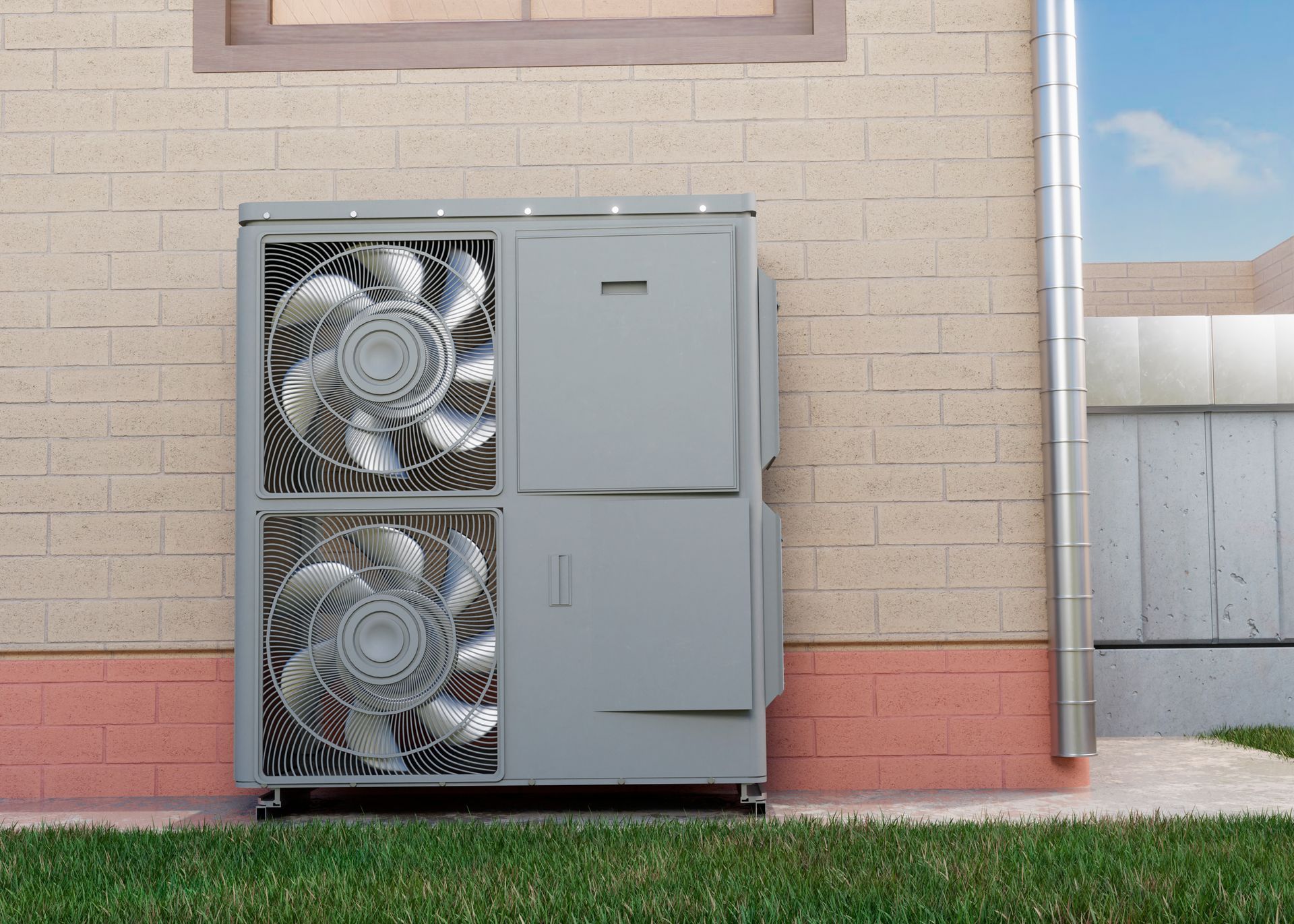
Table of Contents
- Introduction
- What Is a Heat Pump and How Does It Work
- Types of Heat Pump Systems
- How Heat Pumps Perform in Horton, AL Weather
- Benefits of Heat and Air Conditioning Pumps
- Potential Limitations to Consider
- Cost and Efficiency Factors
- When a Heat Pump System May Be a Suitable Choice
- Conclusion
- Book a Heat Pump Consultation
- Frequently Asked Questions
Key Takeaways
- A heat pump system provides both heating and cooling using one unit.
- It works by transferring heat instead of generating it.
- Heat and air conditioning pumps can perform efficiently in moderate Southern climates.
- Horton, AL weather is generally suitable, though colder days may affect performance.
- Installation, insulation, and home size influence overall efficiency and cost.
Introduction
A heat pump system is an HVAC solution that provides both heating and cooling by transferring heat rather than producing it. For homeowners in Horton, AL, this matters because local weather conditions play a key role in how efficiently a system operates throughout the year. Understanding what is a heat pump and how it performs in Southern climates can help homeowners make informed, practical decisions about indoor comfort without relying on assumptions or outdated systems.
What Is a Heat Pump and How Does It Work
A heat pump system is designed to move heat from one place to another. During warmer months, it removes heat from inside your home and releases it outdoors, similar to an air conditioner. In cooler months, it reverses this process by pulling heat from the outside air and transferring it indoors.
Unlike traditional heating systems that burn fuel or use electric resistance, heat pumps rely on refrigerant and a compressor to move heat efficiently. This approach often uses less energy because it does not create heat directly.
Key Components of a Heat Pump System
- Outdoor unit with a compressor and coil
- Indoor air handler or furnace connection
- Refrigerant lines
- Thermostat control system
These components work together to maintain a consistent indoor temperature across seasons.
Types of Heat Pump Systems
There are several types of heat pump systems available, each suited to different home layouts and needs.
Air-Source Heat Pumps
These are the most common systems. They transfer heat between your home and the outside air. They are widely used in regions with moderate climates.
Ductless Mini-Split Systems
Ductless systems operate without traditional ductwork. They are often used for room additions, smaller homes, or areas where installing ducts is not practical.
Ground-Source Heat Pumps
Also known as geothermal systems, these use the stable temperature of the ground to transfer heat. They tend to have higher installation costs but can provide consistent efficiency.
Each type has its own installation and performance considerations, especially when evaluated against local weather patterns.
How Heat Pumps Perform in Horton, AL Weather
Horton, AL experiences a mix of hot summers and relatively mild winters. This climate profile is an important factor when evaluating a heat pump system.
Summer Performance
Heat pumps function similarly to standard air conditioners during hot weather. They are generally effective at cooling indoor spaces, even during extended warm periods.
Winter Performance
In cooler months, heat pumps extract heat from outdoor air. Since winters in Horton are typically not extreme, heat pumps can often maintain indoor comfort efficiently. However, during colder days, the system may rely on supplemental heating to maintain desired temperatures.
Seasonal Efficiency
Because heat and air conditioning pumps handle both heating and cooling, they can provide year-round climate control without the need for separate systems.
Benefits of Heat and Air Conditioning Pumps
Heat pump systems offer several practical advantages for homeowners looking to simplify their HVAC setup.
Energy Efficiency
Since heat pumps transfer heat instead of generating it, they often use less electricity compared to traditional systems.
Dual Functionality
A single system provides both heating and cooling, reducing the need for separate equipment.
Consistent Temperature Control
Heat pumps are designed to maintain steady indoor temperatures with gradual adjustments.
Environmental Considerations
Lower energy usage may contribute to reduced environmental impact, depending on the energy source.
These benefits are most noticeable when the system is properly sized and installed.
Potential Limitations to Consider
While heat pumps can be effective, they are not ideal for every situation.
Reduced Efficiency in Colder Temperatures
As outdoor temperatures drop, it becomes more challenging for the system to extract heat. This can lead to increased energy use or reliance on backup heating.
Upfront Installation Costs
Initial installation costs may be higher than some traditional systems, depending on the type and setup required.
Home Insulation Requirements
Poor insulation can affect performance. Homes with air leaks or inadequate insulation may not experience optimal efficiency.
Maintenance Needs
Regular maintenance is necessary to ensure proper operation and system longevity.
Understanding these limitations helps set realistic expectations.
Cost and Efficiency Factors
The overall cost and efficiency of a heat pump system depend on several variables.
Installation Factors
- Size of the home
- Existing ductwork condition
- Type of heat pump system selected
Operating Costs
Energy consumption varies based on usage patterns, thermostat settings, and seasonal weather conditions.
Efficiency Ratings
Heat pumps are rated using SEER for cooling and HSPF for heating. Higher ratings indicate better efficiency, though actual performance depends on real-world conditions.
Long-Term Considerations
Maintenance, repairs, and system lifespan all contribute to the total cost of ownership.
When a Heat Pump System May Be a Suitable Choice
A heat pump system may be appropriate for homeowners in Horton, AL under certain conditions:
- The home is located in a moderate climate zone
- Energy efficiency is a priority
- The homeowner prefers a single system for heating and cooling
- The home has adequate insulation and sealing
Each home is different, so evaluating these factors carefully is important before making a decision.
Conclusion
A heat pump system is a versatile option that provides both heating and cooling by transferring heat rather than generating it. In Horton, AL, where winters are generally mild and summers are warm, heat and air conditioning pumps can perform effectively for many households.
However, factors such as home insulation, installation quality, and seasonal temperature variations should be considered. By understanding what is a heat pump and how it works in local conditions, homeowners can make informed, practical decisions based on their specific needs.
Book a Heat Pump Consultation
If you want to better understand what is a heat pump and how it may apply to your home in Horton, AL, you can explore your options with Silas HVAC.
Our team provides clear, practical information to help homeowners evaluate heating and cooling systems based on real conditions. Contact us today!
Frequently Asked Questions
What is a heat pump and how is it different from a traditional HVAC system?
A heat pump moves heat instead of generating it. Traditional systems often rely on combustion or electric resistance for heating.
Do heat pump systems work during colder weather in Horton, AL?
They can work in cooler temperatures, though efficiency may decrease during colder days and supplemental heating may be used.
Are heat and air conditioning pumps suitable for older homes?
They can be, but insulation, ductwork condition, and overall home efficiency should be evaluated first.
How long does a heat pump system typically last?
Most systems last between 10 to 15 years, depending on usage and maintenance.
Is a heat pump system more energy efficient than other options?
Heat pumps are often more efficient because they transfer heat, but actual savings depend on usage and local climate conditions.
Related Posts