Top 5 Questions to Ask Before Hiring an HVAC Contractor

When it comes to maintaining the comfort of your home or business, one of the most critical investments you can make is in your heating, ventilation, and air conditioning (HVAC) system. Whether you need repairs, a new installation, or regular maintenance, finding the right HVAC contractor can make all the difference between a reliable, efficient system and costly, recurring issues.
But with so many contractors to choose from, how do you ensure you're hiring the right one? The answer lies in asking the right questions. In this blog post, we will guide you through the top 5 essential questions to ask any HVAC contractor before hiring them, so you can feel confident about your choice and ensure long-term satisfaction.
Are You Licensed, Certified, and Insured?
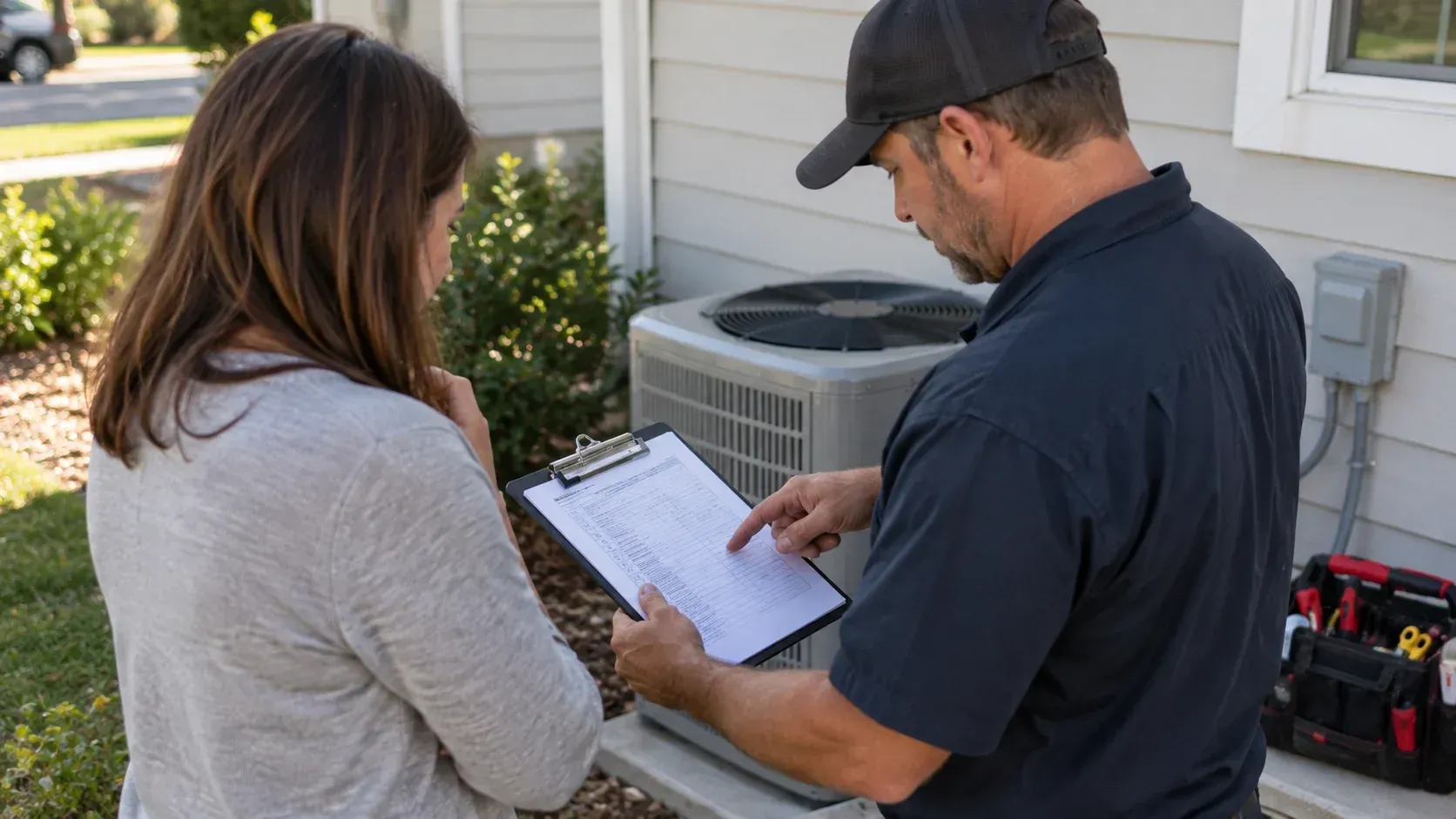
One of the first and most important questions to ask an HVAC contractor is whether they are licensed, certified, and insured. These credentials are a basic but vital indication that the contractor has met state and local requirements for working on HVAC systems and has the technical knowledge to do the job right.
- Licensing:
Licensing ensures the contractor has passed all the necessary exams and understands local building codes and safety regulations. Each state may have different licensing requirements, so it's important to verify that your contractor is licensed in your area. - Certification:
Certifications, such as NATE (North American Technician Excellence) certification, demonstrate that the contractor is proficient in the specific skills required for HVAC work. This includes the latest HVAC technologies, energy-efficient systems, and safety protocols. - Insurance:
Accidents can happen, even with the most experienced contractors. That’s why you want to make sure your HVAC contractor is fully insured, including general liability and workers' compensation. Insurance protects you from any liability if someone is injured on your property or if your home or business is damaged during the project.
Why this matters: Hiring a licensed and certified contractor ensures the work will meet industry standards and local codes. Choosing an insured contractor protects you financially if something goes wrong.
Example: If you hire a commercial HVAC contractor for your business and they aren’t insured, you could be held liable for any damage that occurs during the installation or repair process. On the other hand, an insured contractor will cover any unexpected damages.
How Much Experience Do You Have with My Specific System?
Not all HVAC systems are the same, and some systems may require specialized knowledge. It's essential to ask potential contractors how much experience they have working with the specific system you own or are planning to install. Whether you're dealing with a residential or commercial HVAC system, a contractor who is familiar with your unit’s make and model can more accurately diagnose problems and provide efficient solutions.
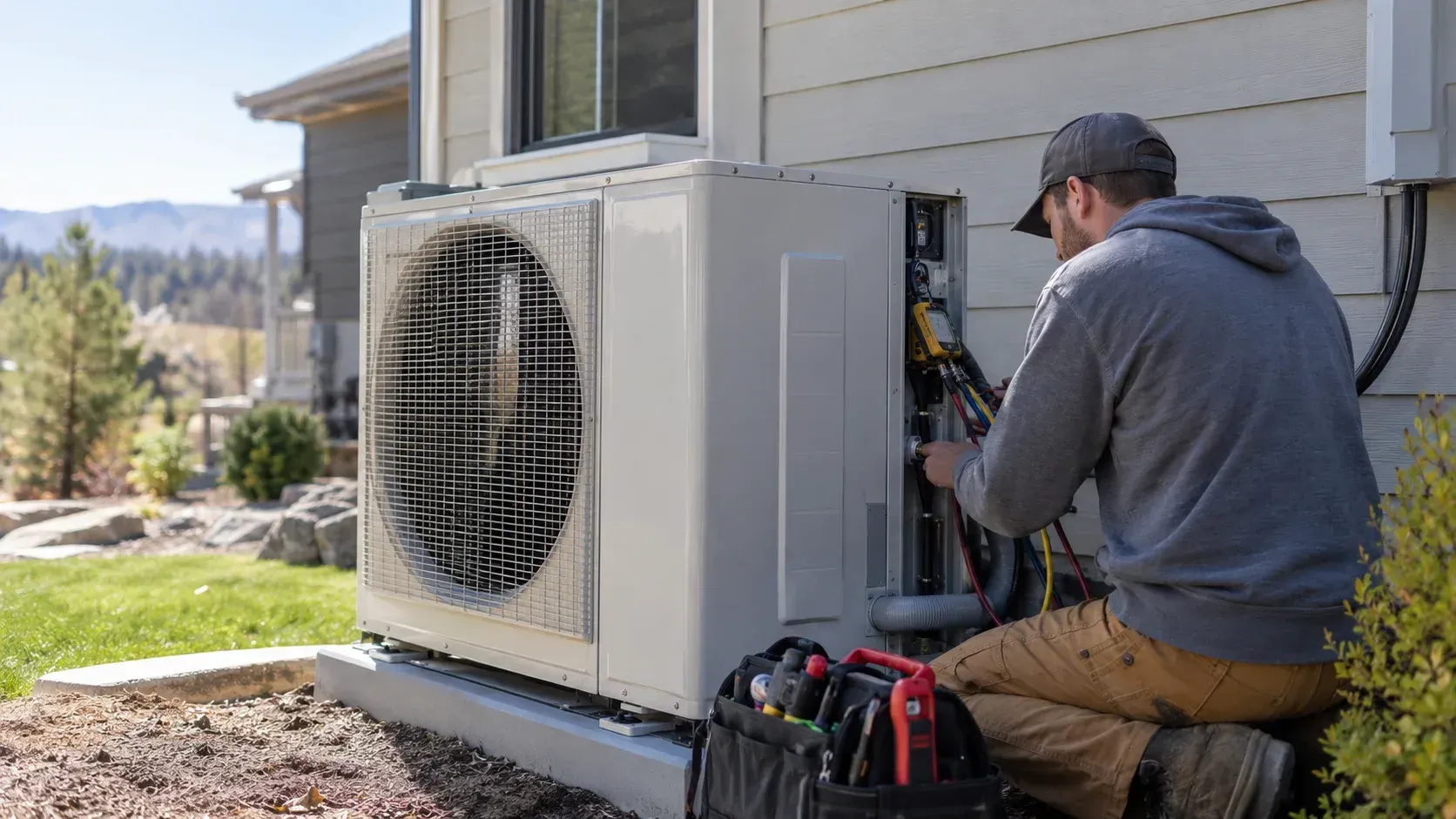
If you're hiring a contractor for your home, you might have a central air conditioning system, a heat pump, or even a ductless mini-split system. Should I use a HVAC service contractor for air conditioning maintenance and repairs? Absolutely. These systems require a deep understanding of their mechanics, and even minor mistakes can reduce the system's efficiency and lead to higher energy bills.
For businesses, the complexity of commercial HVAC systems—which are larger, more intricate, and more energy-intensive—requires a contractor with expertise in this area. An experienced commercial HVAC contractor will be able to manage everything from zoning issues to energy efficiency in a larger space.
Why this matters: A contractor experienced with your specific HVAC system can troubleshoot and repair issues more quickly and with fewer mistakes.
Inexperienced contractors may struggle with newer or more complex systems, which could lead to longer repair times and higher costs.
Example: If you own a business and need repairs for a large rooftop unit, hiring a commercial HVAC contractor with expertise in these systems ensures the job will be done correctly and efficiently, minimizing downtime.
Do You Offer a Maintenance Plan?
Regular maintenance is the best way to keep your HVAC system running smoothly year-round and to prevent costly repairs or replacements down the road. When hiring an HVAC contractor, ask if they offer a maintenance plan that includes regular inspections, tune-ups, and cleanings.
A well-designed maintenance plan not only extends the life of your system but also helps improve energy efficiency, which can lead to significant savings on your utility bills. Maintenance plans typically cover both heating and cooling systems, ensuring your HVAC system performs at peak levels throughout the year.
Why this matters: Energy Efficiency: A well-maintained system uses less energy to heat or cool your home or business, saving you money on energy bills.
- Preventative Care:
Regular inspections catch small issues before they turn into major, expensive repairs. - Extended Lifespan:
An HVAC system that receives regular care and maintenance will last longer and perform better.
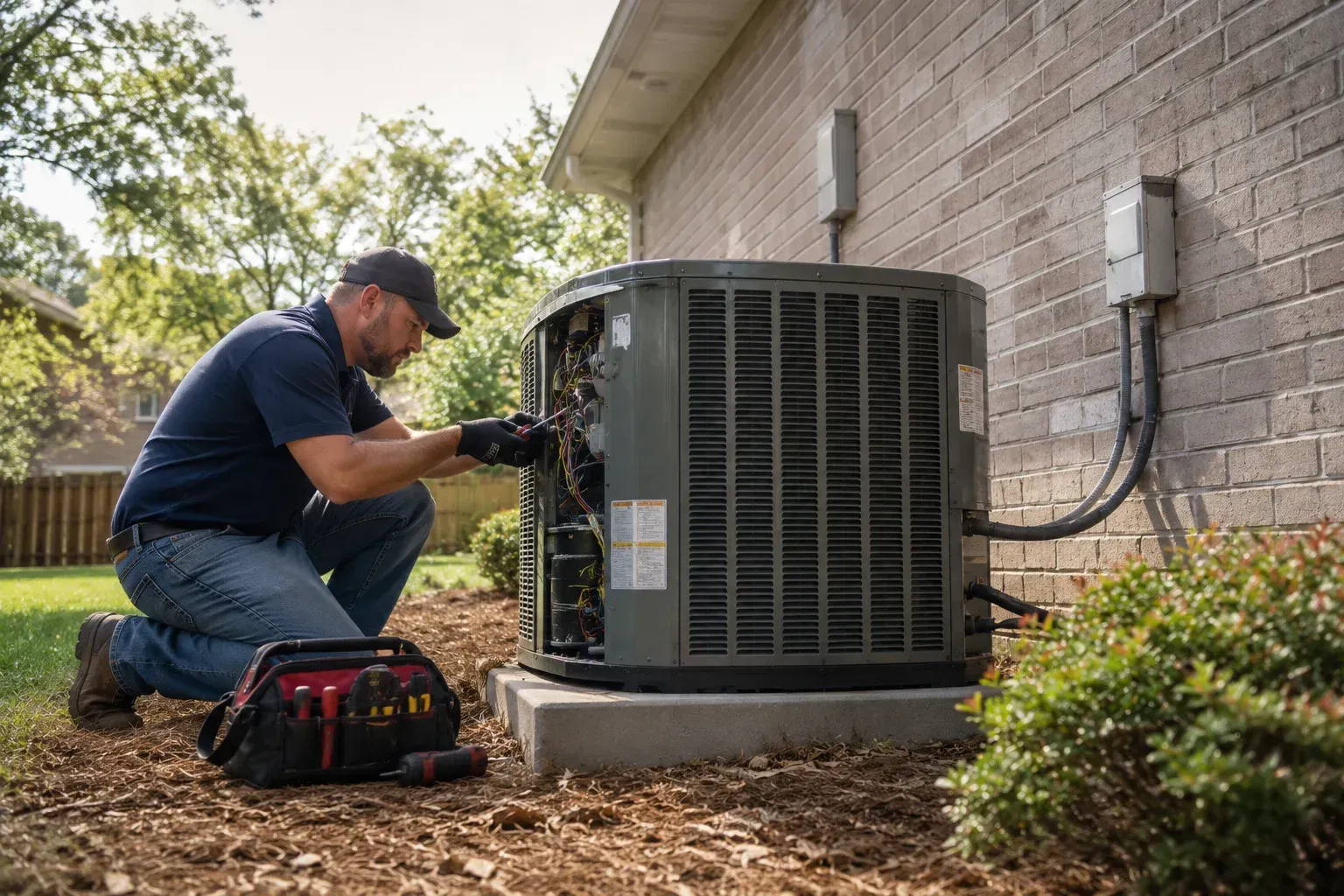
Example: If you sign up for a maintenance plan with a reputable HVAC contractor, they might include annual or biannual inspections that cover important tasks such as cleaning coils, checking refrigerant levels, inspecting electrical connections, and ensuring the thermostat is working properly. This proactive approach ensures that your HVAC system operates efficiently for as long as possible.
What Guarantees or Warranties Do You Provide?
A trustworthy HVAC contractor will always stand behind their work. That’s why it's essential to ask about any warranties or guarantees they offer. A workmanship guarantee ensures that if something goes wrong with the installation or repair, the contractor will return and fix it without charging you extra. Additionally, many HVAC systems come with manufacturer warranties on parts, but it’s important to know if the contractor provides a warranty on labor as well.
- Workmanship Guarantee:
This is a promise from the contractor that the job will be done to your satisfaction. If there’s a problem with the installation or repair, they will address it without extra cost. - Manufacturer Warranties:
HVAC systems often come with warranties on parts, which can last anywhere from a few years to over a decade. However, it's crucial to check whether the contractor offers a warranty on labor, so you won’t be stuck with unexpected costs.
Why this matters: Guarantees and warranties provide peace of mind that you're protected in case of future issues with your system.
They show that the contractor is confident in the quality of their work and willing to stand behind it.
Example: If you hire an HVAC contractor to install a new air conditioning unit, and it stops working a month later, you’ll want to make sure the contractor will come back to fix the issue under warranty, rather than charging you for a second visit.
Should I Use a HVAC Service Contractor for Air Conditioning?
You may be wondering, should I use a HVAC service contractor for air conditioning repairs or installations, or can I handle it myself? While it might be tempting to save money by taking the DIY route, air conditioning systems are complex and require a professional’s touch to ensure they operate efficiently and safely.
By hiring a certified HVAC contractor, you are ensuring that your air conditioning system is installed or repaired according to the manufacturer’s specifications and local building codes. Not only does this help the system perform more efficiently, but it also protects any warranties that may be in place.
Why this matters:
- Proper Installation:
Poor installation can reduce the efficiency of your air conditioner, leading to higher energy bills and shorter system lifespan. - Safety Concerns:
Air conditioning systems involve electrical components and refrigerants, which can be dangerous to handle without proper training. - Warranty Protection:
Many HVAC manufacturers require professional installation and maintenance to keep warranties valid.
Example: A professional HVAC service contractor will have the knowledge and tools to properly size and install your air conditioning system. Incorrect sizing can lead to an overworked unit that doesn’t cool your home efficiently, while a properly installed unit will perform at optimal levels for years.
Conclusion
Choosing the right HVAC contractor is a crucial decision that can impact the comfort, efficiency, and safety of your home or business for years to come. By asking the five questions outlined above, you can ensure that you’re hiring a contractor who is licensed, experienced, and capable of delivering high-quality service.
Whether you're dealing with a residential air conditioning system or a complex commercial HVAC installation, these questions will help you make an informed decision. Remember to take the time to research, compare contractors, and ask for detailed estimates before making your choice. The right HVAC contractor will not only fix your immediate issues but also ensure your system runs smoothly and efficiently for years to come.
For reliable HVAC services, contact us today at
(256) 572-9630 or visit
Silas Heating & Cooling. We're here to help with all your heating and cooling needs, from maintenance plans to new installations.
Related Posts